![Top 13 Skin Care Manufacturers in 2025 [+Guide]](https://www.spypharma.com/uploads/blog/top-13-skin-care-manufacturers.jpg)
| Rank | Name | Country | Services |
|---|---|---|---|
| 1 | Spy Pharma | 🇹🇷 | Private Label, Custom Manufacturing, Brand Development, Product Design |
| 2 | Dynamic Blending | 🇺🇸 | Private Label, Custom Manufacturing, Brand Development, Product Design |
| 3 | Garcoa | 🇺🇸 | Private Label, Custom Manufacturing, Brand Development |
| 4 | Prime Matters Labs | 🇺🇸 | Private Label, Custom Manufacturing |
| 5 | Vitelle Labs | 🇺🇸 | Private Label, Custom Manufacturing |
| 6 | Trilogy Laboratories | 🇺🇸 | Private Label, Custom Manufacturing |
| 7 | HSA Cosmetics | 🇮🇹 | Private Label |
| 8 | Bo International | 🇮🇳 | Private Label, Custom Manufacturing |
| 9 | Lady Burd | 🇺🇸 | Private Label |
| 10 | Evora Worldwide | 🇺🇸 | Custom Manufacturing |
| 11 | Elvis Elvin Labs | 🇺🇸 | Custom Manufacturing |
| 12 | SeaCliff Beauty | 🇺🇸 | Custom Manufacturing |
| 13 | PakLab | 🇺🇸 | Custom Manufacturing |
1. Spy Pharma
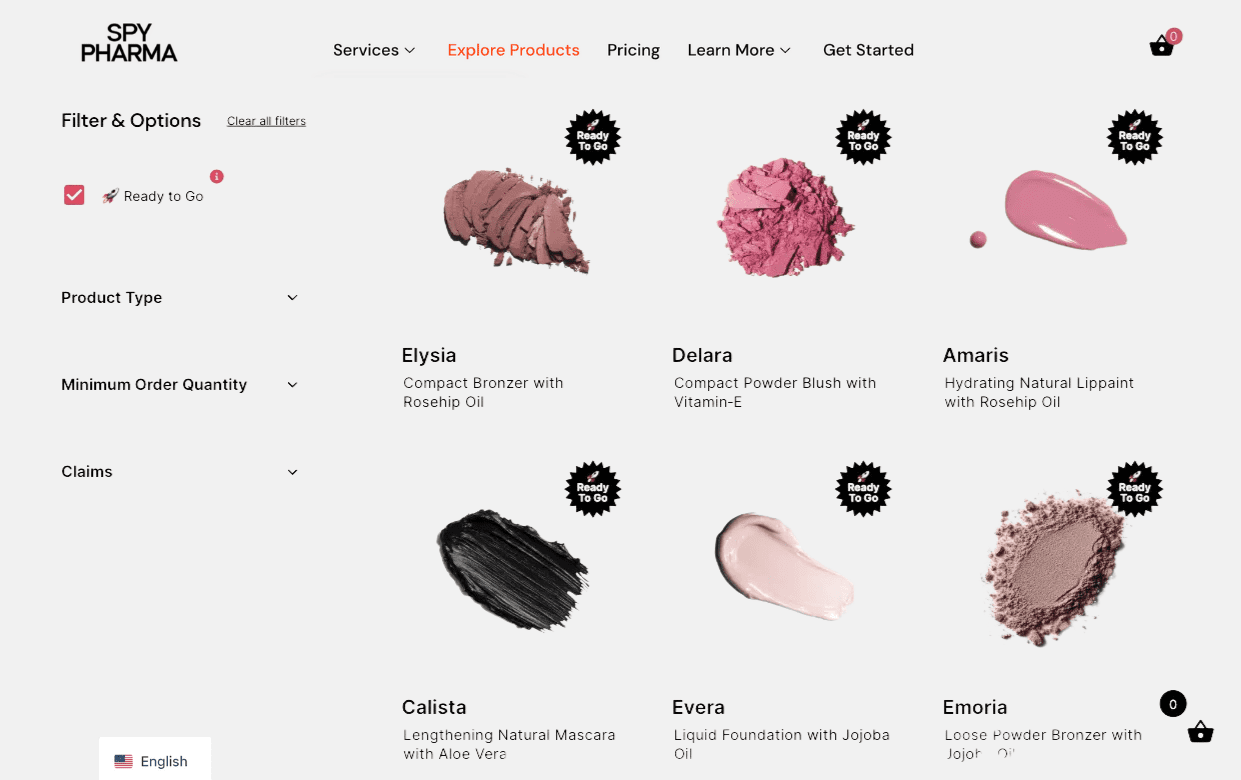
At Spy Pharma, based in Türkiye, we produce high-quality cosmetics. Our comprehensive service includes everything you don’t get from most cosmetic manufacturers.
Prompt and uncomplicated communication with a personal contact, efficient and modern processes for shorter lead times, first-class brand development and product design, full service for certifications and notification of products as well as door-to-door delivery.
Here you can check out all our private label skincare formulations.
2. Dynamic Blending
Dynamic Blending is a global cosmetic manufacturing company that provides innovative manufacturing solutions, specializing in turnkey contract manufacturing of cosmetics, personal care, and skincare products among others. Established in 2015.
3. Garcoa
Garcoa is a woman-owned private label manufacturer specializing in personal care. Clients can select from a wide range of formulations for face and body products. While the company has been around since 1983, Garcoa stands out among skincare manufacturers for offering modern turnkey solutions that include branding and packaging.
4. Prime Matters Labs
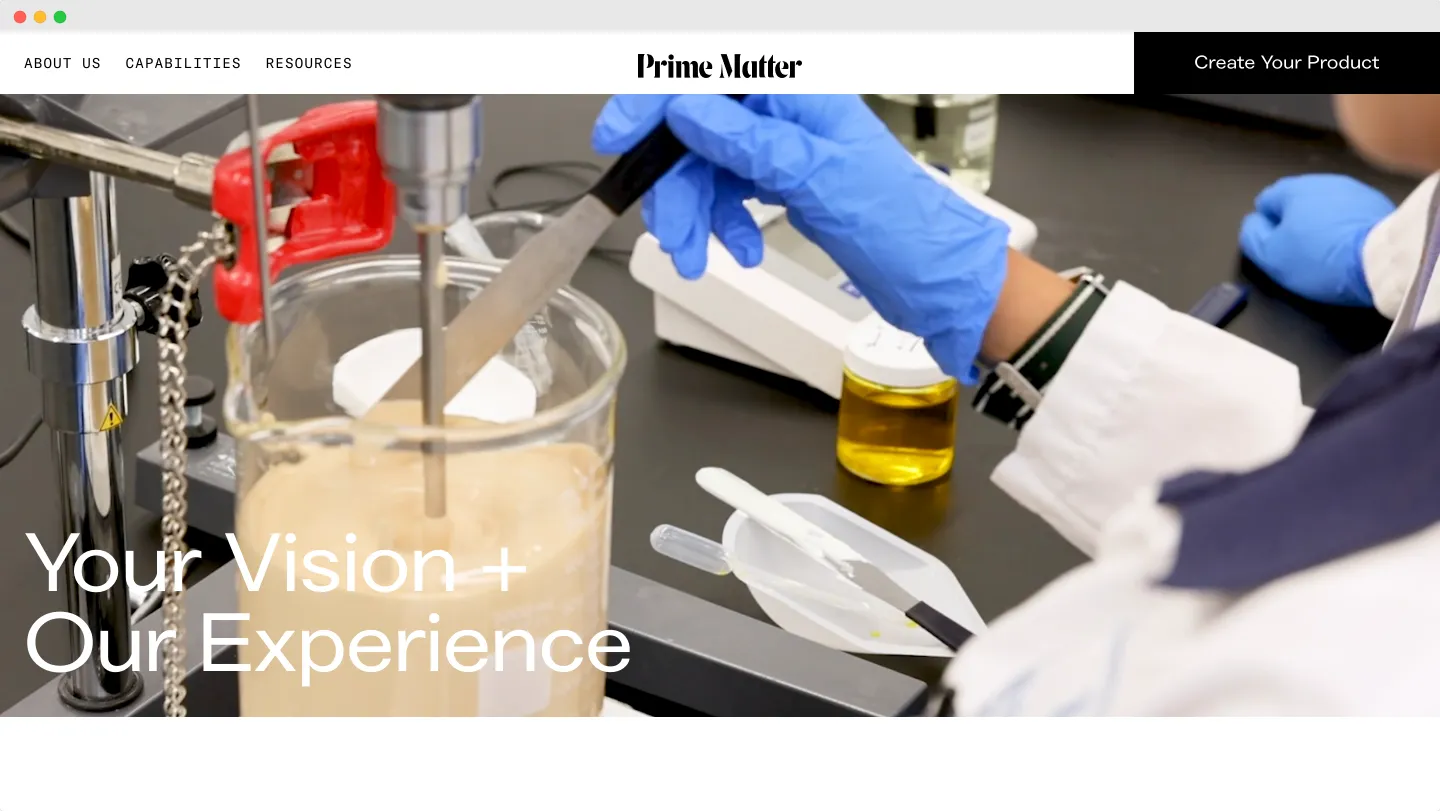
Prime Matter Labs is a contract manufacturer with 40 years of experience working with award-winning brands in the world of skin, hair, and body products. Prime Matters Labs is also capable of developing SPF products.
This firm works with brands of all sizes seeking custom development that ranges from new product formulation to “fixes” for subpar products.
Their private label products are starting from 1000+ units and custom development from 5000+ units.
5. Vitelle Labs
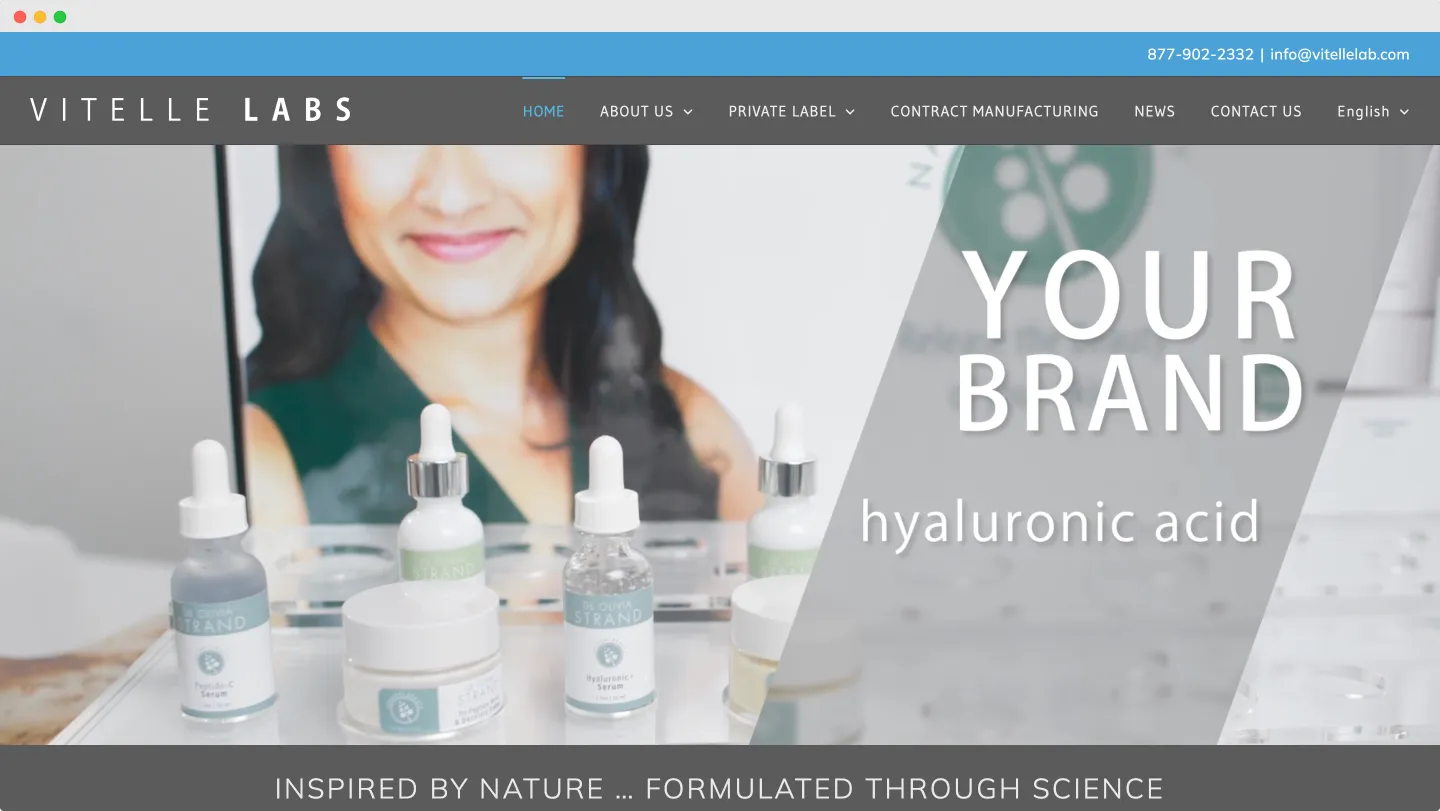
Vitelle Labs caters to day and resort spas, medical spas, and eco spa markets, with a focus on natural, plant-derived formulations enhanced with modern cosmeceuticals.
6. Trilogy Laboratories
Trilogy Laboratories specializes in crafting skincare products including anti-aging creams, post-treatment products, and mineral makeup for global clients.
Besides offering their own branded products, they extend custom manufacturing and a well-rounded private labeling program, assisting with label design and packaging
7. HSA Cosmetics
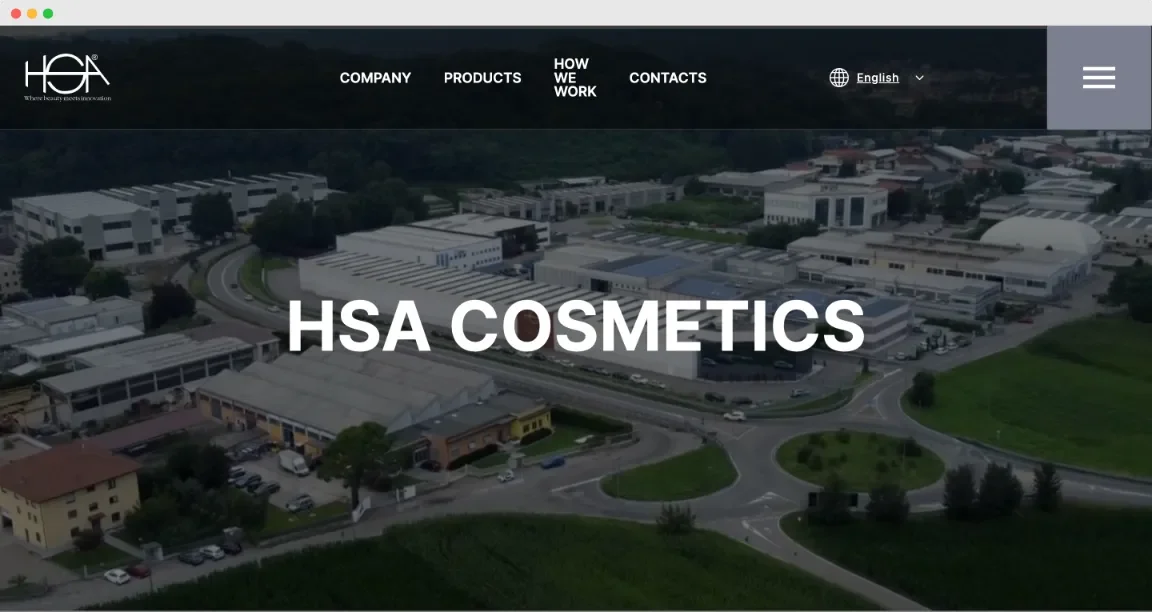
HSA Cosmetics is an italien private label skincare manufacturer known for its own brands like Nouvelle or Silky.
Their private label products are appreciated by professionals and customers around the globe.
8. Bo International
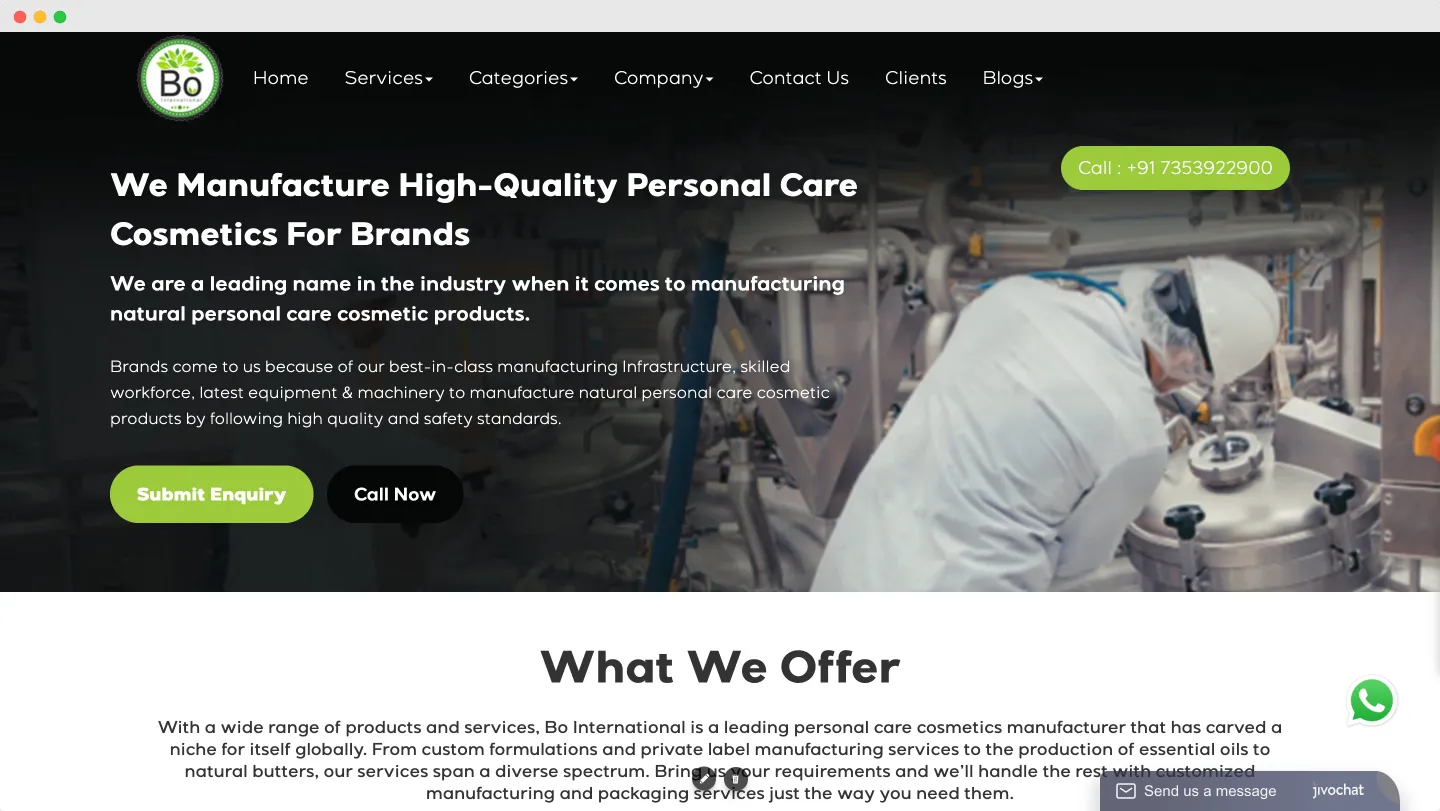
Bo International is specializes in private label manufacturing of personal care & skin care products. They are based in India but with an ISO 22716 certification, they uphold stringent quality and safety standards in their manufacturing practices.
9. Lady Burd
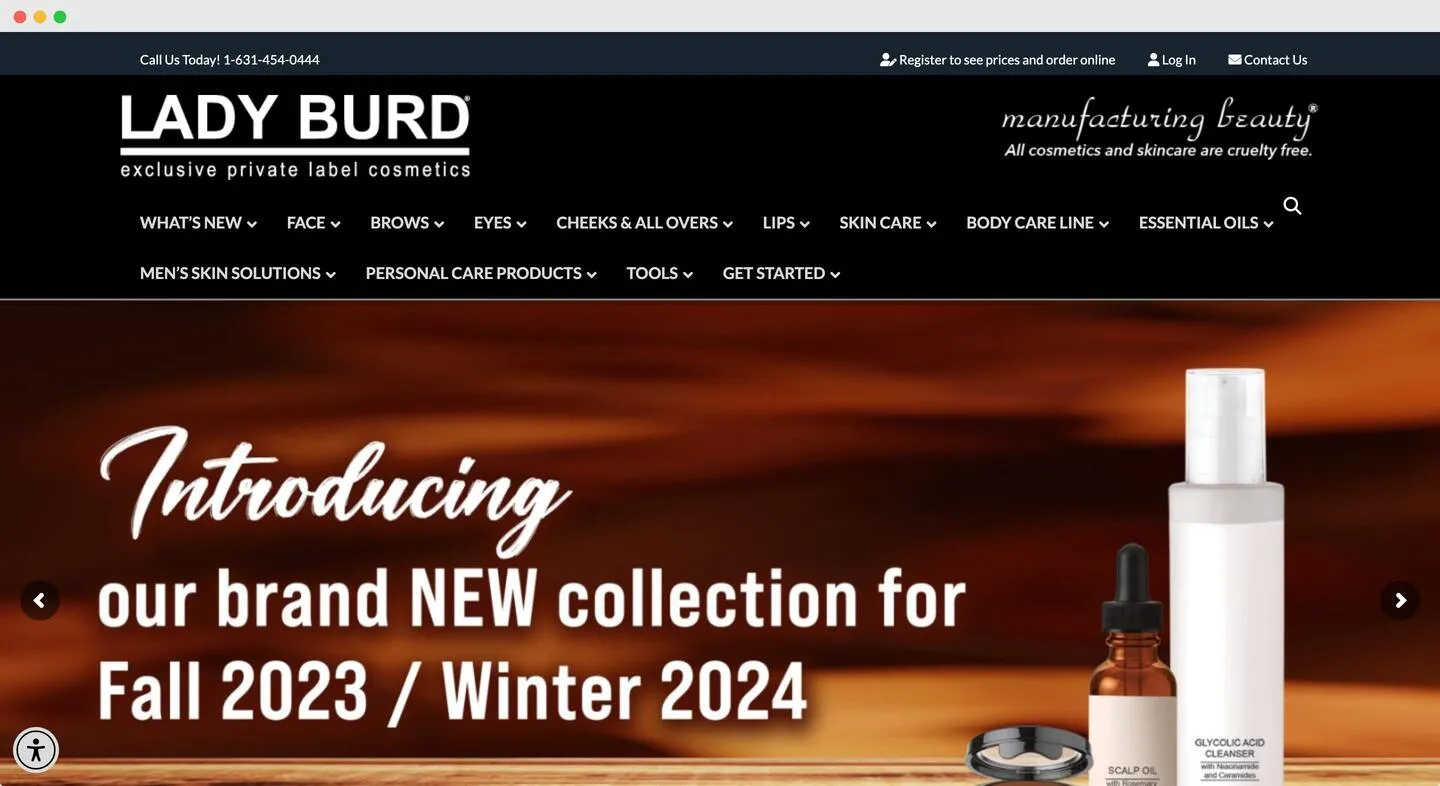
Lady Burd, founded by Roberta Burd, has been in the cosmetics business for over 50 years. They specialize in private label for a wide range of beauty products, not only skin care.
All of their products are cruelty-free and manufactured with Good Manufacturing Procedure (GMP).
10. Evora Worldwide
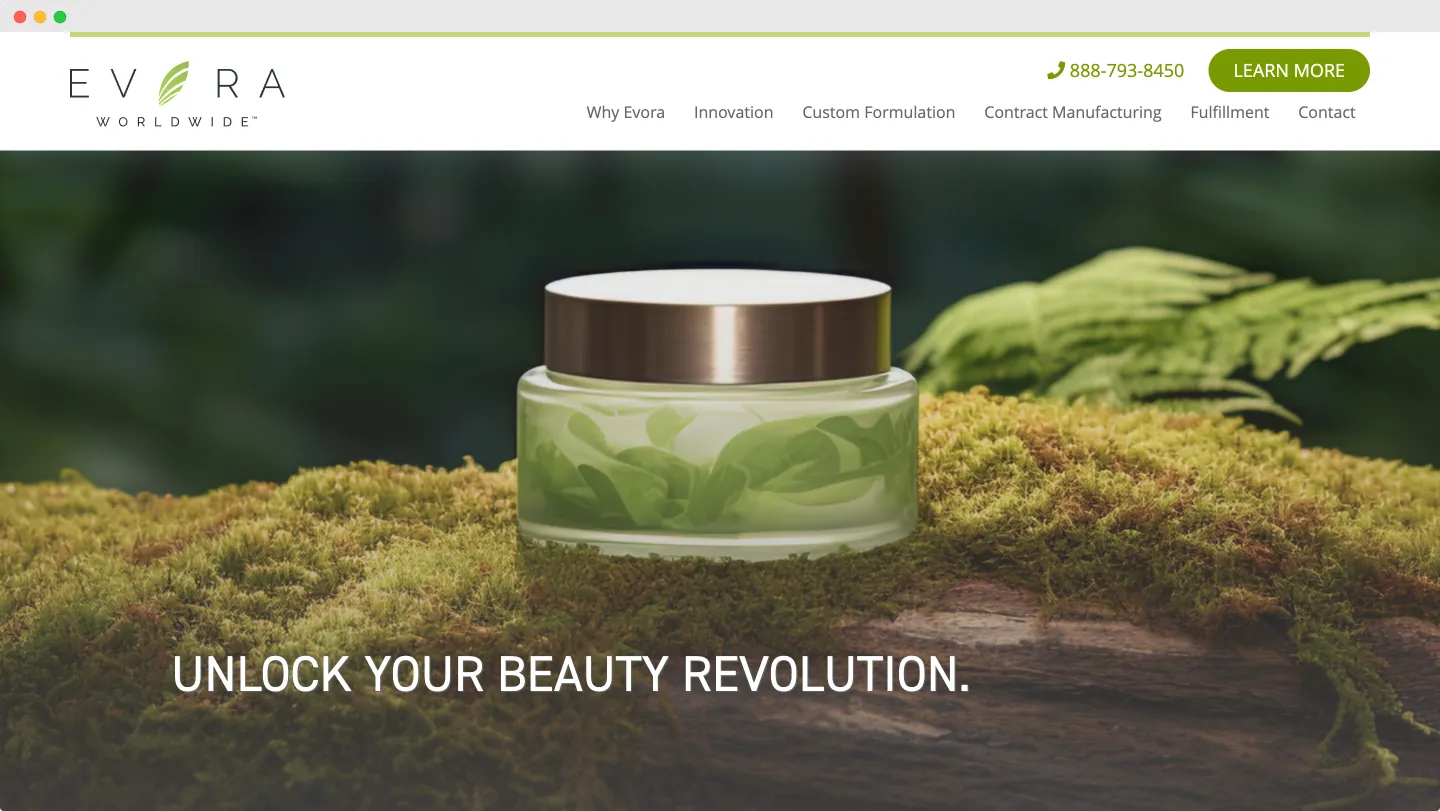
Evora Worldwide’s US-based contract manufacturing and fulfillment facilities adhere to the highest industry standards, being FDA Registered, UL Certified, ISO 22716:2007 Certified, and cGMP Certified.
They are a good choice for anyone who plans to order larger quantities and wants to stick with skin care only, since they only produce skin care.
11. Elvis Elvin Labs
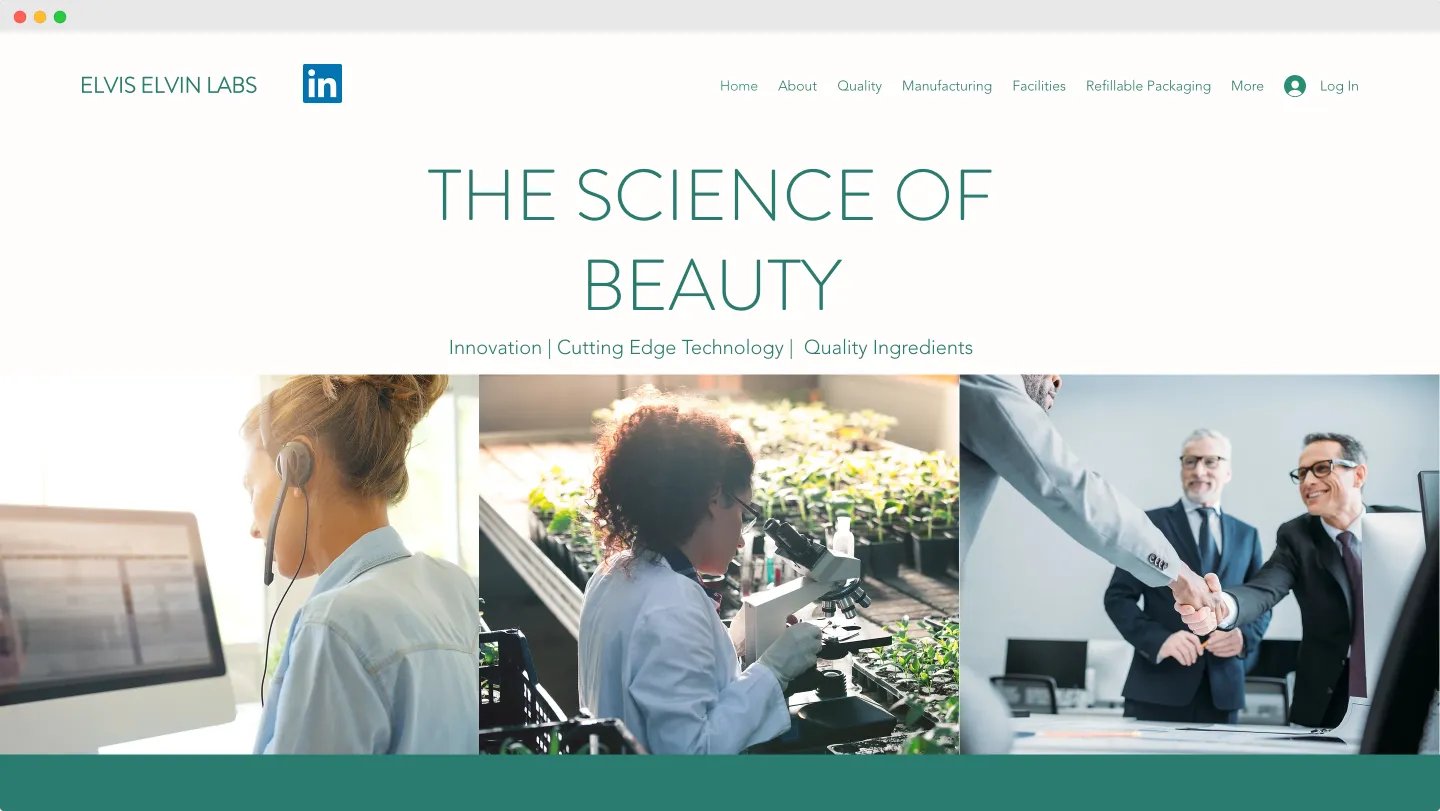
Elvis Elvin Labs is a contract manufacturer specializing in skincare and color cosmetics, especially natural, green, and organic formulations.
They are known for aiding small business brands to start their beauty ventures with low minimum batch requirements.
12. SeaCliff Beauty
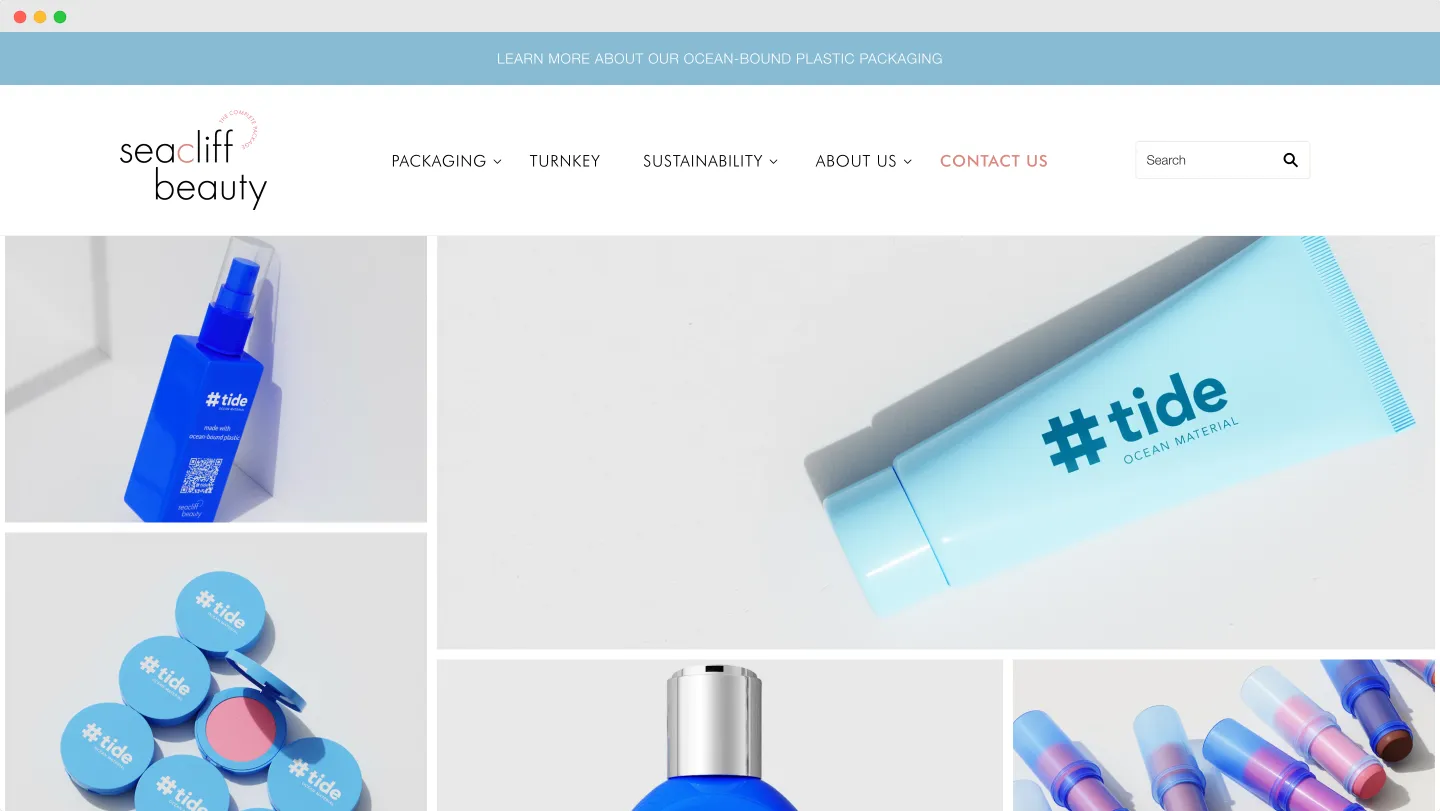
SeaCliff Beauty offers a vast range of skin products that includes acne products, sunscreens, lotions, and anti-aging creams. They also make it possible to create vegan, clean, organic, and plant-based products. This manufacturer provides packaging solutions for brand like Drunk Elephant.
The reason why this manufacturer is in 12th spot on this list, is because their minimum order quantity is 25.000 units per SKU. So most likely not the right choice for beginners.
13. PakLab
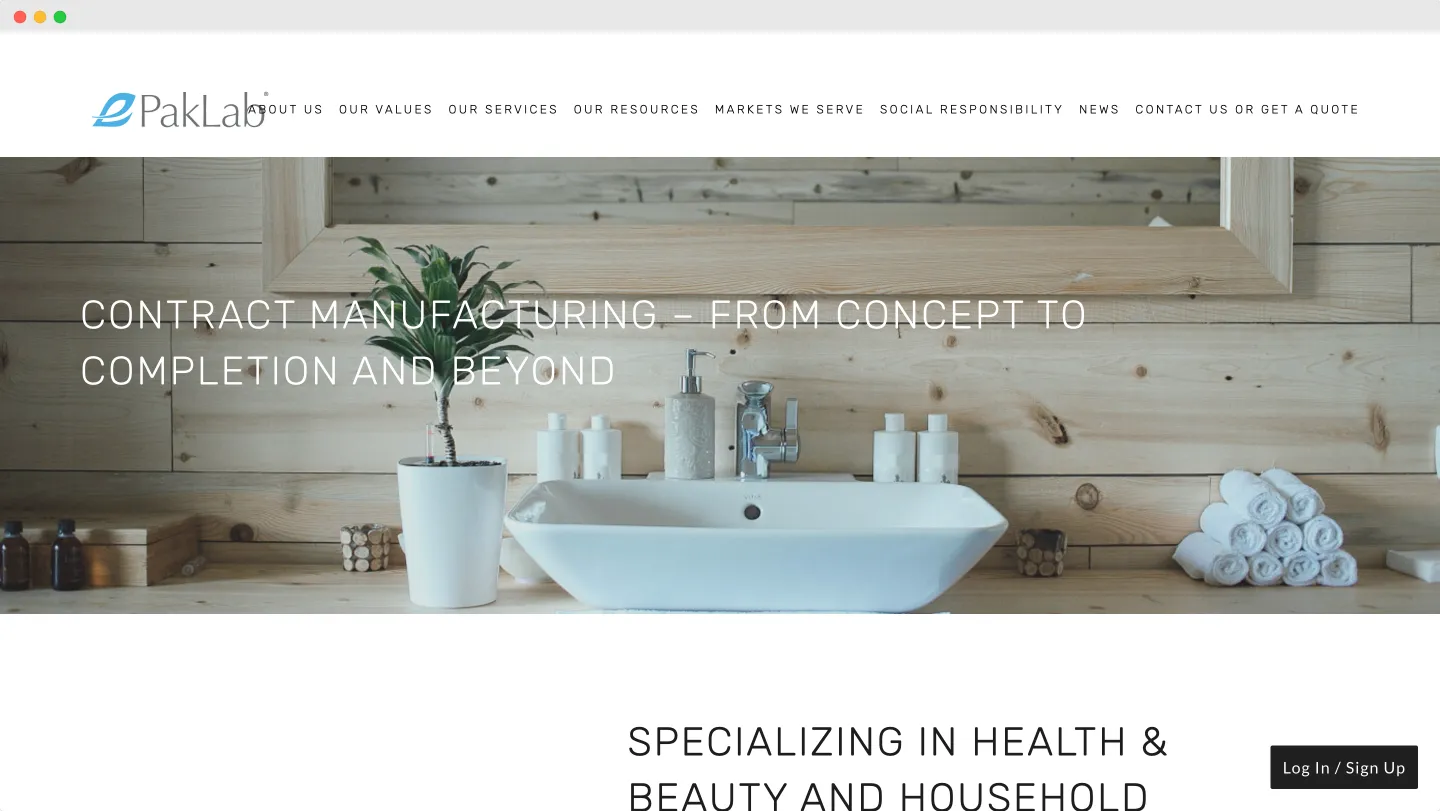
PakLab’s team of chemical engineers, chemists, microbiologists, lab technicians, packaging specialists, and brand experts provides a full range of manufacturing and creative services. While the company actually makes everything from household cleaners to toothpaste, PakLab offers formulation options for creams, lotions, and cosmeceuticals.
Guide
The skincare market is valued at $146 billion.
With experts projecting this market to experience a compound annual growth rate (CAGR) of 6.7% from 2022 to 2031, its value is expected to reach $273 billion within the next decade.
Skin care is on everyone’s mind!
You don’t have to build a lab before you can build a brand.
The fastest and easiest way to launch a skincare product or lineup is to utilize a third-party skin care manufacturer.
Third-party skin care manufacturers create nearly all of the products you see for sale today.
In this post, we’ll cover everything you need to know about skin care manufacturing before revealing the top 13 skin care manufacturers creating products for brands today!
What are Skin Care Manufacturers
Skin care manufacturers are cosmetic manufacturers specialized in skin care products.
But what is “Skin care”?
The term “Skin care” refers to practices intended to support skin’s health and integrity. Skin care is also used to enhance a skin’s appearance.
Skin care can also lean into “therapeutic” territory by providing relief, nourishment, and protection. Even sun protection falls under the umbrella of skin care!
8 Products a Skin Care Manufacturer Produces
Here’s a look at the top 8 most manufactured skin care products:
1. Daily Moisturizers
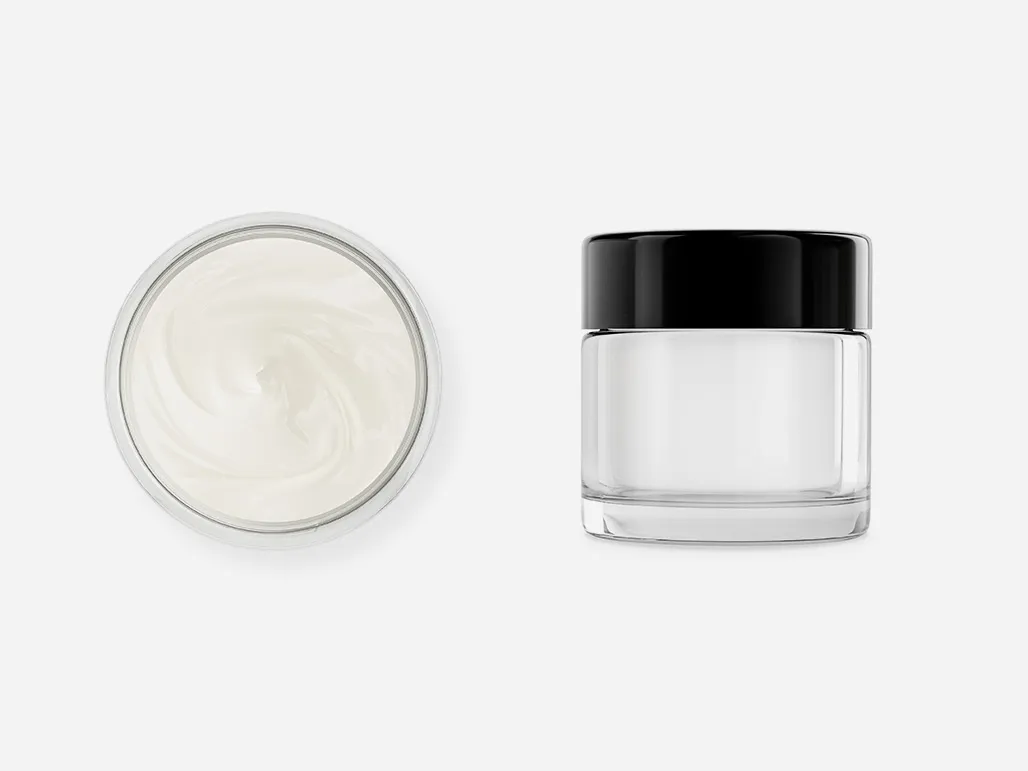
Facial creams help to fortify the skin’s moisture barrier to provide protection against environmental factors, oxidation, moisture loss, and bacteria.
Within this category, skincare manufacturers can produce formulations that are designed to erase wrinkles, provide SPF protection, or even the skin tone.
2. Day and Night Creams
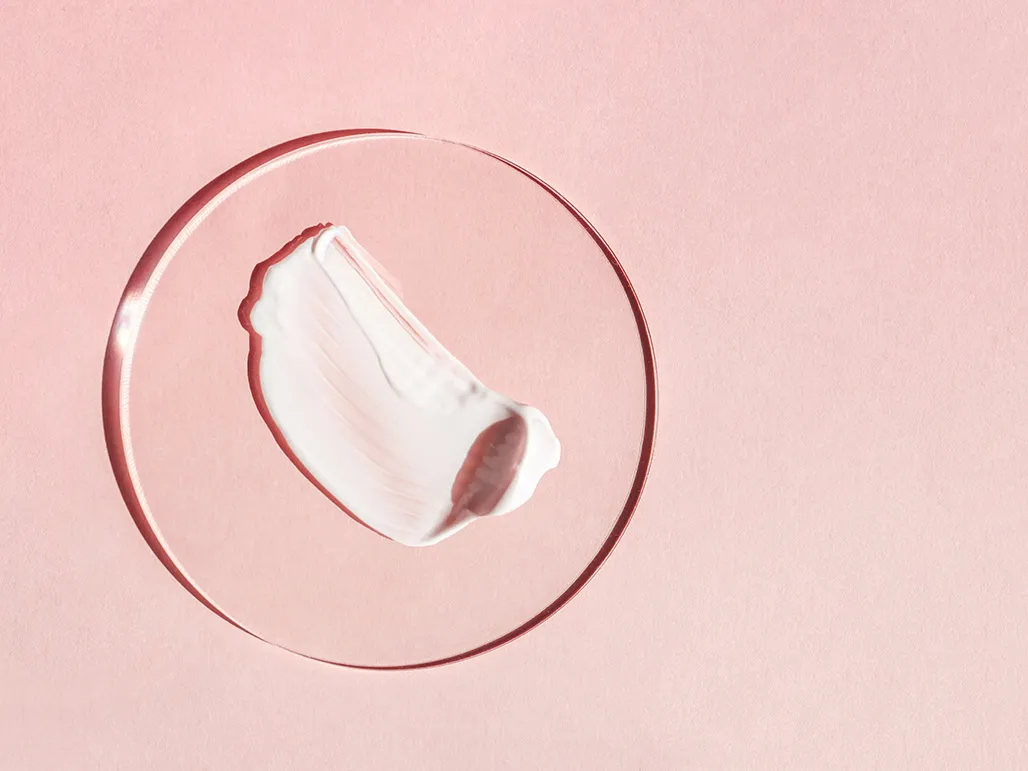
While day and night creams have similar qualities as daily moisturizers, they often feature special nutrients designed to address tired or dry skin.
Most night skin creams feature ingredients that promote cell regeneration to erase the appearance of fine lines and wrinkles.
3. Anti-aging Creams
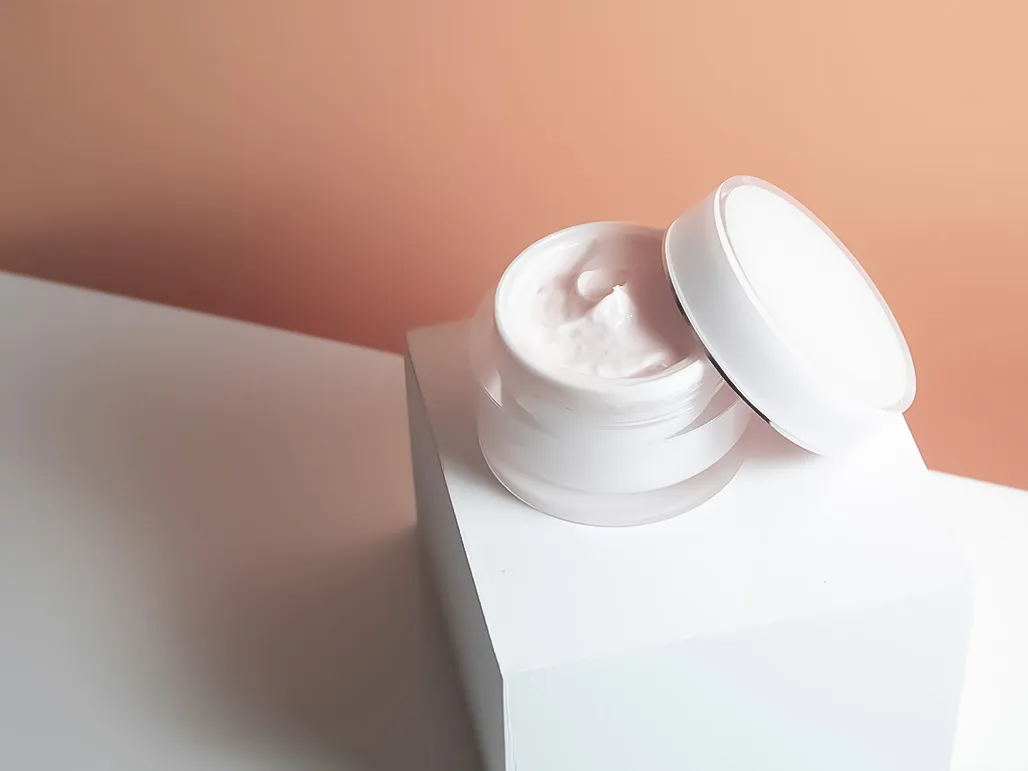
Anti-aging creams often contain intensive formulations consisting of hyaluronic acid, collagen, and other ingredients that are recommended by dermatologists.
4. Facial Scrubs
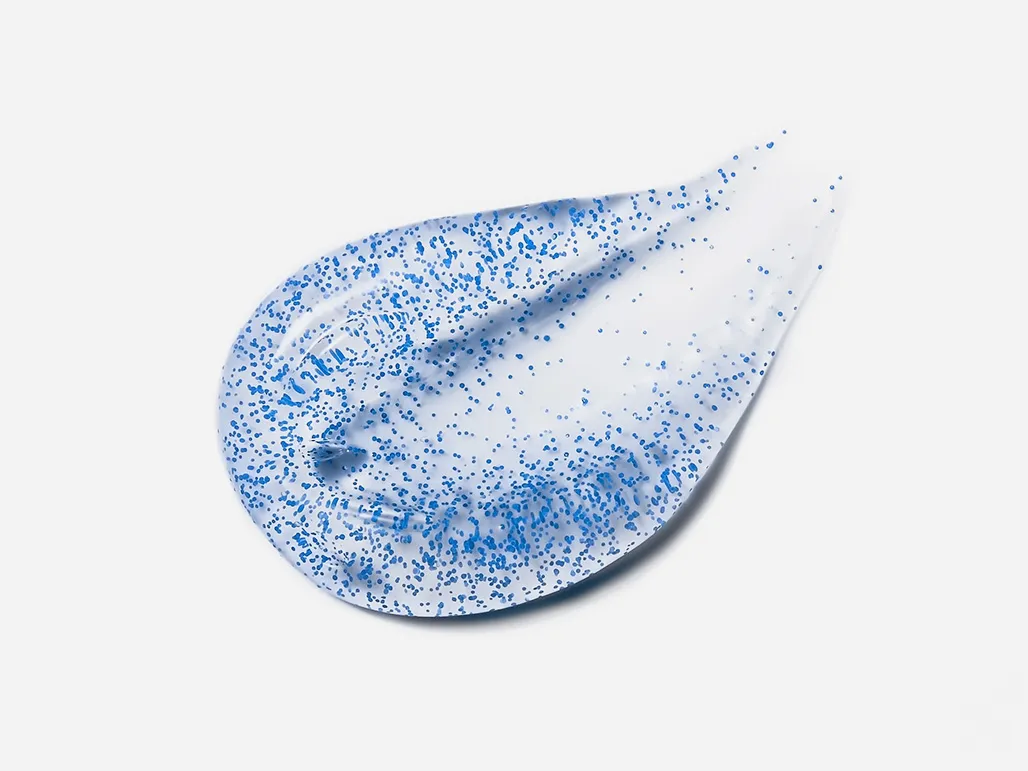
Facial scrubs are used to gently exfoliate the skin order to activate cell turnover that creates fresh, soft “baby” skin.
As scrubs remove excess skin and oils, they help to unclog pores, fight impurities and stimulate blood circulation.
5. Cleansing Gels
Cleansing gels, much like their foam and cream counterparts, are crafted to purify the skin, yet they stand out due to their lightweight texture and deep-cleaning properties.
Gels clean skin without producing a drying effect in order to set the stage for the application of other skincare products.
6. Cleansing Foams
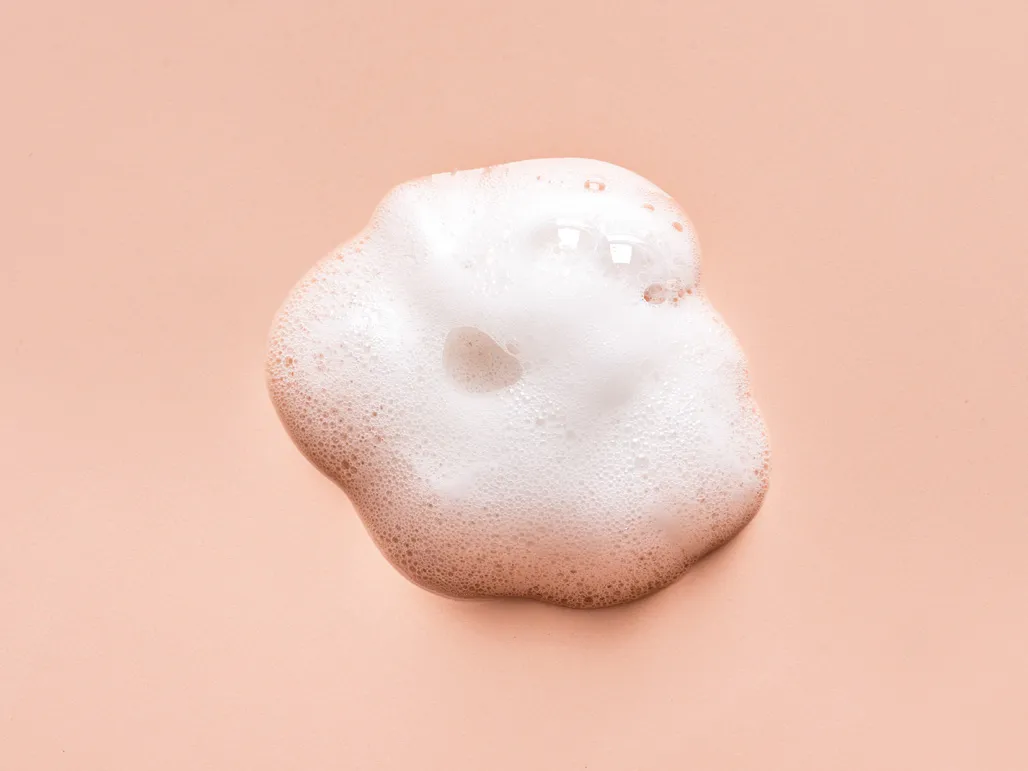
Cleansing foams distinguish themselves with a fluffy, airy texture.
Cleansing foams softens and hydrates skin while removing dead skin cells, sweat, dirt, bacteria, and makeup.
7. Facial Masks
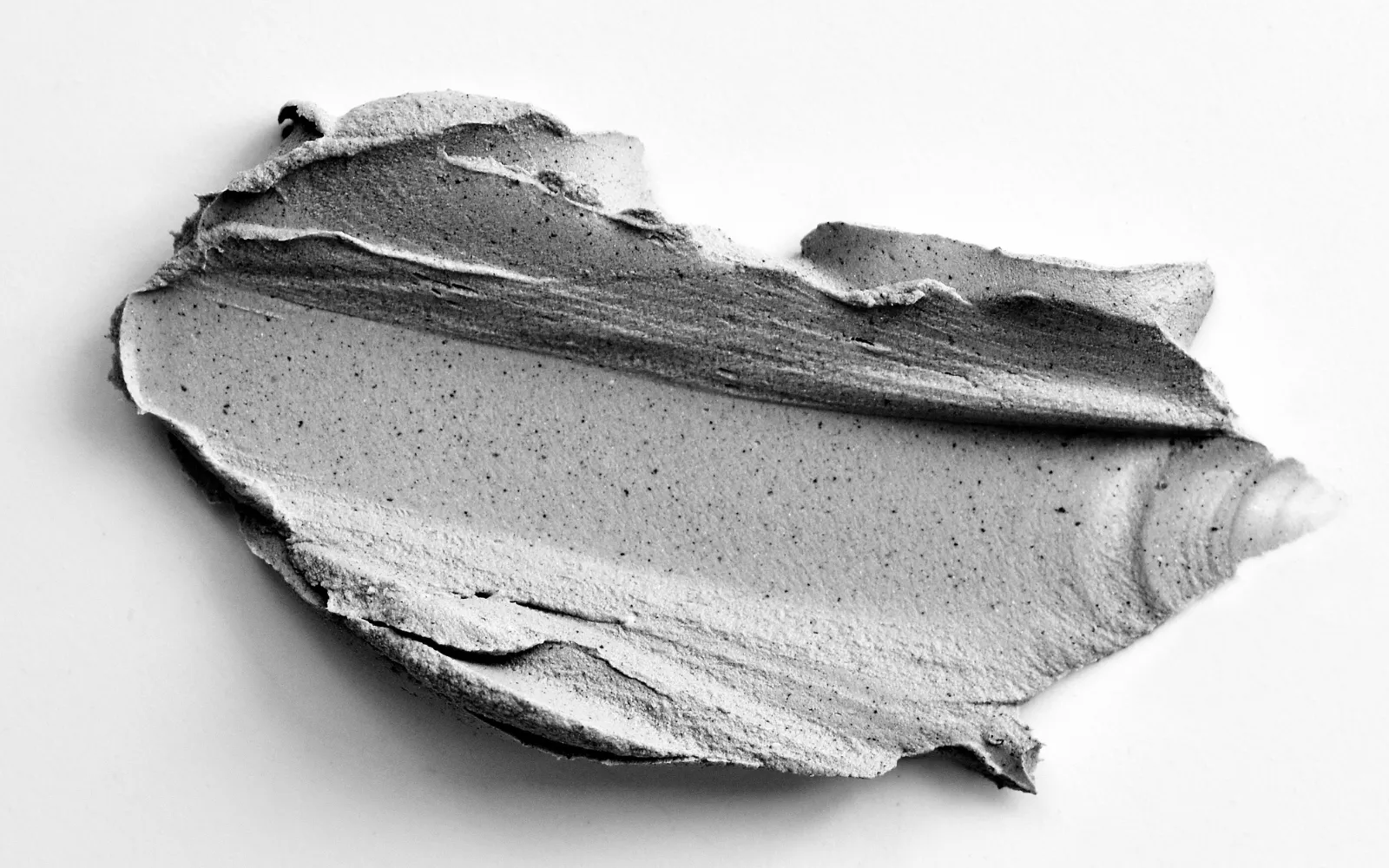
Face masks serve as intensive treatment products designed to deliver concentrated ingredients to the skin.
These masks often feature components that target specific concerns, such as hydration, brightening, or detoxifying, providing a potent boost to complement regular skincare routines.
8. Makeup Removers
These cleansers use emulsions to gently dissolve common cosmetic ingredients without the need for the user to “pull” at the skin.
How to Choose the Right Skincare Manufacturer
The journey to getting a skincare product on the shelves or listed on an online platform begins with the right formulation.
For nearly all new brands, that means working with a trusted skincare manufacturer, since an in-house production is almost impossible to start with.
This guide to selecting a skincare manufacturer sheds some light on the most important details to focus on in your search.
1. Manufacturing Type
Before you can move forward with a formulation, you have to decide on the manufacturing type you’re looking for in a skincare manufacturer.
The three options are:
- white label
- private label
- and custom formulation.
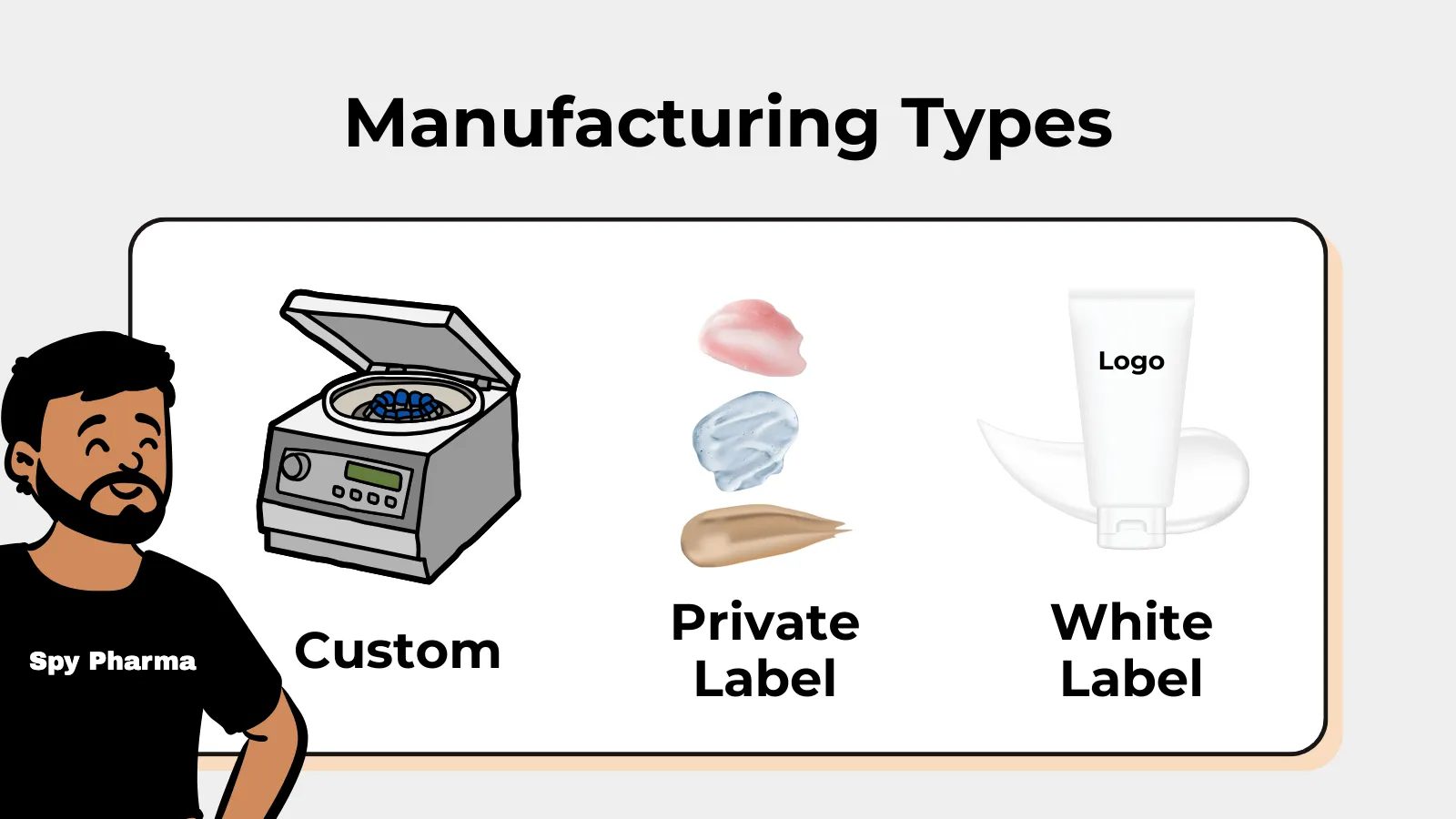
With a white label cosmetics, your brand is placing its label on “generic” products that are also being sold by other brands. While you are able to customize your label, the product itself is not customized in any way.
With a private label cosmetics, a cosmetic manufacturer allows you to choose formulation, packaging, and labeling. However, private-label products aren’t fully customized products because you are basically picking from preset “mix and match” options. This allows you to create a unique product without putting in the time, cost, and research and development needed to create a product from scratch.
For brands that would like to create 100% proprietary products, custom formulation that begins in the lab is necessary. You should consider working with a cosmetic contract manufacturer.
2. Product Range
It’s important to have your brand vision in mind when selecting a skin care manufacturer.
While you may be focused on launching a debut product today, there’s a good chance that you may want to expand your cosmetic line down the line.
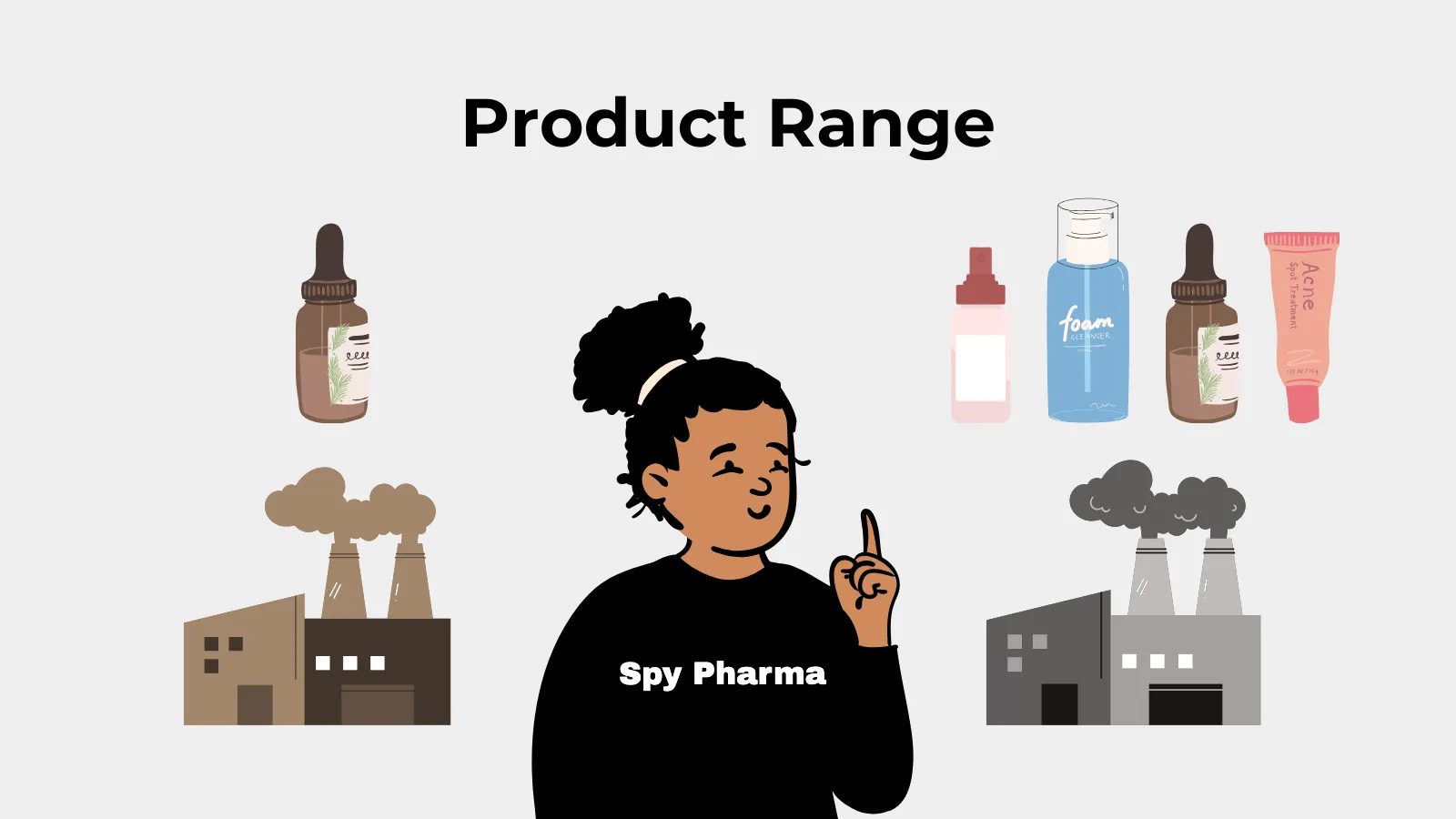
By working with a cosmetic manufacturer that can create a wide range of skin and beauty products (maybe even color cosmetics as well), you can avoid the hassle of migrating operations after you’ve already established a production relationship.
3. Minimum Order Quantity (MOQ) and Unit Price
You need to make sure that a skin care manufacturer is capable of scaling their production to meet your brand’s needs.
Minimum order quantity refers to the minimum number of units that can be produced in a batch.
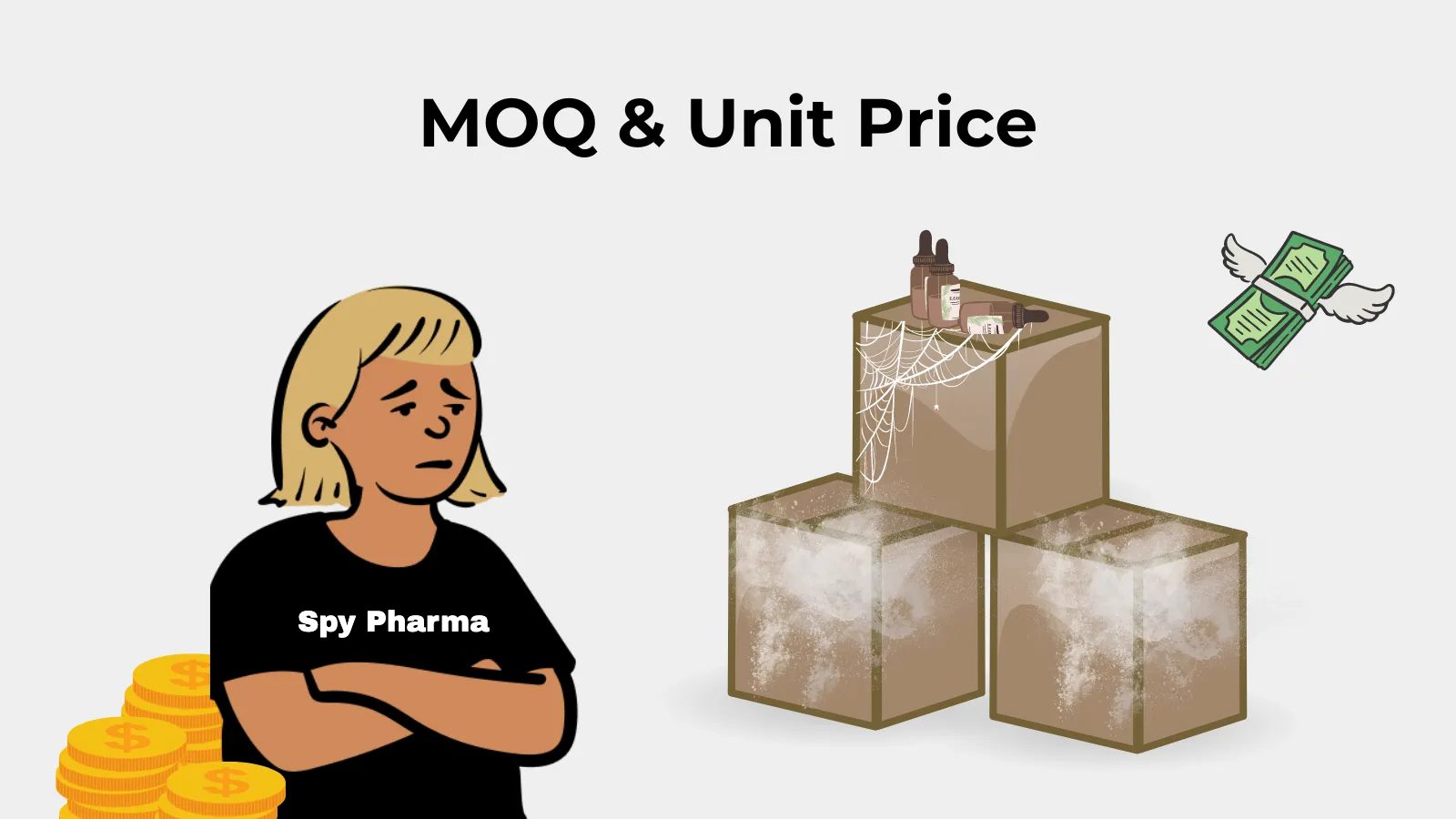
Most skin care manufacturers require clients to order several thousand units because it’s simply not profitable to create just a “handful” of each formulation.
Unit price is also important because it directly impacts your retail price. Consider it a red flag if a skin care manufacturer refuses to provide a written estimate for unit and batch costs.
4. Country of Origin
From a quality-control angle, this is one of the most important questions you can ask a skin care manufacturer.
Some skincare manufacturers try to cut costs by creating their products in places with low wages and lenient safety regulations.
Unfortunately, this means that some unsuspecting brands end up selling inferior products that don’t meet federal and international regulations for ingredient safety and production standards.
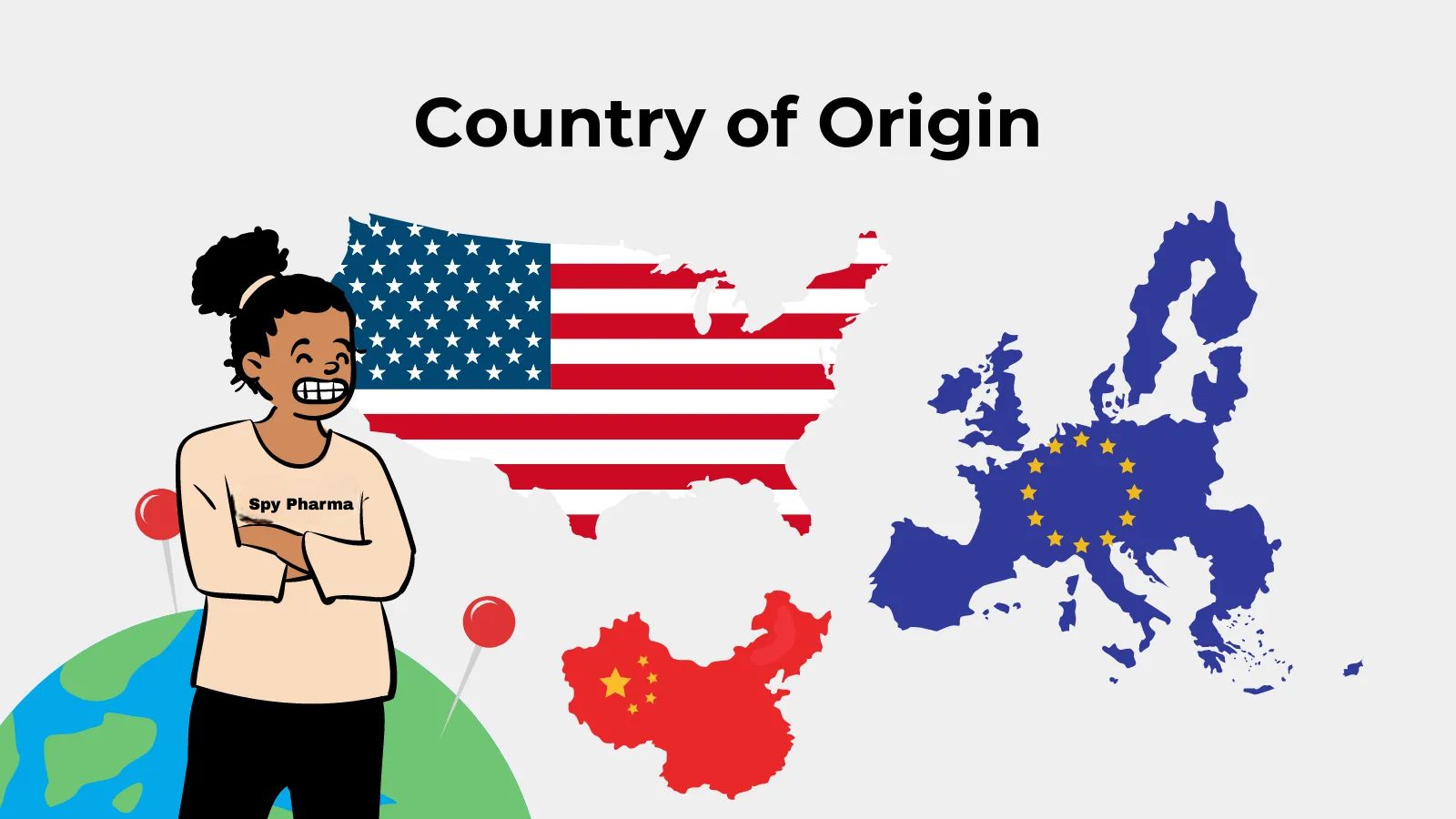
What’s more, these products can also simply disappoint customers.
It’s also important to ask for samples after you’ve agreed on price per unit and MOQ. You never want to commit to manufacturing a batch of a cosmetic product you haven’t been able to hold in your own hands!
5. Extra Services
One of the ways to produce a skincare line that’s as profitable as possible is to leave as much of the work in your skin care manufacturer’s hands as possible.
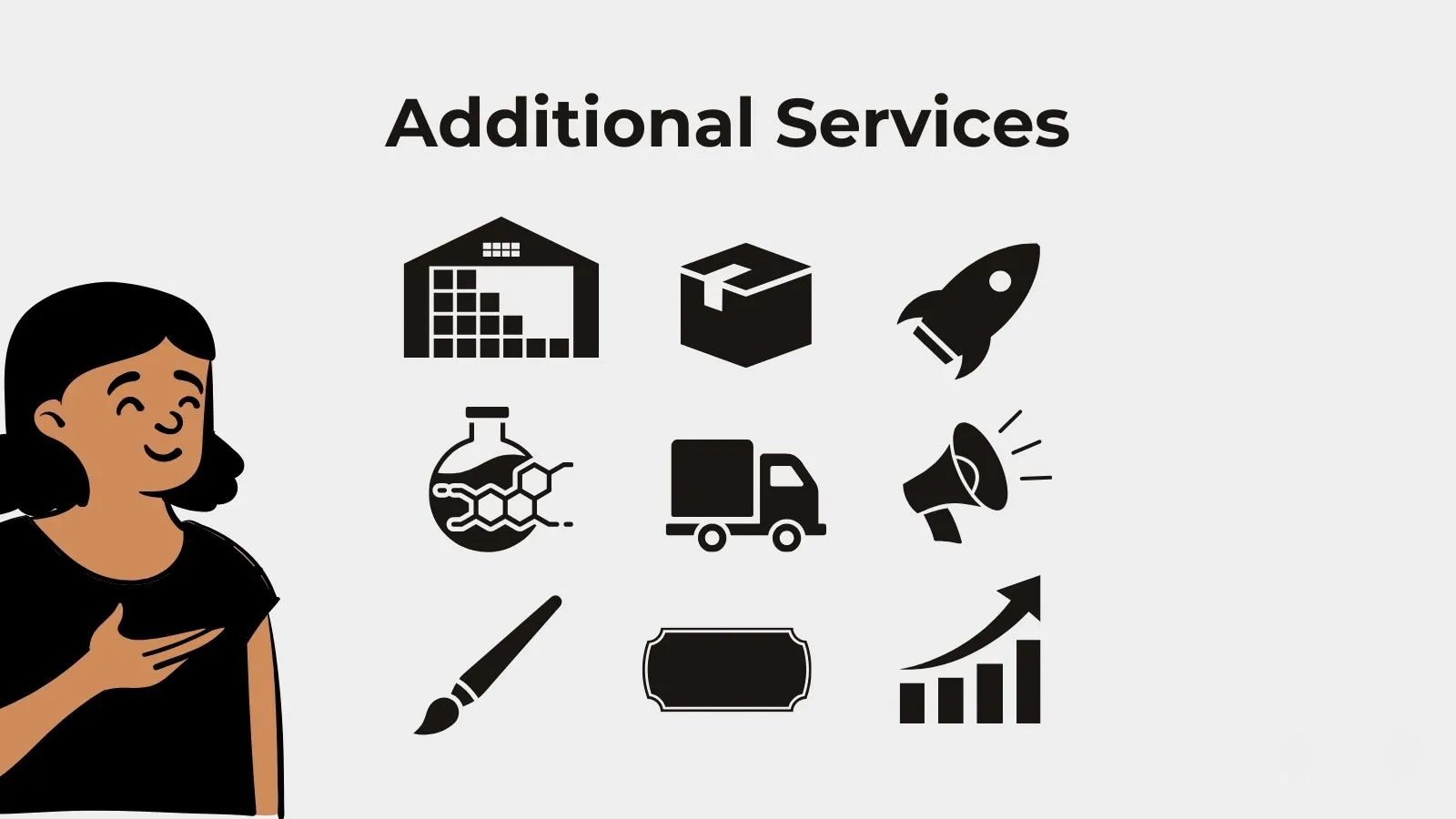
Some skin care manufacturers like us offer all-inclusive packages that handle formulation, bottling, labeling, warehousing, and shipping.
That means that your brand can keep a very small physical footprint!
If you’re starting a new cosmetic brand, working with a skin care manufacturer offering brand development could be helpful. This includes design elements like logo design, graphics, typography & color choices.
And it can even include your brand positioning to help you find your brand “position” and niche market audience.
6. Compliance Support
Make sure you’re paying for products that can actually be sold in your geographic target market.
Both brick-and-mortar retailers and online selling platforms have rigorous requirements for product materials and safety.

This means that even if you sell your products through a Shopify store, you must ensure compliance with local regulations when shipping to any country.
More Useful Guides
![White Label Cosmetics Explained: Pros & Cons in 2025 [+Guide]](https://www.spypharma.com/uploads/blog/white-label-cosmetics-explained.jpg)
White Label Cosmetics Explained: Pros & Cons in 2025 [+Guide]
![Top 17 Cosmetic Manufacturers for Beginners in 2025 [+Guide]](https://www.spypharma.com/uploads/blog/top-17-cosmetics-manufacturers-for-beginnerstop-17-cosmetics-manufacturers-for-beginners.jpg)
Top 17 Cosmetic Manufacturers for Beginners in 2025 [+Guide]
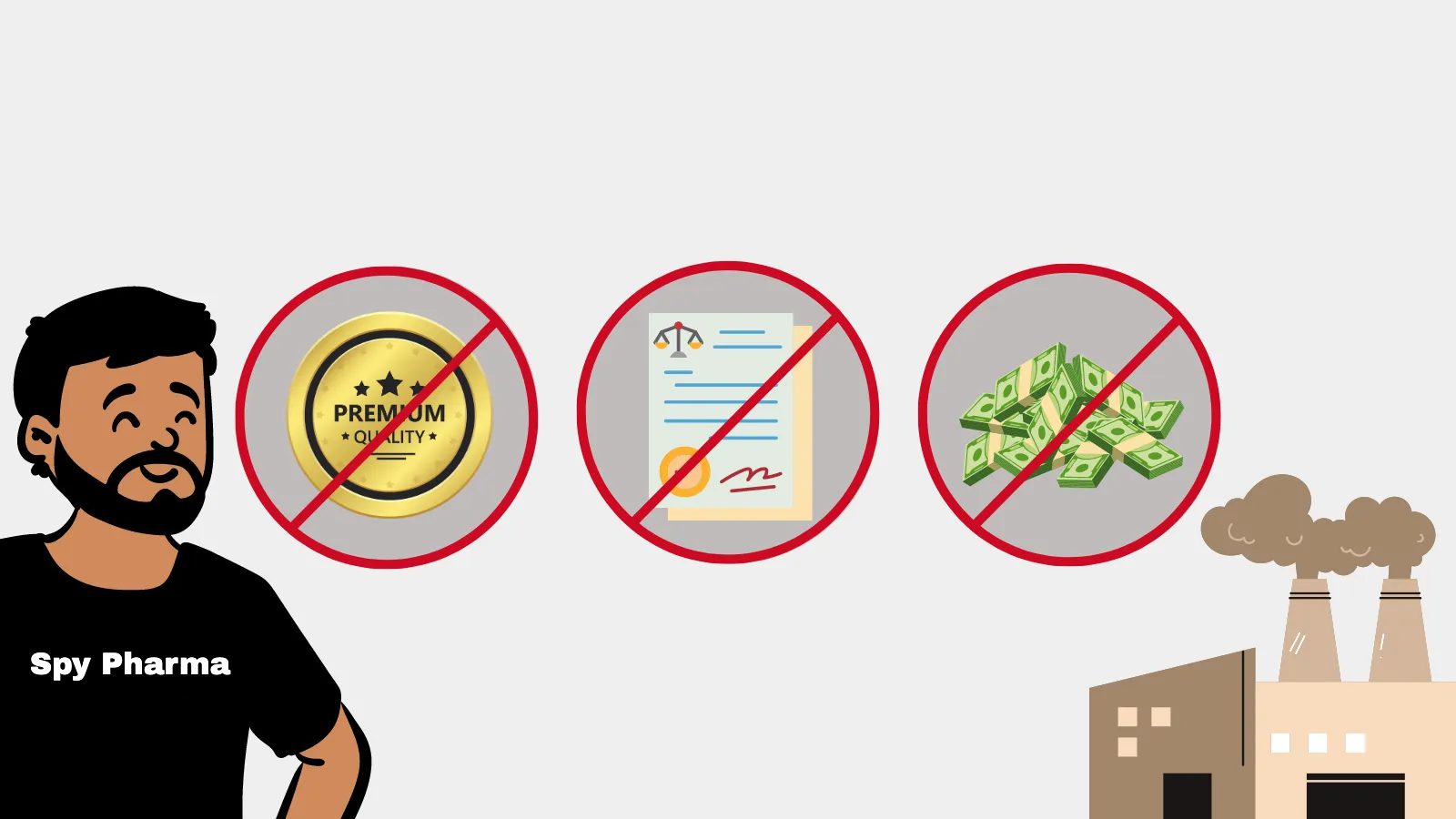
Low MOQ Cosmetic Manufacturers: Be Aware of These Dangers
Ultimate Guide for Vegan Private Label Cosmetics in 2024
![Top 9 Luxury Private Label Cosmetics Manufacturers [+Guide]](https://www.spypharma.com/uploads/blog/luxury-private-label-cosmetics-manufacturers.jpg)
Top 9 Luxury Private Label Cosmetics Manufacturers [+Guide]
![Starting a Lip Gloss Business: A Step-by-Step Guide [2025]](https://www.spypharma.com/uploads/blog/starting-a-lip-gloss-business.jpg)