![Top 17 Cosmetic Manufacturers for Beginners in 2025 [+Guide]](https://www.spypharma.com/uploads/blog/top-17-cosmetics-manufacturers-for-beginnerstop-17-cosmetics-manufacturers-for-beginners.jpg)
| Rank | Name | Country | Product Range |
|---|---|---|---|
| 1 | Spy Pharma | 🇹🇷 | Makeup, Skin Care, Hair Care, Makeup Tools |
| 2 | Dynamic Blending | 🇺🇸 | Skin Care, Hair Care, Fragrances |
| 3 | Columbia Cosmetics | 🇺🇸 | Makeup, Skin Care |
| 4 | Cosmetic Solutions | 🇺🇸 | Skin Care |
| 5 | Temmentec | 🇨🇭 | Skin Care |
| 6 | Mind The Beauty | 🇨🇭 | Makeup, Skin Care, Hair Care |
| 7 | Radical Cosmetics | 🇺🇸 | Makeup |
| 8 | Audrey Morris | 🇺🇸 | Makeup, Skin Care |
| 9 | Lady Burd | 🇺🇸 | Makeup, Skin Care, Makeup Tools |
| 10 | ViaGlamour | 🇨🇦 | Makeup |
| 11 | HSA Cosmetics | 🇮🇹 | Skin Care, Hair Care |
| 12 | Onoxa | 🇺🇸 | Skin Care, Hair Care |
| 13 | Mana Private Label | 🇺🇸 | Makeup, Skin Care |
| 14 | Pinnacle Cosmetics | 🇨🇦 | Makeup, Skin Care, Makeup Tools |
| 15 | Indigo Private Label Cosmetics | 🇺🇸 | Makeup, Skin Care |
| 16 | B4U Labs | 🇸🇮 | Skin Care |
| 17 | Blanka | 🇨🇦 | Makeup, Skin Care, Makeup Tools |
1. Spy Pharma
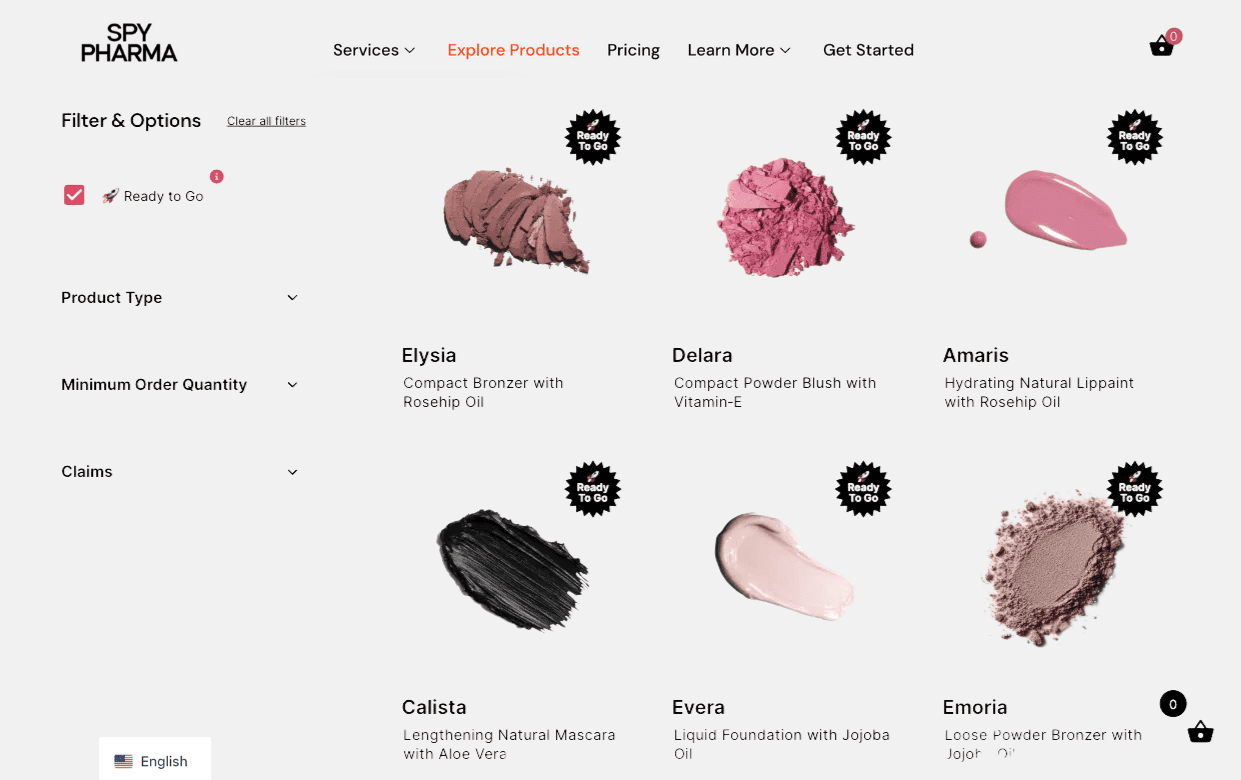
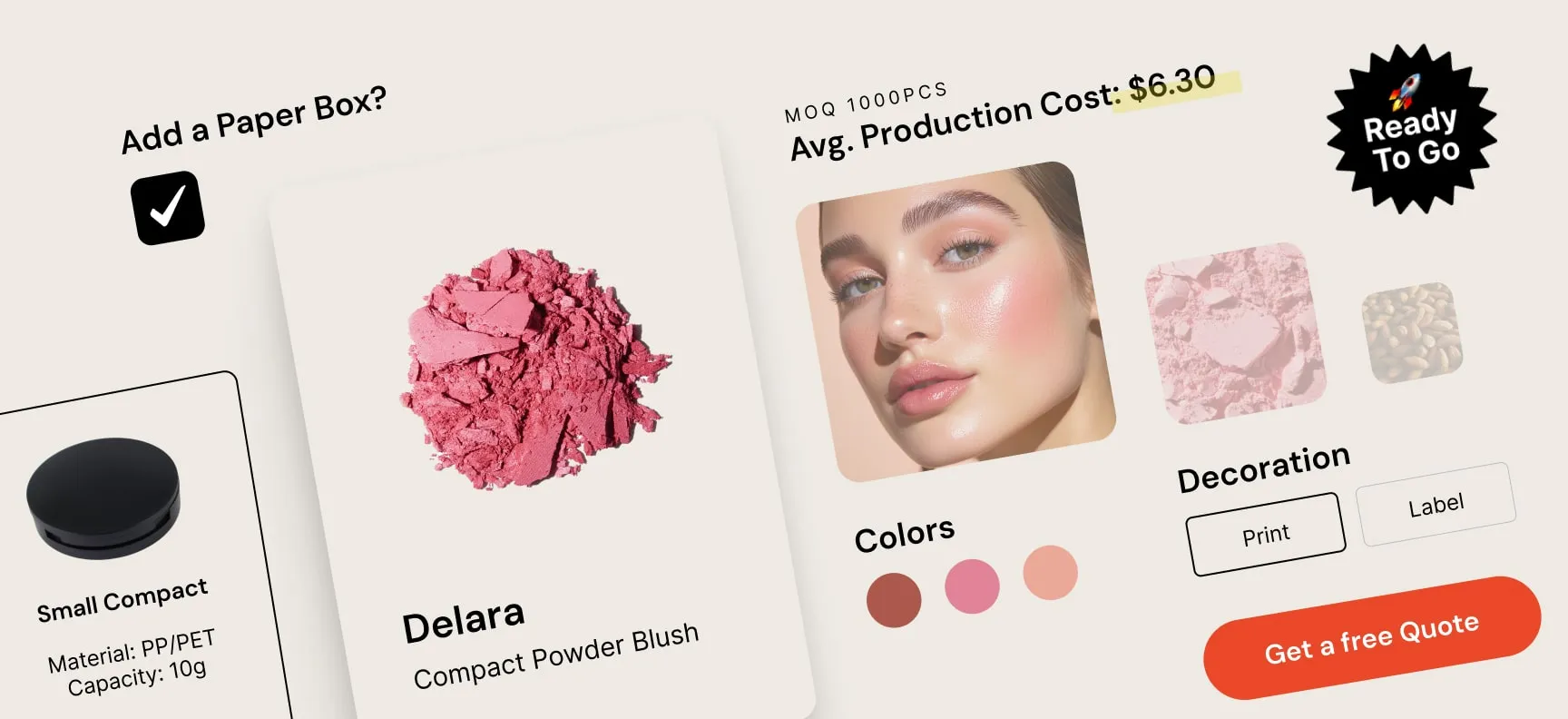
Based in Türkiye, we offer top-tier private label and custom cosmetic products. Our product catalog features over 100 ready-to-go formulations, from skincare to makeup, with transparent production costs and MOQs for fully finished products.
You can choose from various packaging and customization options and receive a free quote. We also provide custom formulation development and reformulation of reference products, starting at just €950.
Our service goes beyond manufacturing first-class cosmetics—expert guidance by a dedicated contact person, outstanding brand and product design, full support for certifications and compliance and much more.
2. Dynamic Blending
As a full-line private label manufacturer, Dynamic Blending provides a range of turnkey cosmetics and skincare options. Their very low minimum order requirement makes them a preferred choice for those keen on market testing.
3. Columbia Cosmetics Manufacturing
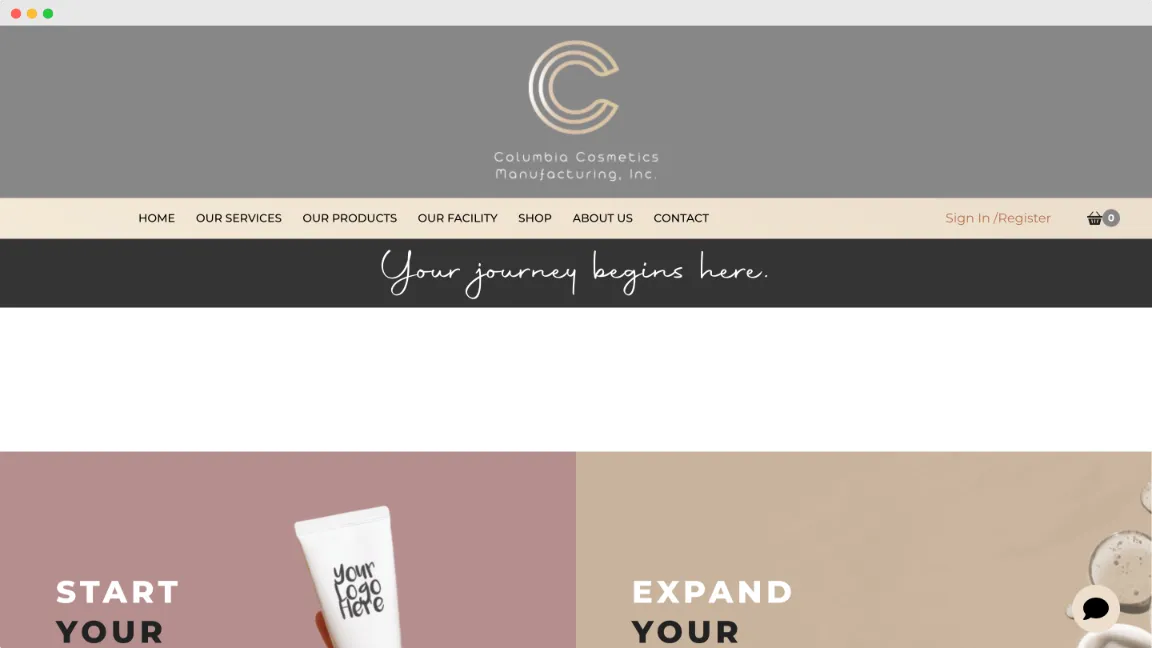
Columbia Cosmetics Manufacturing Inc. is a California-based custom manufacturer that specializes in the development and production of skin care, hair care, and body care products. They offer a wide range of services, including product development, manufacturing, and packaging design.
4. Cosmetic Solutions
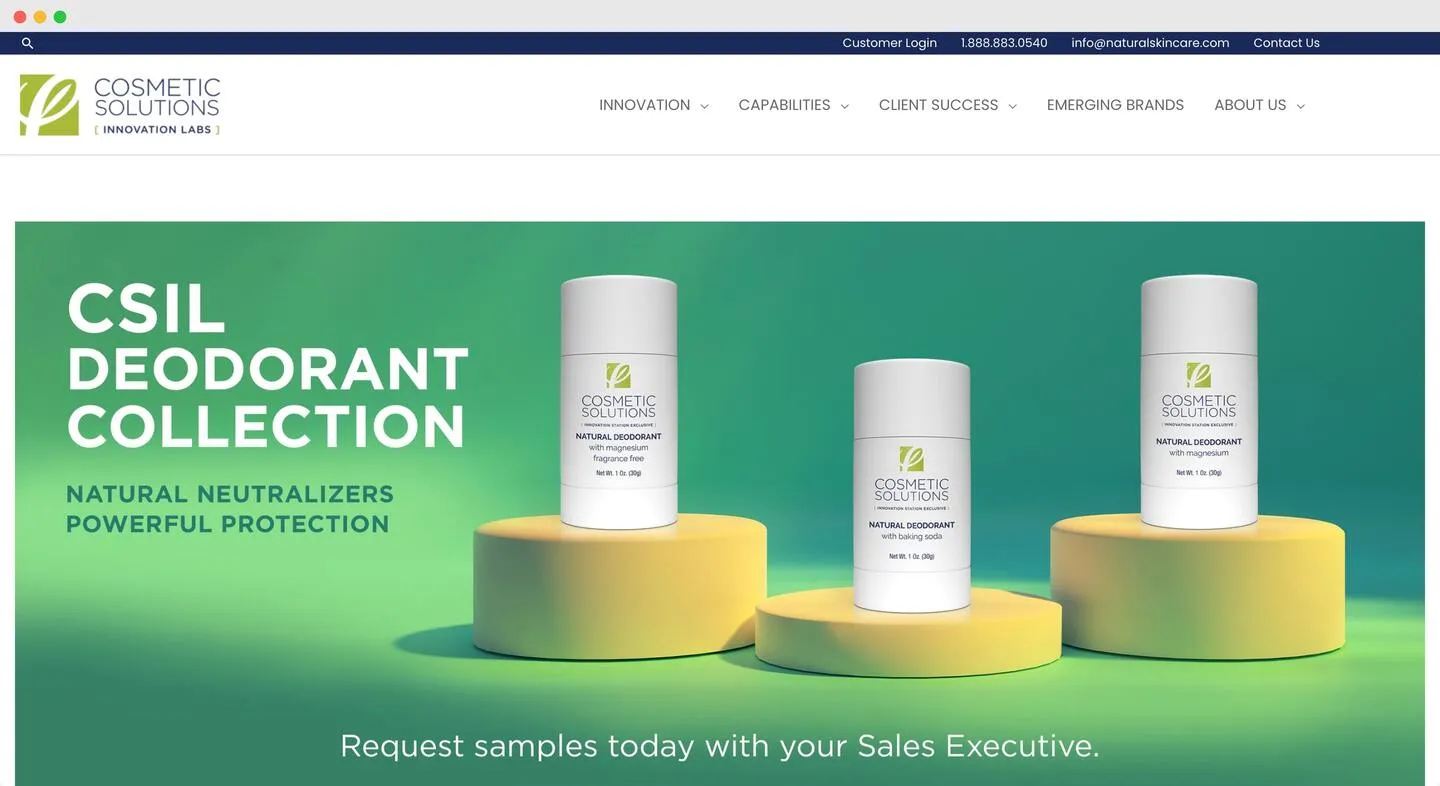
Cosmetic Solutions works with brands in the skincare and personal care spaces to offer formulations for moisturizers, deodorants, and other products straddling the line between beauty and personal care.
5. Temmentec
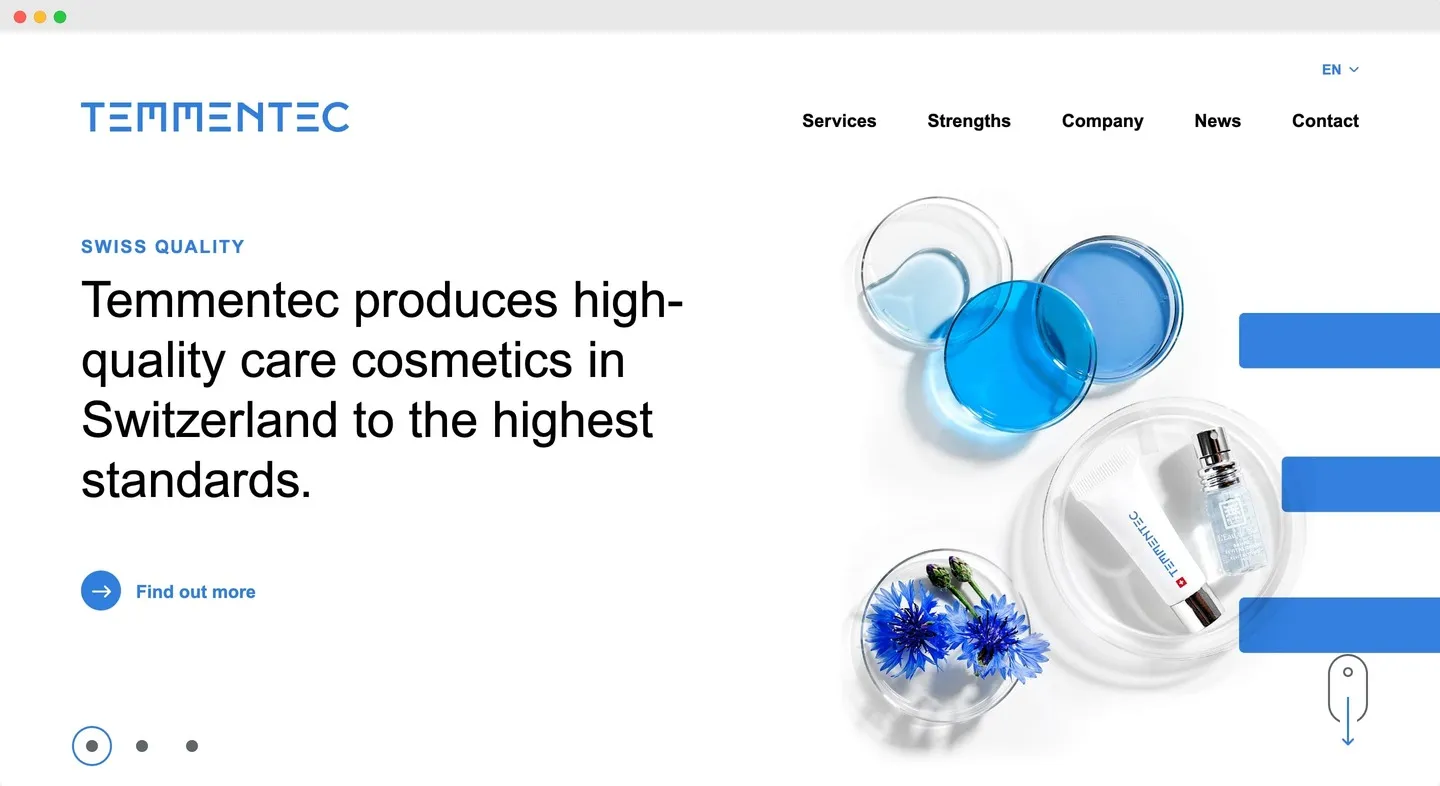
Temmentec AG specializes in scalable services for helping new brands to bring their beauty products to the market using a “pick and choose” method for everything from formulation to logistics.
6. Mind The Beauty
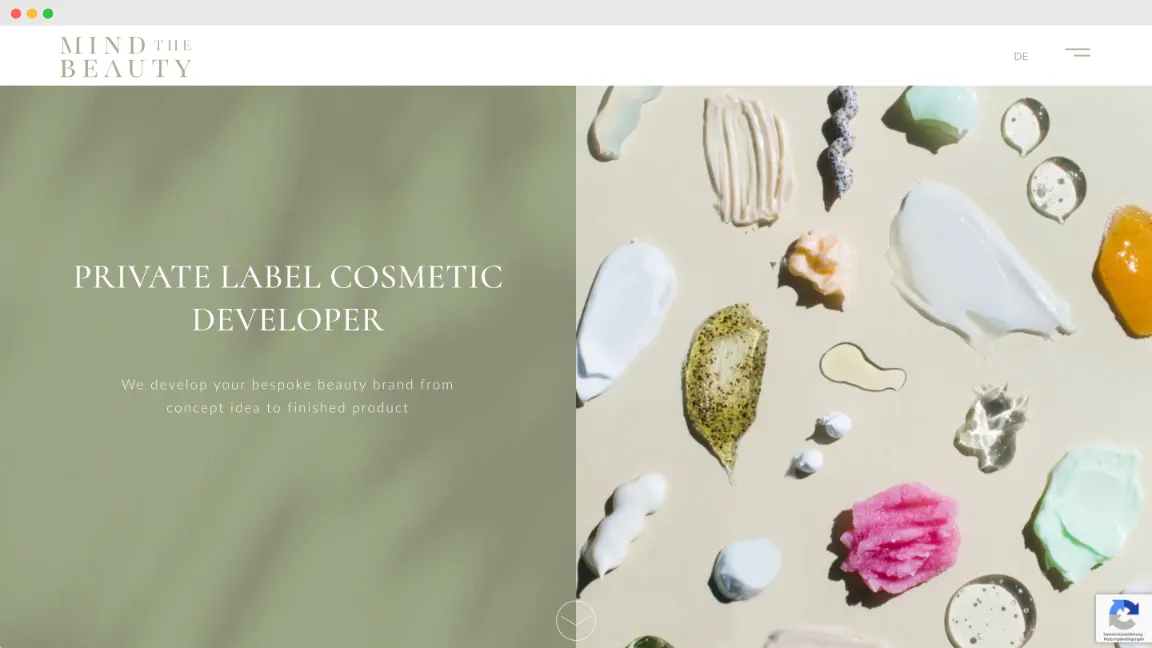
Mind the Beauty offers a complete partnership approach to business, creating unique private label skincare and cosmetics products. Their wide range of cosmetics and advisory services on marketing and branding make them a top choice for entrepreneurs.
7. Radical Cosmetics
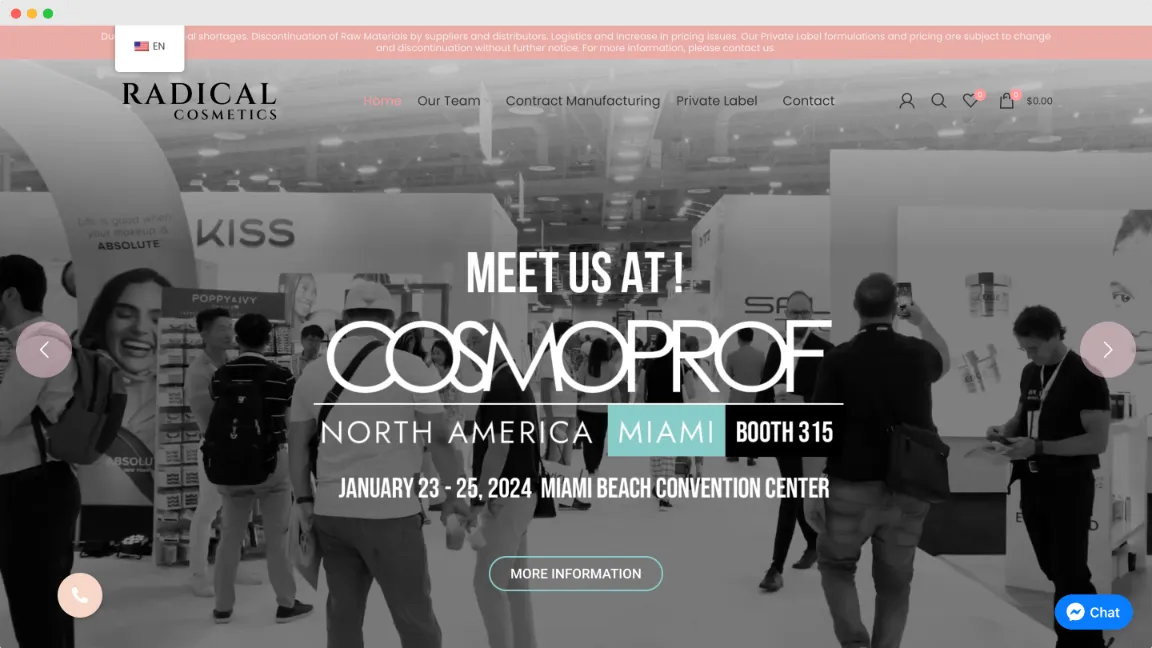
A family-owned private label cosmetics manufacturer, Radical Cosmetics excels in color cosmetics and skincare products. All of their products are domestically produced, underscoring their commitment to local business.
8. Audrey Morris
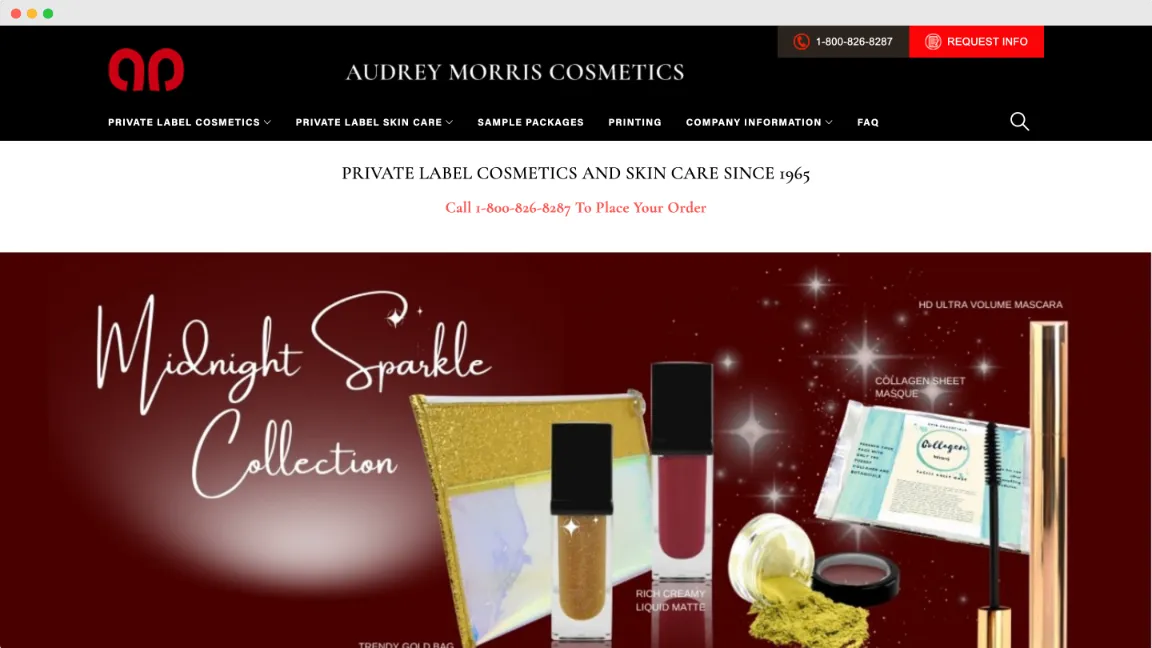
As one of the oldest private label cosmetics manufacturers in America, Audrey Morris provides both traditional and mineral-based makeup lines. Their extensive product packaging and display options facilitate a swift launch for new cosmetics lines.
9. Lady Burd
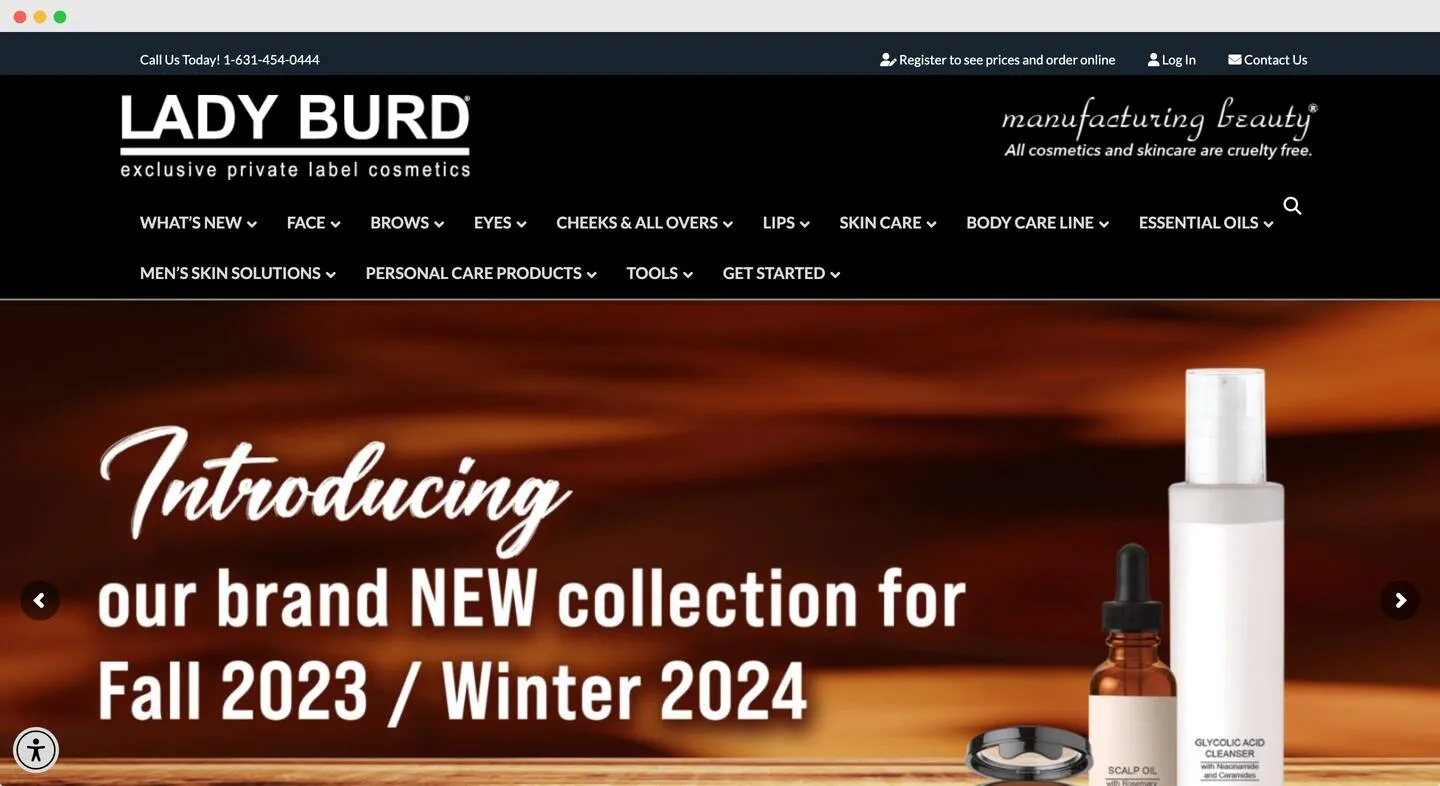
Lady Burd’s vast catalog of formulas and color choices simplify the search for the perfect blend. They also provide custom blends, tailored by their in-house chemists to meet individual needs.
10. ViaGlamour
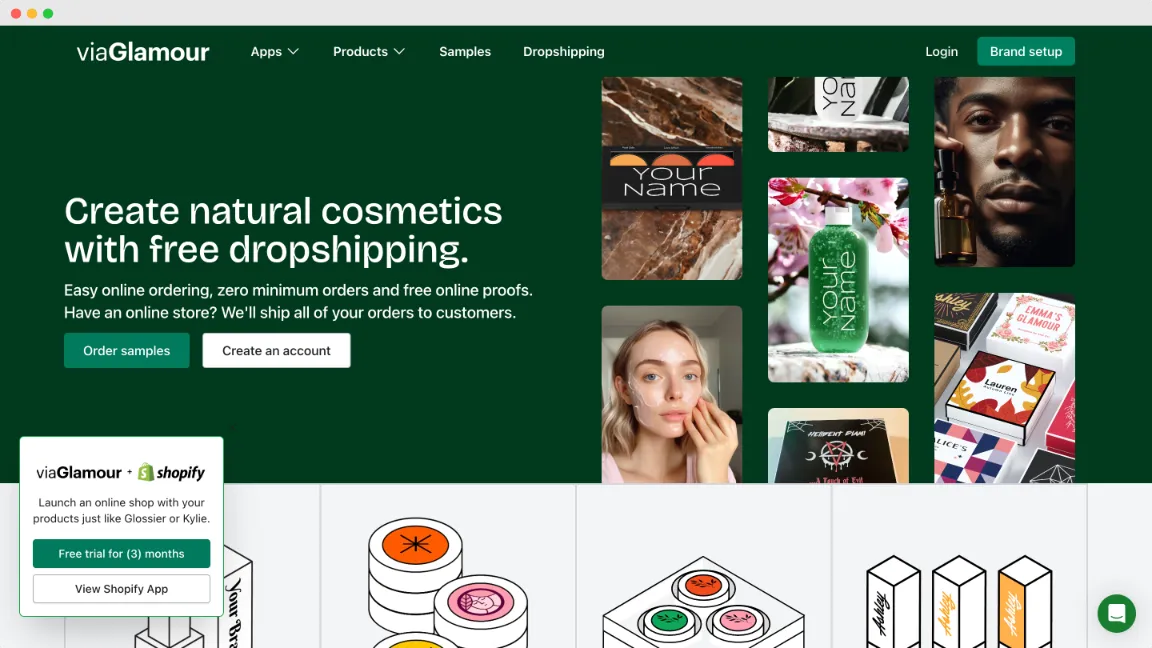
A featured Shopify partner, ViaGlamour provides easy ways to launch a vegan and cruelty-free product line. They offer ultra-fast shipping and a wide range of product options, including the opportunity to create subscription boxes.
11. HSA Cosmetics
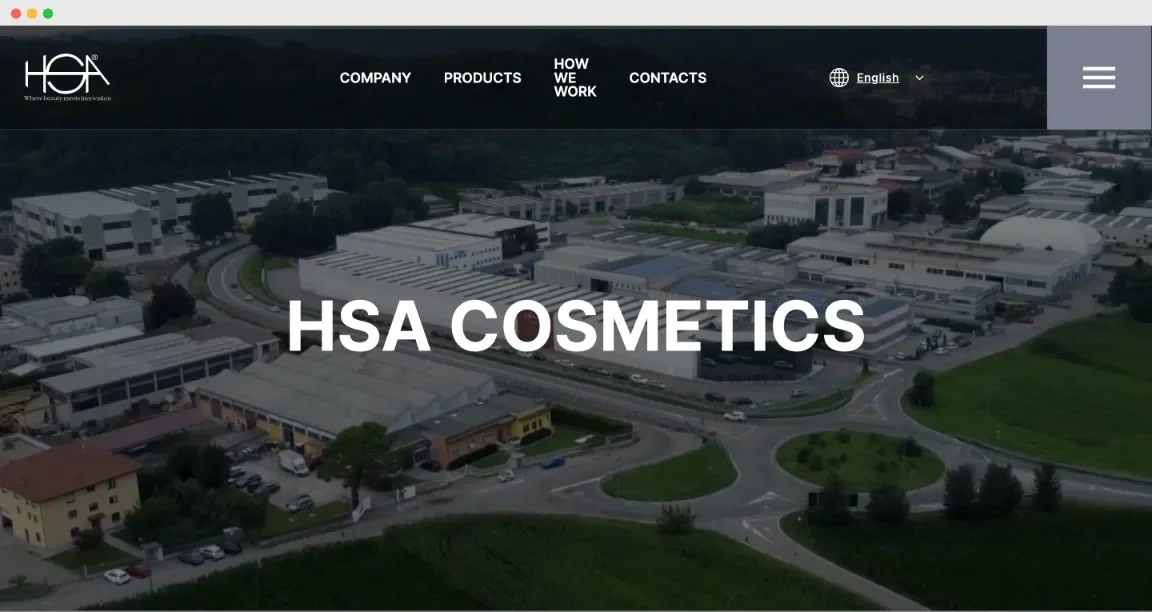
Established more than 30 years ago in Italy, HSA Cosmetics has made a name for itself as a premier private label cosmetic company with extensive expertise in skin and hair care. Serving a broad range of customers globally, HSA Cosmetics is known for its remarkable ability to create product lines that fulfill every professional requirement.
12. Onoxa
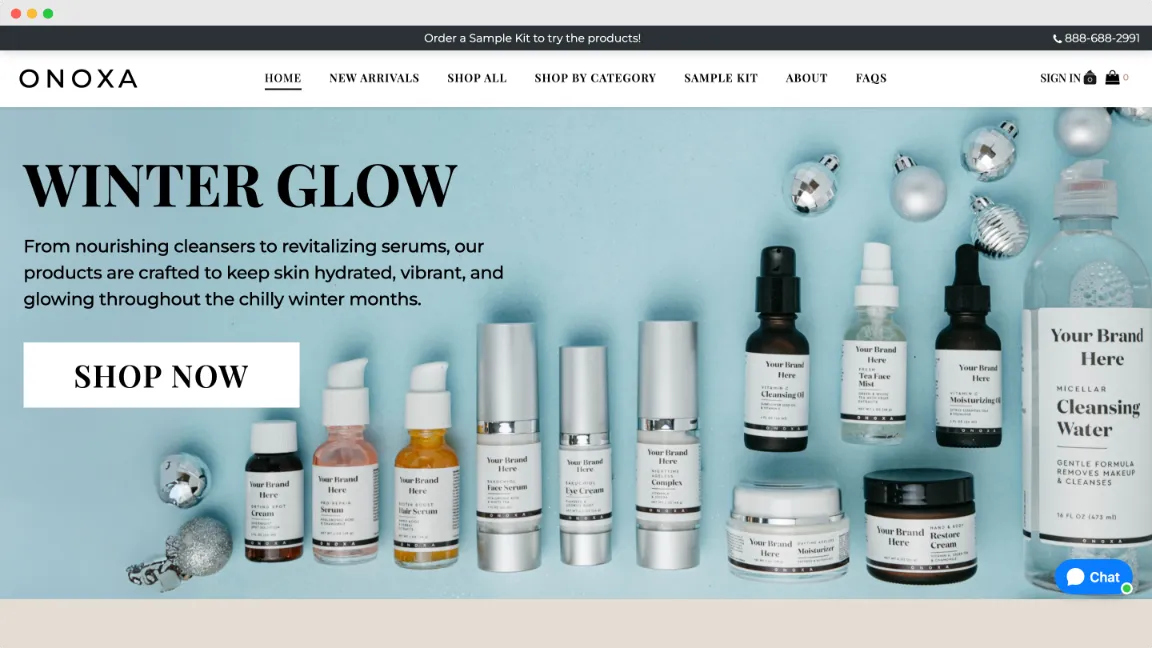
Renowned for its simple and effective process, Onoxa enables entrepreneurs to kickstart their skincare ventures effortlessly. From product formulation to packaging, Onoxa handles all aspects and even provides complimentary label design services. Their standout customer reviews underscore the quality of their products and the ease of the startup process.
13. Mana Private Label
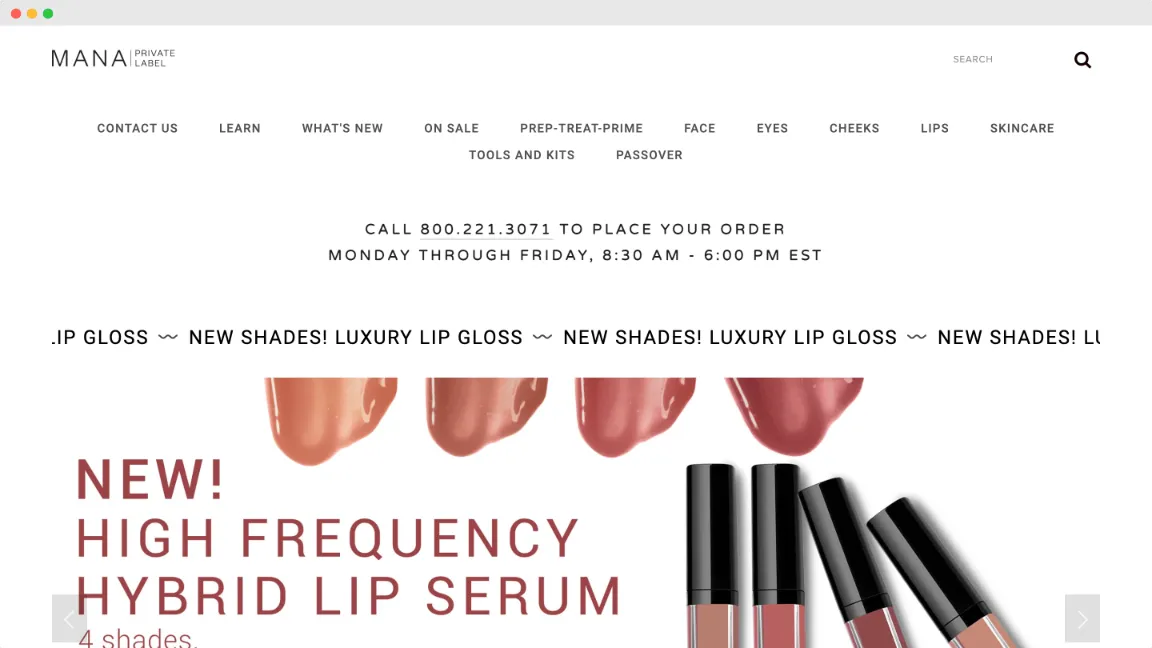
Mana is a respected domestic producer of color, skin, and hair care private label products. Their adherence to Good Manufacturing Practice (GMP) assures high-quality standards.
14. Pinnacle Cosmetics
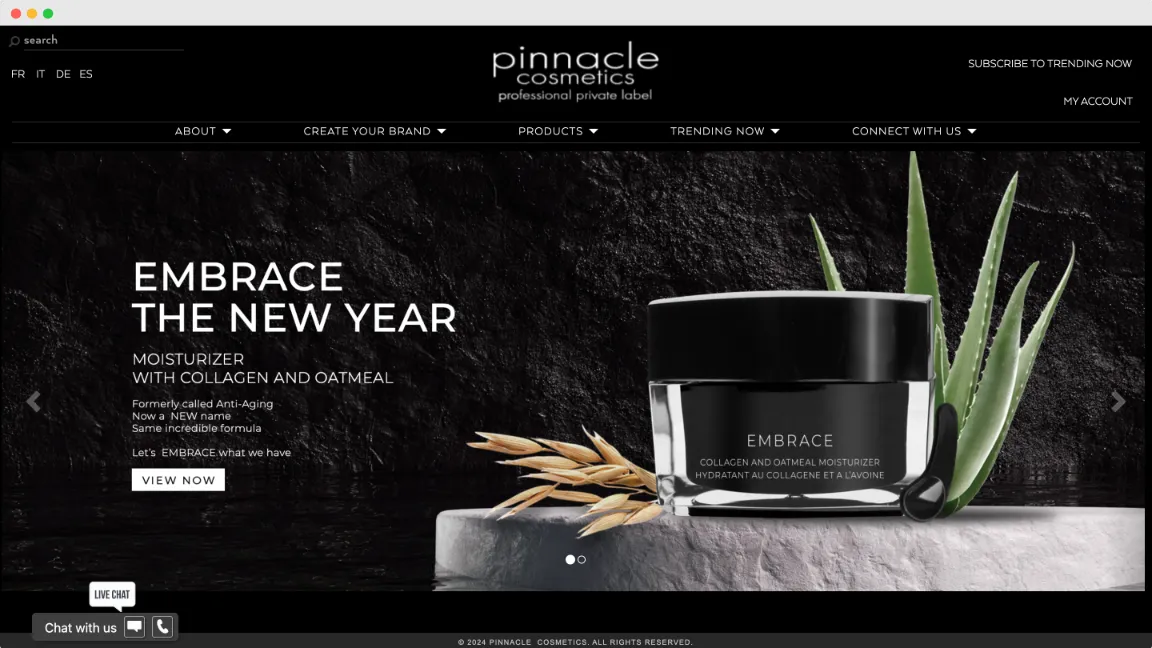
Predominantly based in Canada, Pinnacle Cosmetics delivers high-quality makeup and skincare products for various brands. Their quick turnaround times and pre-set collection of bestsellers enable entrepreneurs to launch their private label business swiftly.
15. Indigo Private Label Cosmetics
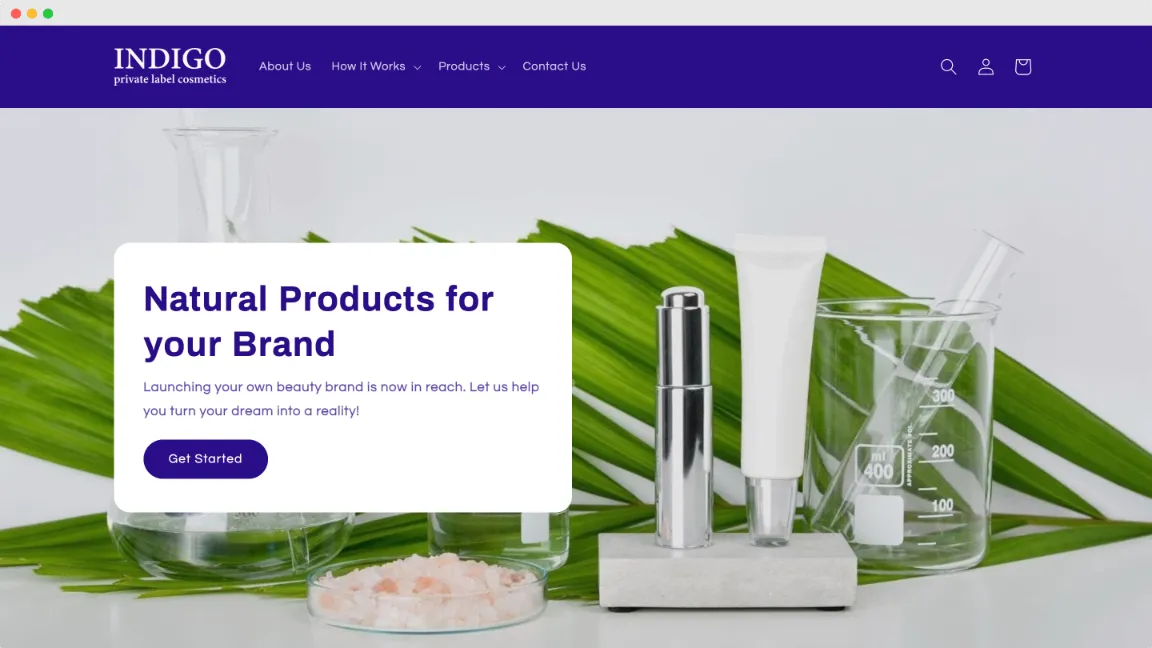
Built on several generations of makeup industry experience, Indigo offers outstanding service. Their no-minimum order policy makes them an excellent choice for budding entrepreneurs.
16. B4U Labs
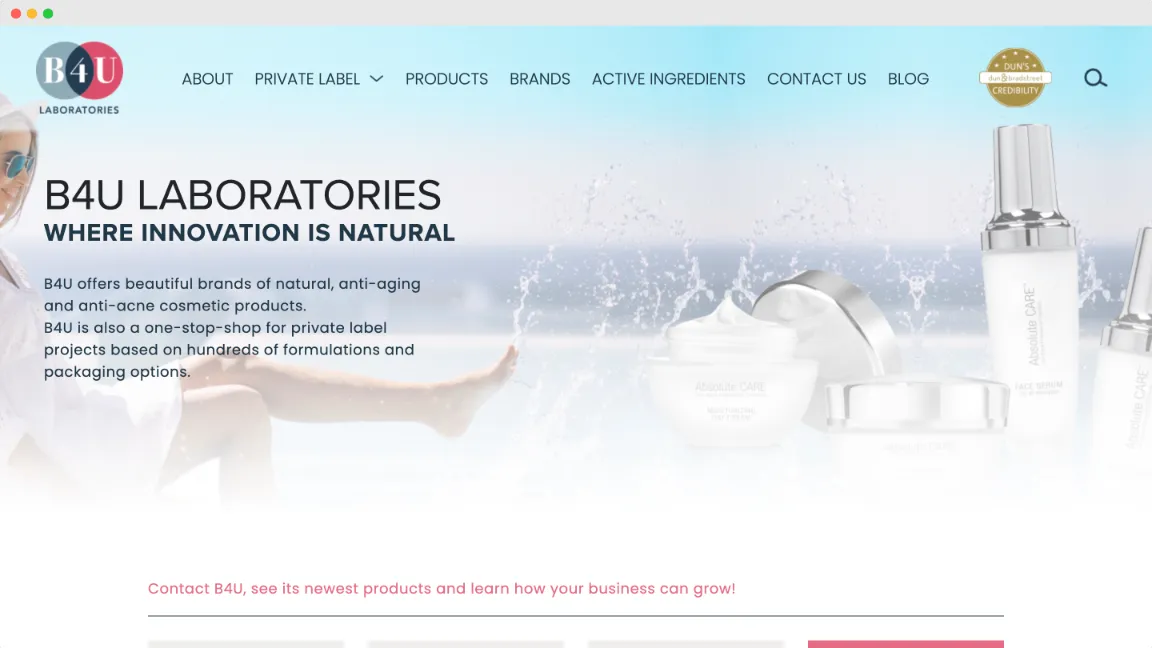
Combining a low minimum order requirement with top-notch customer support, B4U Labs offers a comprehensive private label service. Their simple three-step process aids in fast business setup.
17. Blanka
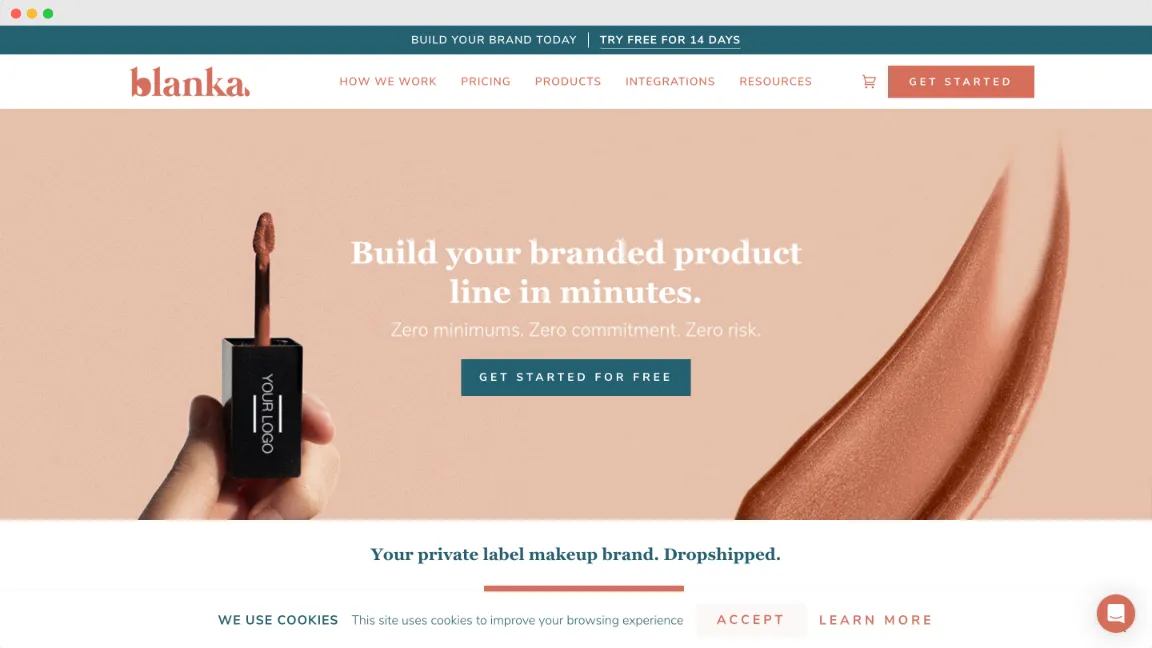
Offering multiple product lines, Blanka specializes in a variety of cosmetics and skincare products. Their easy-to-use ecosystem and Shopify integration make it quick and simple to establish a brand.
Guide
How do I find the perfect Cosmetic Manufacturers?
Finding the right cosmetic manufacturers for your project can be a big challenge.
Especially in the outdated cosmetics industry, many reputable manufacturers rely on word-of-mouth recommendations, which is why they are unfortunately often hard to find (online).
And once you’ve found and contacted a promising manufacturer, you still have to figure out if the manufacturer is a good fit for you and your project.
Because we have been told by our customers that they often had a hard time accessing and evaluating these factors, we’ve put together this guide to help you find the right manufacturer.
Step 1
1. Create a List of Cosmetic Manufacturers
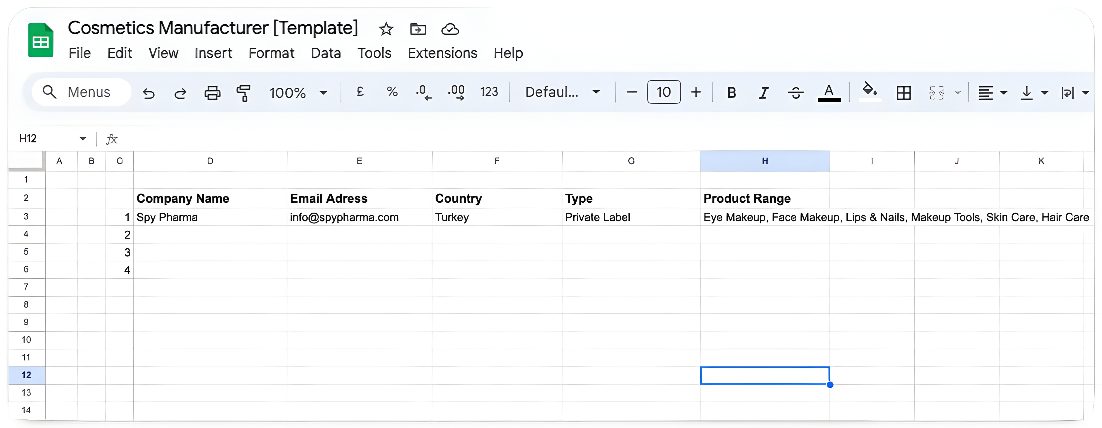
To make an informed decision, I recommend you create a list of cosmetic manufacturers that best suit your needs.
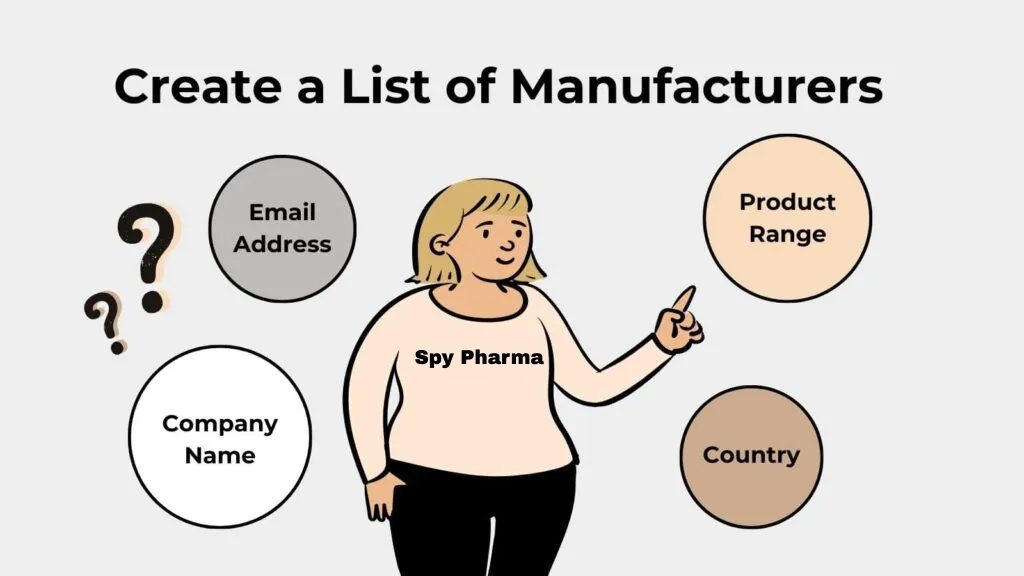
It’s best to do this in Google Sheets or Excel so that you don’t get confused later.
These columns could be useful:
- Company name
- Email address
- Country
- Product range
Search in Business Directories specialized in Cosmetic Manufacturers
To find potential cosmetic manufacturers and their contact details, I recommend searching in business directories that specialize in cosmetics.
Typically, these have higher quality listings than general directories like Alibaba.
This is because manufacturers are usually approved manually, unlike on Alibaba where anyone can register.
Here are some of my favorites:
The first directory is my personal insider tip, as only exhibitors from the world’s largest cosmetics trade fair, CosmoProf, are listed here.
And to become an exhibitor at CosmoProf, businesses have to meet strict requirements when manufacturing cosmetics.
Cosmetics Trade Fairs are underrated nowadays
Attending trade fairs is of course much more time-consuming and expensive than searching online.
But in my opinion, it is totally underestimated nowadays, as many good cosmetic manufacturers don’t even have an internet presence like we do. Or a terrible one.
It is really helpful to get to know someone from the company you are trying to work with face-to-face and will help you to be treated prioritized compared to email inquiries.
But be aware that, depending on where you live, it can be pretty expensive to get to know them in person. Especially when you are starting out on a budget, it’s not always easy to invest so much money in building relationships before the business has even started.
For example, to attend one of the most popular cosmetic fairs in the world, the Cosmoprof, you have to travel to Bologna, Singapore or Hong Kong.
Step 2
2. Narrow down your List of Cosmetic Manufacturers
After you have compiled a list of all the cosmetic manufacturers who might be worth a look, you should select the most promising ones.
It is usually not worth going further in the process of creating a cosmetic line with all the manufacturers on your list. You should be able to sort them out based on a few criteria.
This saves both you and the manufacturer’s resources.
Does the Cosmetics Manufacturer provide Everything you are looking for?
Try to identify the product range and expertise of the cosmetic manufacturers on your list.
Delete all manufacturers from your list that only offer some of your desired products.
It is much easier to build a strong relationship with one cosmetics manufacturer than with many smaller ones from whom you only source certain products.
You can expand your range more easily, and you will have fewer problems with your supply chain.
Be careful with Government Regulations & Safety Standards
This is where you should really sort things out.
First of all: We have manufacturers from every possible region of the world in our supplier network. And we have excellent partners from China as well. In particular, for individual components such as secondary packaging (cardboard boxes for cosmetic products).
However, cosmetics regulations are unfortunately very regional.
That is why, when it comes to compliance with these regulations, you are often on the safe side with a cosmetics manufacturer from your own market.
Cosmetics regulations differ greatly from Europe to America, and from America to Asia even more. Even within Europe and Asia there are major differences.
We have also seen our own customers receive fake certificates from former Alibaba manufacturers.
So be careful and check every manufacturer as thoroughly as possible before you even consider working with them.
Step 3
3. Decide between Private Label and White Label Cosmetic Manufacturers
Your list will likely include both white label and private label cosmetic manufacturers. You should choose one of these two options before you proceed.
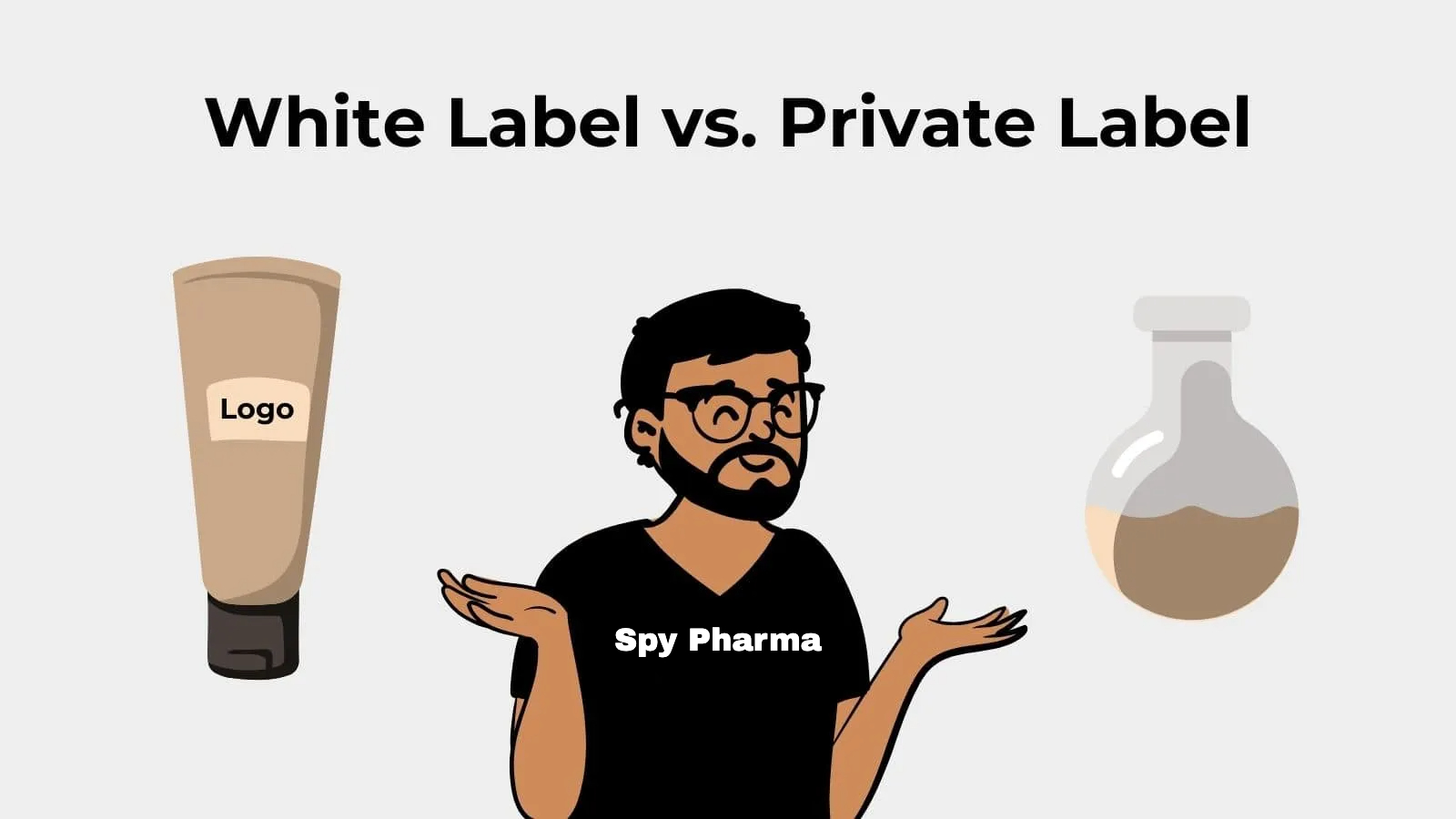
The two main differences are the minimum order quantity and the customization options.
Private Label Cosmetics Manufacturers
Private label cosmetics is totally different. You can customize the formula and choose the packaging. This way you have a truly unique product and not an off the shelf, ready-made product.
Also, private label products typically come in a much higher quality than white label products.
Cosmetic Contract Manufacturing
If you are absolutely sure from the very beginning that you would like to purchase fairly large quantities (> 1000–5000 units) and have a very specific idea of your product, you can also choose a cosmetic contract manufacturer.
These usually do not offer ready-made formulations. This means that it will always come down to a new development. A new development is obviously associated with higher costs and purchase quantities.
Step 4
4. Reach out to your Top 3 Cosmetic Manufacturing Prospects
Now you have done your homework and found the most promising cosmetic manufacturers.
It’s time to get in touch with them.

But what do I need to bear in mind and how can I increase the chances of a successful collaboration?
The first Impression determines the Level of Support you receive
As a cosmetic manufacturer who receives many inquiries every day, we can tell you from our own experience that many cosmetic manufacturers are very busy processing inquiries.
This is why some decide what level of support a prospective customer will receive already after the first point of contact.
Some manufacturers even choose not to reply at all if the inquiry does not seem qualified or relevant enough.
This is how you should contact a Cosmetic Manufacturer
Therefore, you should write a professional email for your first outreach. It should contain as much information as possible so that the manufacturer knows exactly what you are looking for.
At this point, you should describe your project and the desired products to the cosmetics manufacturer as precisely as possible. Budget and desired purchase quantities can also help you to quickly get down to business with the manufacturer.
This saves you and the manufacturer a lot of time, as these conditions must be met for a cosmetics manufacturer to be the right one for you.
Step 5
5. Ask the Cosmetic Manufacturers for Product Samples
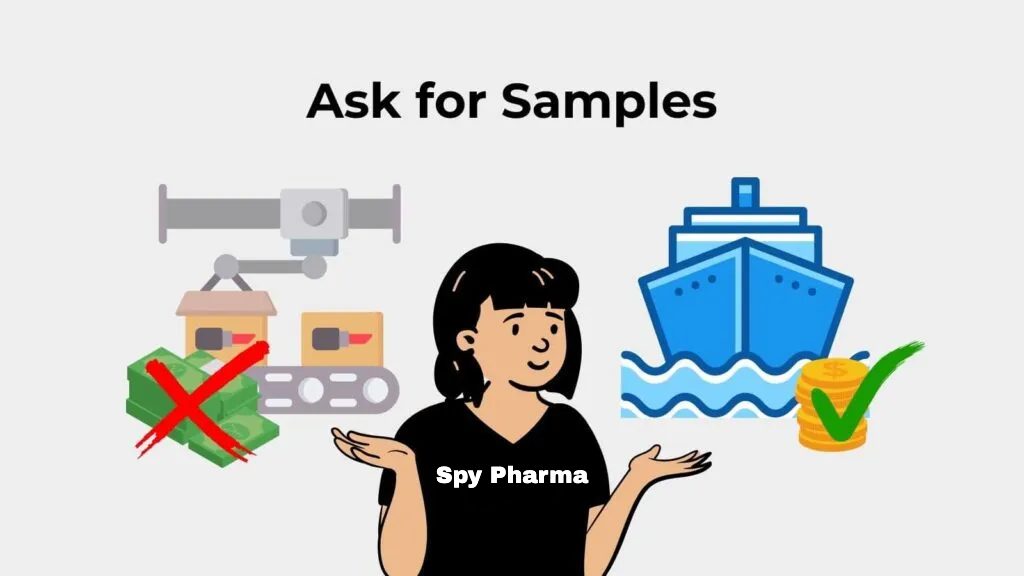
Once the general conditions have been clarified, i.e. if the manufacturer can produce the products you want with the budget you have specified and in the quantities you require, you should definitely ask for samples.
Don’t be afraid to ask for Modifications
A good private label cosmetics manufacturer, unlike a white label cosmetics manufacturer, should be able to customize a cosmetic product to your needs.
Although they are using standard formulations, you should be able to customize the fragrance, color or packaging.
And this should be completely free of charge!
Only if the ingredients are changed to an excessive extent may a development fee be charged.
This is because new tests such as a stability test or compatibility test have to be conducted. The cosmetics manufacturer will incur considerable costs in the process.
Step 6
6. Choose your Cosmetic Manufacturer
Now it’s time to make a decision.
Ideally, you should have been able to test samples from two to three different cosmetic manufacturers for the same product.
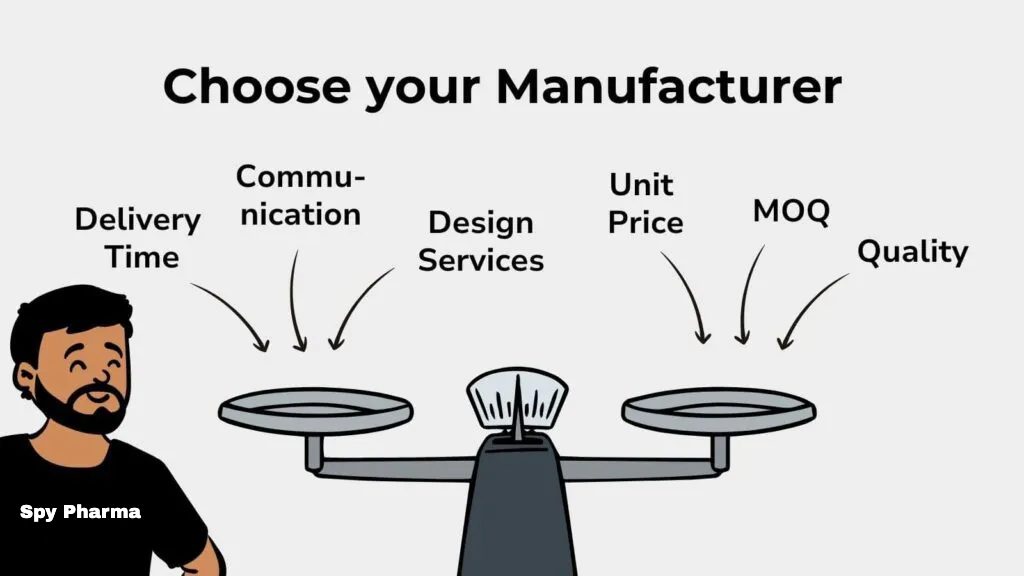
By now, you should also know the approximate prices and minimum purchase quantities.
You should pay Attention to this when choosing a Cosmetic Manufacturer
The samples alone should not make the final decision. There are many other factors that can play a major role.
For some things, such as delivery conditions, production and delivery times, you need to ask the manufacturer. Other factors you should evaluate yourself.
You should consider factors such as:
- Quality
- Unit Price
- Lead time (time between the initiation and completion of a production process)
- Delivery time
- Minimum order quantities (MOQ)
- Communication
- Reliability
- Certifications (ISO, GMP, Ecocert etc.)
- Shipping terms (EXW, FOB, door-to-door etc.)
- Additional services like design services
The Choice depends on your individual Needs
Unfortunately, it is impossible to make a clear recommendation as to which cosmetics manufacturer is best for you.
You should evaluate the factors above according to your individual needs.
Here are two examples to give you some guidance:
Maria is 24 Years old and would like to start her own Vegan Makeup Brand
MOQ: She would like to start with low quantities and a small investment without taking a big risk.
Communication: She might need support in choosing the right products and would be grateful for a personal contact whom she can reach at any time for questions.
Certifications: When it comes to certifying and registering the products, she is currently still completely overwhelmed. She has considered seeking legal advice, but would also hope for advice from the manufacturer here.
Design Services: She also attaches great importance to a superb design, both for the brand and for the products. This should set them apart from the competition.
Lead and Delivery Time: The production and delivery time are not quite as important for her first order, as she is not under any time pressure for the launch.
Unit Price: The price per unit has to be good enough for her to sell on profitably, of course, but a few cents more or less is not decisive for her.
Juliet, 32 Years old, is the Managing Director at a Swedish Skin Care Start-up
Reliability: Juliet’s cosmetics manufacturer from China has recently been very unreliable when it comes to meeting deadlines.
Communication: Sometimes she waits weeks for a response after placing an order. This is no longer sustainable for her fast-growing start-up. She is looking for a new manufacturer and attaches great importance to professional and swift communication.
Delivery Times: She prefers a cosmetics manufacturer from Europe or the USA in order to shorten delivery times.
Certifications: She has also already faced legal proceedings due to inadmissible formulations. She thinks that western cosmetic manufacturers are more familiar with the regulations in her target market (ISO 22716) and are subject to stricter controls.
Design Services: The brand design is already established, but she wants the manufacturer to take care of the product design.
Unit Price: Juliet has a precise target price that must not be exceeded to the penny, as she has calculated her margins tightly.
FAQ
Common Questions about Cosmetic Manufacturers
Where is most Cosmetics manufactured?
This question arises for almost everyone who wants to manufacture cosmetics.
Cosmetics is produced in almost every country.
However, there are serious differences in the variety, quality, and degree of specialization of the products offered.
For example, it can make a lot of sense to have mascara produced in Italy and eyelashes in Indonesia.
What is a Cosmetic Manufacturer?
A cosmetics manufacturer is a company that creates and sells a range of products designed to enhance or improve a person’s appearance.
This can include makeup, skincare, haircare, and fragrance products.
Some cosmetics manufacturers also offer products that are intended to improve the health and wellness of their customers.
What is the Difference between a conventional and a Private Label Cosmetics Manufacturer?
A conventional cosmetics manufacturer creates products under their own brand name and sells them through various retail channels.
Private label cosmetics manufacturers, on the other hand, create products that are then sold under a different brand name, often that of the retailer or company that commissioned the product.
So if you are planning to start your own cosmetics brand, you should search for a private label cosmetics manufacturer like us.
How are Cosmetics manufactured?
The process of manufacturing cosmetics typically starts with selecting a formula that includes a variety of natural and synthetic ingredients that work together to achieve a specific result, such as improving skin texture or enhancing hair volume.
Once the formula is established, you will then select the packaging that best suits the product and its target market.
After the formula and packaging have been chosen, the manufacturer will begin producing the product in bulk using specialized equipment and machinery.
The ingredients are blended together according to the formula, and the finished product is then filled into the chosen packaging, whether that’s a bottle, jar, or tube.
Once the product has been filled into the packaging, it undergoes various quality control checks, to ensure that it meets the manufacturer’s standards for safety, effectiveness, and quality.
More Useful Guides
![White Label Cosmetics Explained: Pros & Cons in 2025 [+Guide]](https://www.spypharma.com/uploads/blog/white-label-cosmetics-explained.jpg)
White Label Cosmetics Explained: Pros & Cons in 2025 [+Guide]
Low MOQ Cosmetic Manufacturers: Be Aware of These Dangers
Ultimate Guide for Vegan Private Label Cosmetics in 2024
![Top 9 Luxury Private Label Cosmetics Manufacturers [+Guide]](https://www.spypharma.com/uploads/blog/luxury-private-label-cosmetics-manufacturers.jpg)
Top 9 Luxury Private Label Cosmetics Manufacturers [+Guide]
![Starting a Lip Gloss Business: A Step-by-Step Guide [2025]](https://www.spypharma.com/uploads/blog/starting-a-lip-gloss-business.jpg)
Starting a Lip Gloss Business: A Step-by-Step Guide [2025]
![Makeup & Cosmetics Packaging: Your Ultimate Guide [2025]](https://www.spypharma.com/uploads/blog/cosmetics-makeup-packaging-your-ultimate-guide.webp)