![How to Start a Skincare Line in 2025: Step-by-Step [+Costs]](https://www.spypharma.com/uploads/blog/how-to-start-a-skincare-line.jpg)
Starting a skincare line in 2025 might seem like a big task, but it’s totally doable with the right steps.
This guide will walk you through everything you need to know, from planning your products to understanding the costs involved.
Whether you’re passionate about creating all-natural skincare products or you have an innovative idea for a new beauty line, this blog will help you turn that dream into reality.
We’ll cover how to research the market, figure out who your customers are, and plan your finances. You’ll also learn about the different ways to get your products to your customers and how to market them effectively.
Plus, we’ll break down the costs so you know what to expect.
Starting your own skincare line can be exciting and rewarding. Let’s get started on making your skincare business a success in 2025!
Understanding the Skincare Market
Before you start making products, you need to understand the skincare market.
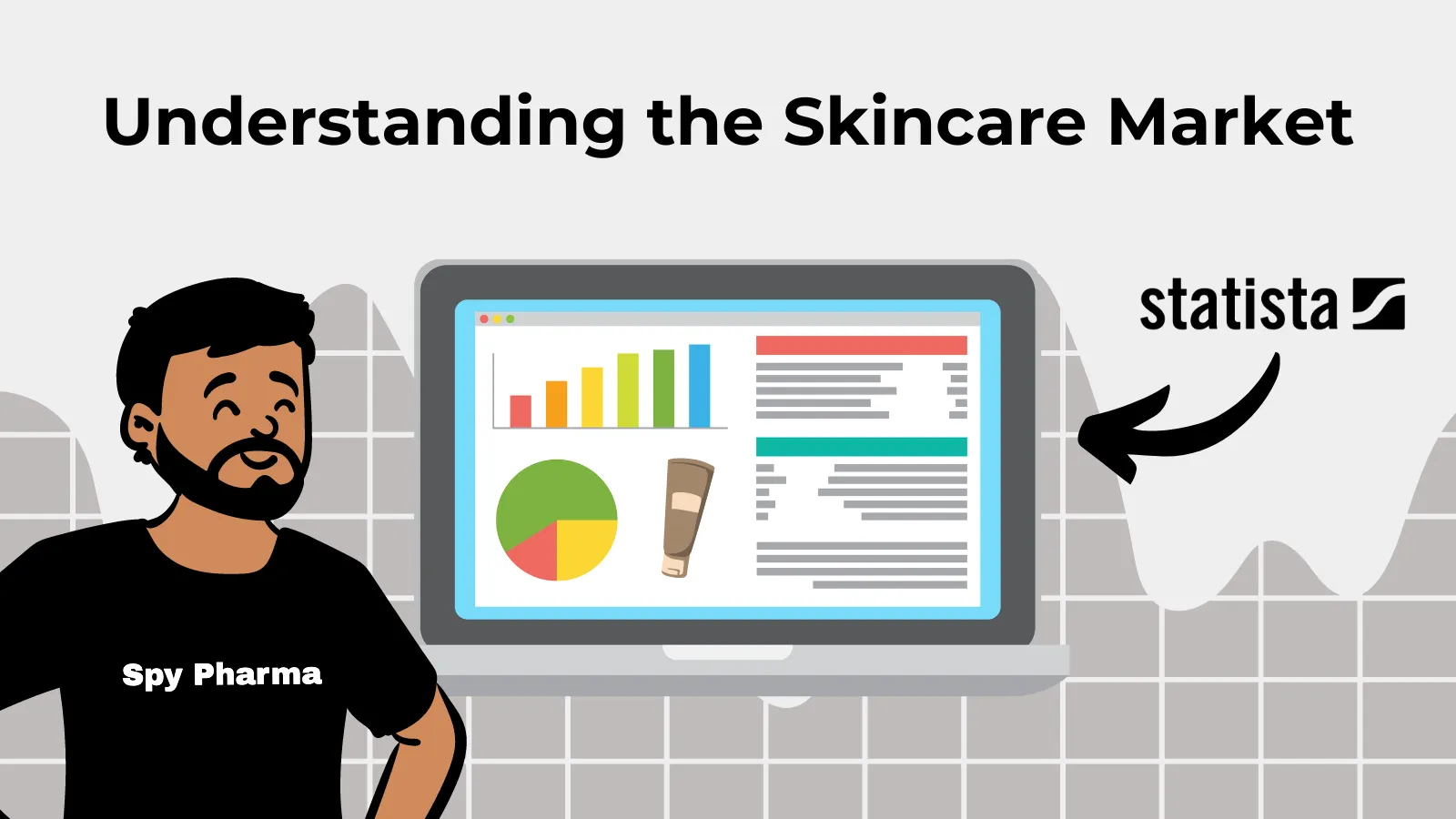
Knowing what’s popular, who your competitors are, and what customers want will help you create products that stand out.
Research Current Skincare Trends
Start by looking at the latest trends in skincare. Follow beauty blogs, read industry reports, and keep an eye on social media platforms like Instagram and TikTok.
These sources can give you insights into what’s hot right now.
For example, there’s a growing interest in natural and organic products. Knowing these trends can help you decide what kind of products to develop.
Analyze Your Competitors
Next, check out your competition. See what other skincare brands are offering and how they market their products.
Look at their websites, social media, and customer reviews.
This will help you understand what works and what doesn’t. You might find gaps in the market that your products can fill.
Identify Your Target Audience
It’s also important to know who your customers are. Think about their age, gender, lifestyle, and skincare needs.
Are you targeting teenagers with acne problems, adults looking for anti-aging solutions, or people with sensitive skin?
The more you know about your target audience, the better you can tailor your products and marketing strategies to meet their needs.
Creating Your Skincare Products
Now that you understand the market and know who your customers are, it’s time to create your products.
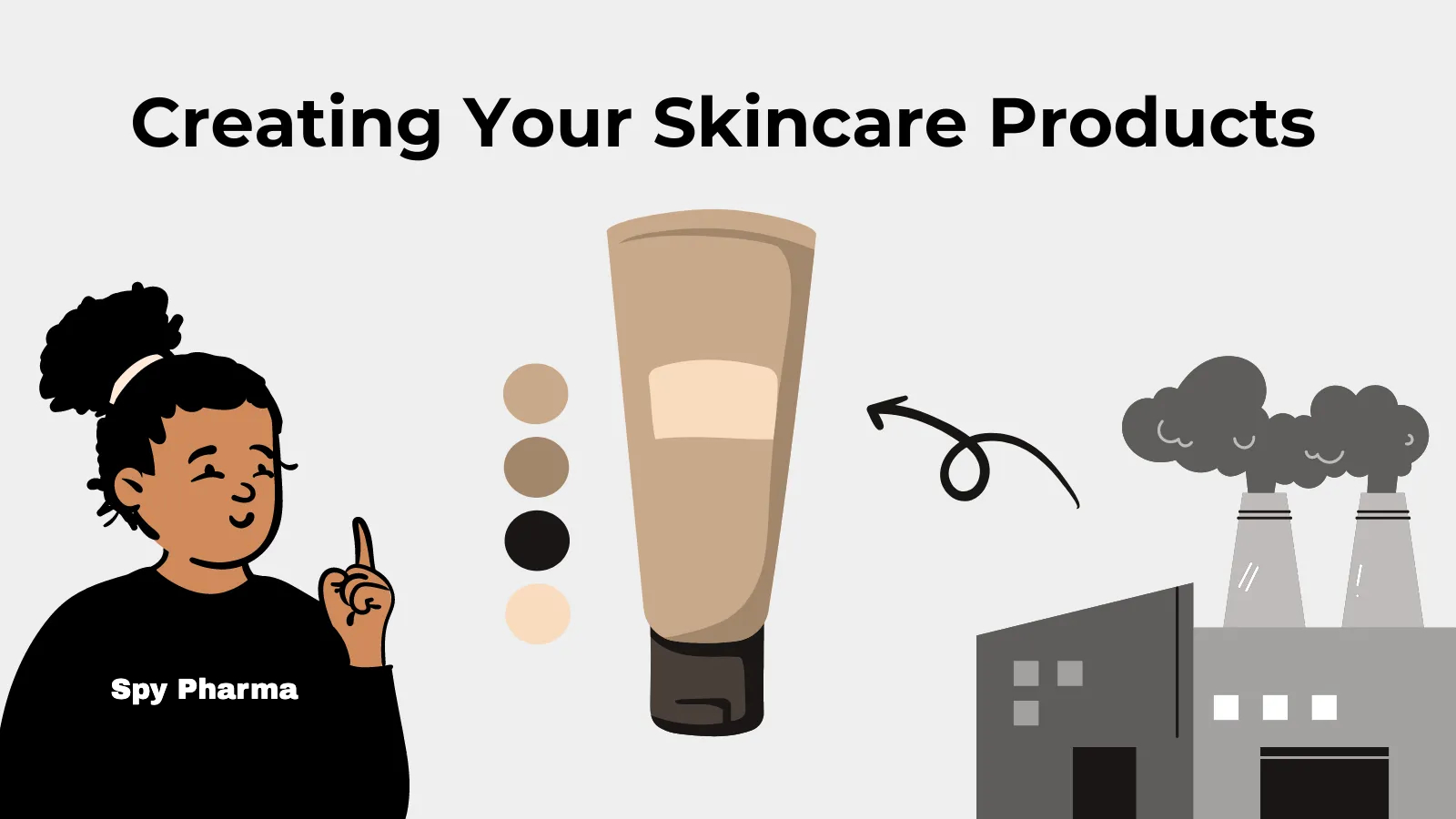
This involves choosing the right ingredients, working with a manufacturer, and ensuring your products are safe and effective.
Research Current Skincare Trends
Ingredients are key to any skincare product. You want to choose high-quality ingredients that provide real benefits.
Natural and organic ingredients are very popular right now.
Think about including things like aloe vera, jojoba oil, and shea butter.
It’s also important to avoid ingredients that can cause allergies or skin irritation.
Finding a Manufacturer
Finding the right skincare manufacturer is crucial.
Ask about their minimum order quantities (MOQs), lead times, and whether they offer custom formulation services or private label formulations (depending on what you need).
Private Label vs. Formulating Your Own
Private label skin care formulations are already developed and ready to be filled into your packaging.
You save costs and time for by skipping the development process.
The other option is to develop your very own skin care formulations.
This costs around 5000€ and takes about 3 months, depending on product and complexity.
Choose whatevery fits best your needs.
Testing and Safety
Before selling your products, you need to test them thoroughly.
This includes stability testing to ensure your products have a good shelf life and safety testing to make sure they don’t cause skin reactions.
Usually, these tests are already done for private label products and included in skin care development services.
You might also want to conduct consumer testing to get feedback on your products’ effectiveness and appeal.
Planning Your Finances
Starting a skincare line requires careful financial planning.
You’ll need to understand your startup costs, manage your operating expenses, and set competitive prices for your products.
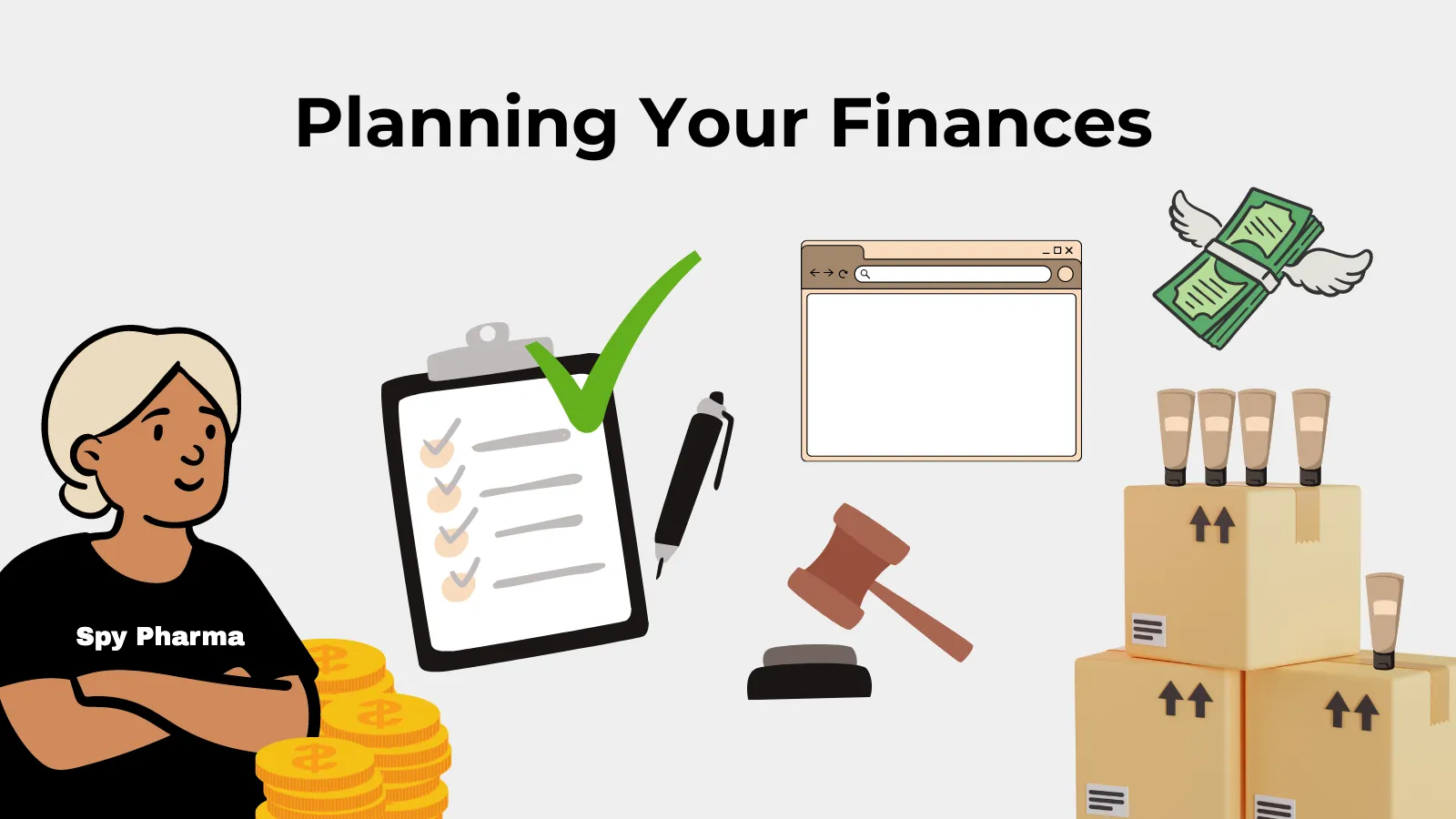
Here’s how to get started.
(If this is not detailed enough, here you’ll find a comprehensive guide about how to start a cosmetic business.)
Identifying Startup Costs
First, let’s break down the initial costs you’ll face when starting your skincare line:
- Incorporation Fees: Registering your business can cost between $50 and $725, depending on your state.
- Brand Development: Creating a professional brand can cost around $1,500 — $5,000, including logo design, packaging design, and marketing materials.
- Product Development (optional): This includes the cost of developing a new formulation and testing. Expect at least $2,500 — $5,000.
- Website Development: Building an e‑commerce website can cost between $40 and $100 per month, depending on the platform you choose.
- Marketing: Allocating a budget for marketing is essential. Plan to spend at least $2,000 to start.
In total, you should be expecting to invest around $9,000 to $10,000 to launch your skincare line.
Managing Operating Expenses
Once your business is up and running, you’ll have ongoing costs to manage.
These include manufacturing costs, which involve regular orders from your manufacturer to maintain inventory.
You’ll also need to budget for ongoing marketing campaigns to promote your products on social media, Google, and other platforms.
Logistics and shipping costs are another significant expense, as you will need to package and ship your products to customers efficiently.
Finally, office and administrative expenses such as rent, utilities, software subscriptions, and salaries if you have a team, will be a regular part of your budget.
Pricing Your Products
Setting the right price for your products is crucial. You need to cover your costs and make a profit, but your prices also need to be competitive.
Start by calculating the cost per unit, which includes the cost of production, packaging, and shipping.
Then, add a markup, which is your profit margin.
A typical markup for skincare products is between 50% and 100%. For example, if it costs you $5 to produce a jar of moisturizer, and you add a 100% markup, you’d sell it for $10.
Finally, check competitor prices to ensure your prices are in line with what customers are willing to pay.
Planning Your Finances
Once your products are ready and your finances are in order, it’s time to think about marketing.
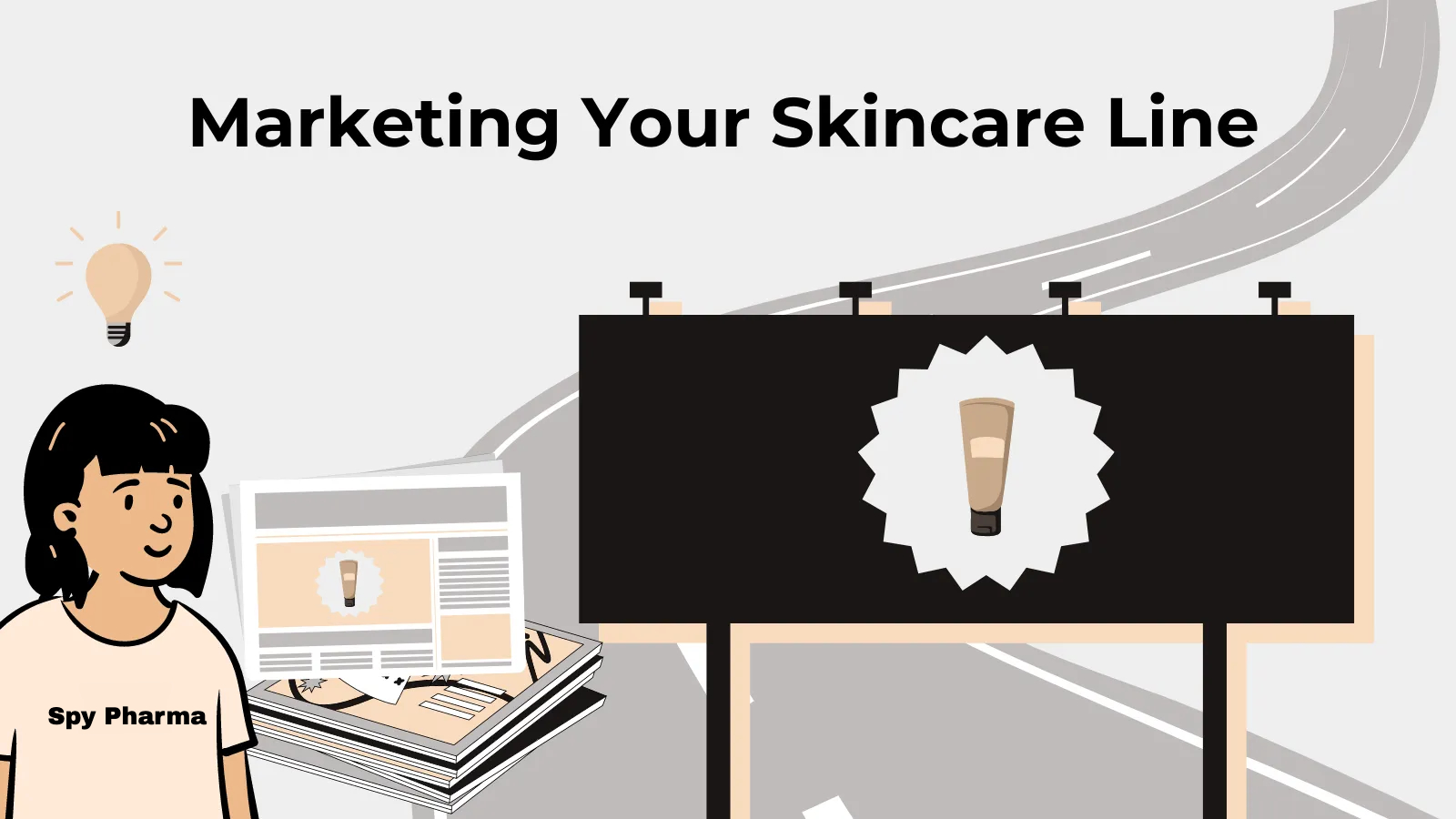
Good marketing helps you reach your target audience and make sales.
Here’s how to create an effective marketing plan for your skincare line.
Building Your Brand
Your brand is more than just your logo or product packaging.
It’s the overall image and feel of your business.
A strong brand tells your story and connects with customers emotionally.
Start by defining your brand’s mission, values, and personality. Make sure these elements are reflected in your logo, packaging, website, and social media profiles.
We’d highly recommand anyone who is not a brand design expert to work with a professional. This initial investment will pay off many times over.
Please don’t make the mistake and try to do it all on your own by using online logo generators and something like this.
We offer an excellent brand development & design package for a special price to all of our customers — starting at just $1500.
Creating a Website
A professional website is essential for selling your products online.
Choose a user-friendly platform like Shopify, Wix, or Squarespace.
Your website should be visually appealing, easy to navigate, and mobile-friendly.
We’d recommand starting with a free or paid template because they were created by professional web designers. You can then just exchange texts, colours and images and are ready to go!
For high-quality images, you can check websites like Unsplash or Pexels.
Leveraging Social Media
Social media is a powerful tool for marketing your skincare line.
Create profiles on platforms like Instagram, Facebook, and TikTok where you can showcase your products and engage with your audience.
Many brands nowadays treat their social media just like their personal profiles. They post behind-the-scenes content and day of a life as a skin care brand owner.
This allows them to connect on a deeper level with their audience than it’d be possible with just posting product photos or customer testimonials.
Use hashtags to reach a wider audience and collaborate with influencers to boost your brand’s visibility. Websites like Inflact help you to find the right ones.
Email Marketing
Building an email list allows you to stay in touch with your customers and keep them informed about new products, promotions, and skincare tips.
Offer a discount or freebie in exchange for signing up to your email list.
Send regular newsletters to keep your audience engaged and encourage repeat purchases.
SEO and Content Marketing
Search Engine Optimization (SEO) helps your website rank higher in search results, making it easier for people to find you.
Use relevant keywords throughout your website and blog to improve your SEO.
Content marketing, like writing blog posts about skincare tips and trends, can attract visitors to your site and establish you as an authority in the industry.
Paid Advertising
Consider investing in paid advertising to reach a larger audience.
Google Ads and social media ads can be very effective.
Start with a small budget and test different ads to see what works best for your brand. Monitor your ad performance and adjust your strategy as needed.
Engaging with Your Community
Building a community around your brand can create loyal customers.
Respond to comments and messages on social media, encourage user-generated content, and create a loyalty program to reward repeat customers.
Hosting giveaways and contests can also boost engagement and attract new followers.
More Useful Guides
![White Label Cosmetics Explained: Pros & Cons in 2025 [+Guide]](https://www.spypharma.com/uploads/blog/white-label-cosmetics-explained.jpg)
White Label Cosmetics Explained: Pros & Cons in 2025 [+Guide]
![Top 17 Cosmetic Manufacturers for Beginners in 2025 [+Guide]](https://www.spypharma.com/uploads/blog/top-17-cosmetics-manufacturers-for-beginnerstop-17-cosmetics-manufacturers-for-beginners.jpg)
Top 17 Cosmetic Manufacturers for Beginners in 2025 [+Guide]
Low MOQ Cosmetic Manufacturers: Be Aware of These Dangers
Ultimate Guide for Vegan Private Label Cosmetics in 2024
![Top 9 Luxury Private Label Cosmetics Manufacturers [+Guide]](https://www.spypharma.com/uploads/blog/luxury-private-label-cosmetics-manufacturers.jpg)
Top 9 Luxury Private Label Cosmetics Manufacturers [+Guide]
![Starting a Lip Gloss Business: A Step-by-Step Guide [2025]](https://www.spypharma.com/uploads/blog/starting-a-lip-gloss-business.jpg)