The right color can be a “brand maker” in the cosmetics industry. That’s why color selection is such an exciting and important step in cosmetics manufacturing.
Of course, it can also be a little overwhelming for brands as they launch new lineups.
Some brands strategize by putting their names on popular, tried-and-true colors. Others break the mold by formulating exclusive colors.
But first things first:
What is Color Cosmetics?
The term “color cosmetics” refers to several categories of makeup and beauty products that either enhance or conceal the skin’s natural pigments by applying color.
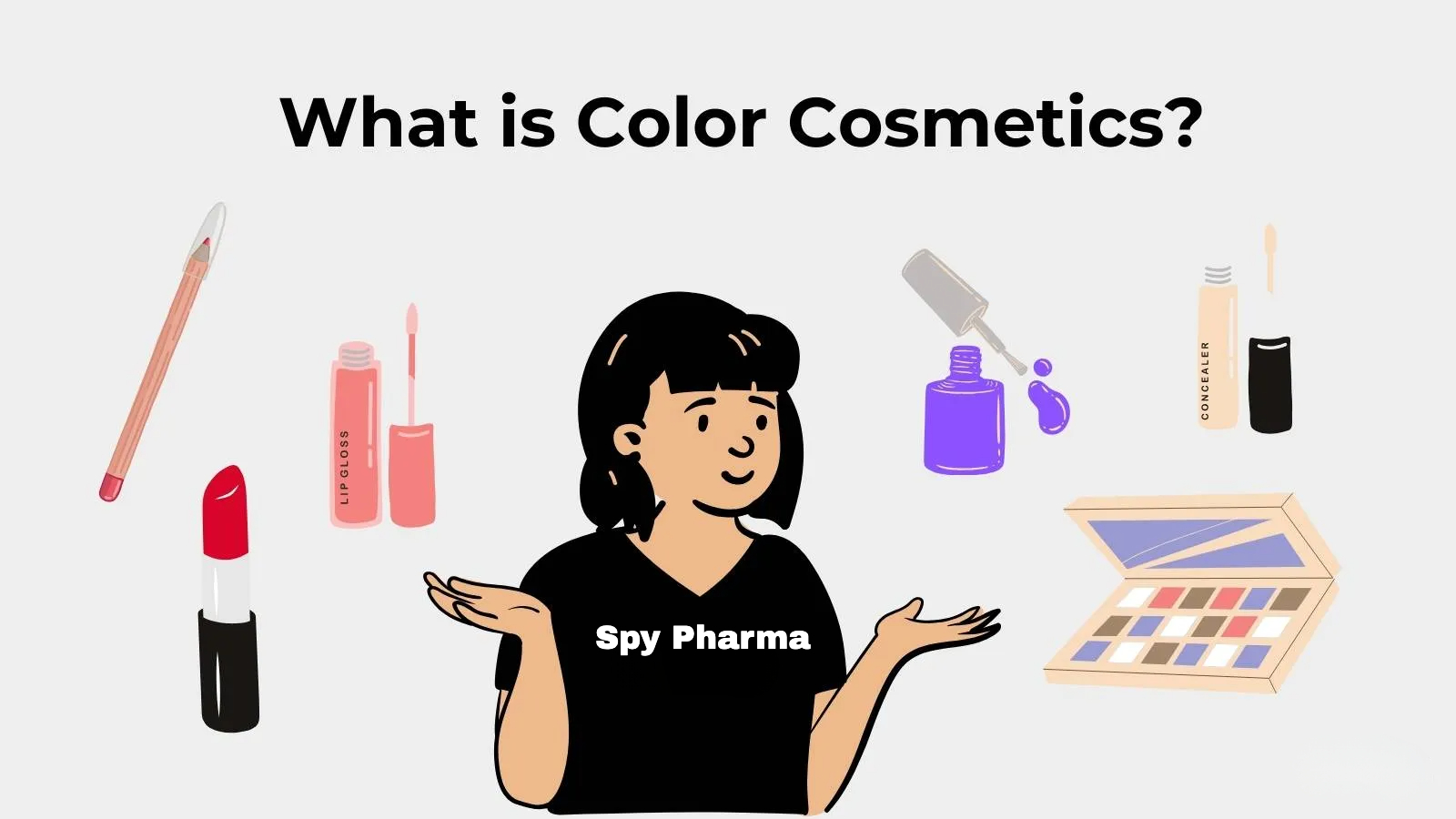
Common consumer categories include:
- Eyeshadow
- Eyeliner
- Blush
- Lipstick
- Lip pencils
- Lip gloss
- Highlighter/contouring creams
- Bronzer sticks
- Nail polish
- Concealer
- Foundation
- Pressed powder
- Tinted moisturizers
- Brow pencils/creams
Color cosmetics can be both neutralizing and “decorative.”
Meanwhile, a bold ruby-red lipstick is designed to stand out. Both require the same amount of diligence even though they show up quite differently on the skin.
Basics of Color Cosmetics
Nobody simply paints their face with primary colors. As anyone who has spent time studying the beauty scene knows, cosmetics offer nuanced colors.
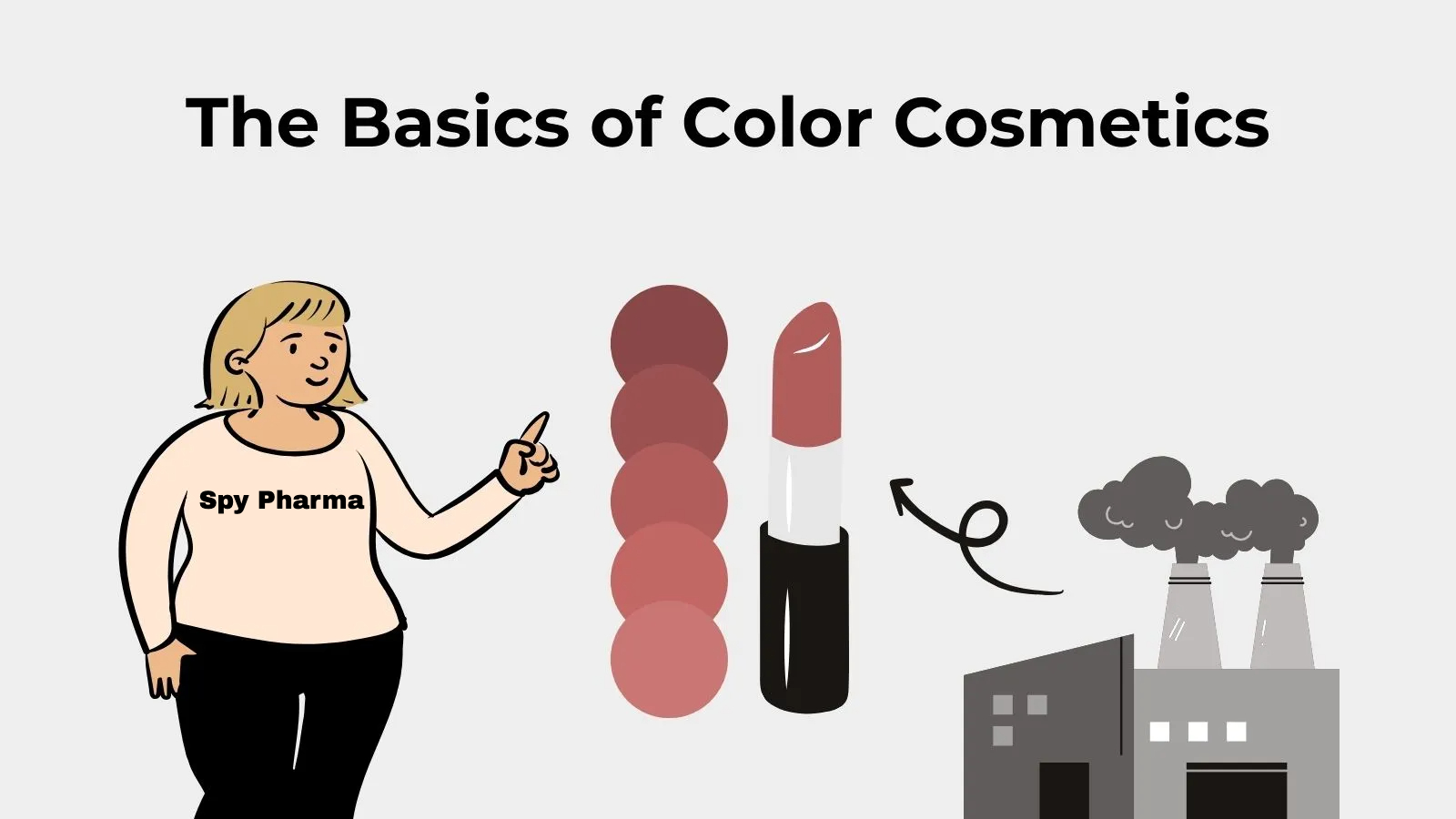
In fact, it’s common for a cosmetics brand to offer up to a dozen shades of a specific color in its lineup.
Here’s a look at the science behind how those colors are made.
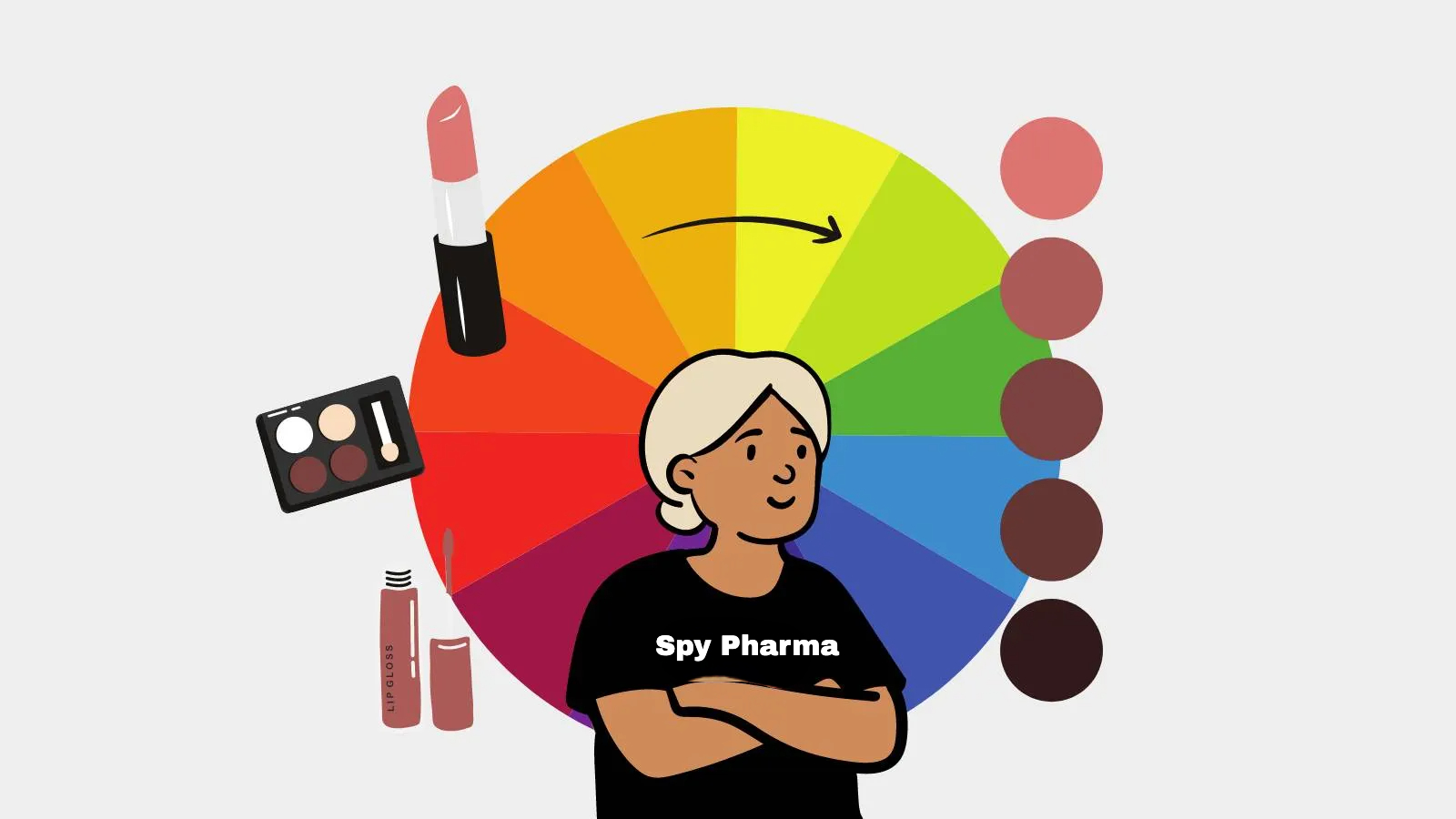
Hue: The True Color of the Pigment
A product’s hue refers to its dominant color family.
When looking at a product, its hue would be the most discernible color you see without taking into account intensity or wavelength.
Hue is easiest to spot in primary (red, yellow, blue) and secondary (orange, green, violet) colors. However, even tertiary colors (red-violet, blue-violet, blue-green, yellow-green, yellow-orange, red-orange) that are created by mixing primary and secondary colors still exhibit hues.
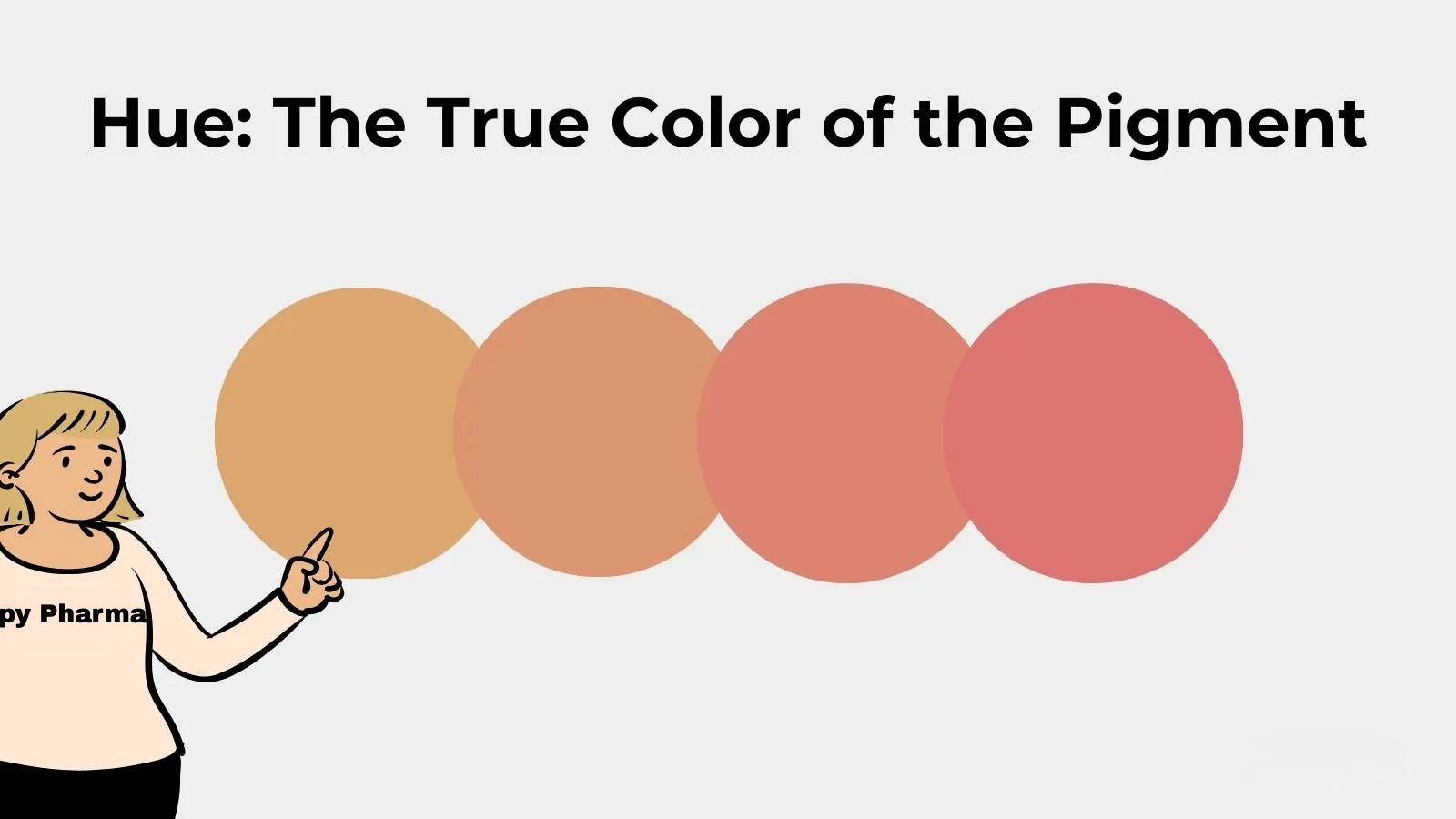
Determining hue is typically the first step in color selection for manufacturing color cosmetics.
From there, brands and formulators can collaborate on creating nuanced colors.
Luminosity: Amount of “White” Added to the Color
Luminosity refers to the measurement of brightness of a cosmetic product.
The popularity of highlighter products that use the way light bounces off the face to accentuate facial contours has really put luminosity at the forefront of the cosmetics industry in recent years.
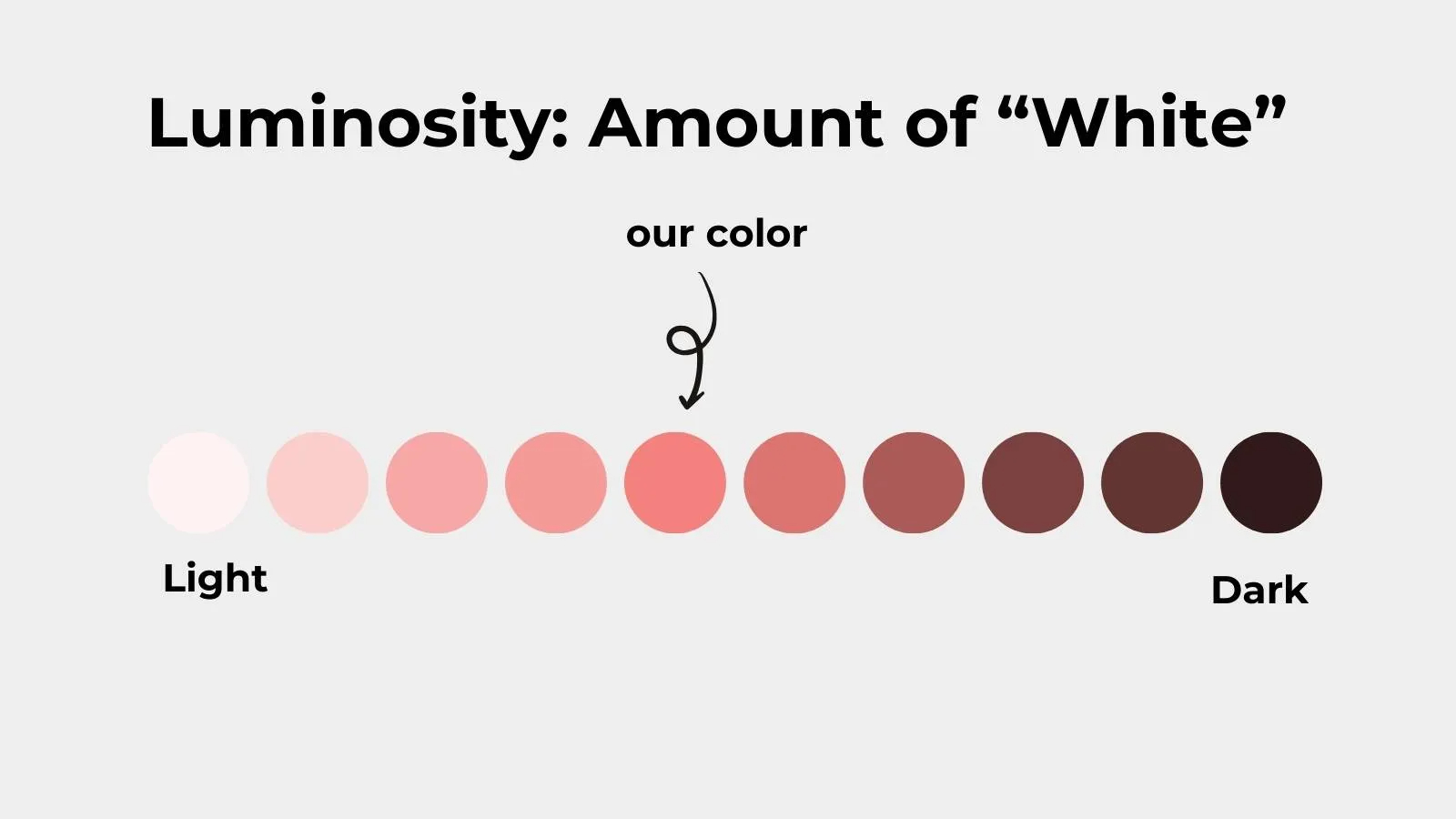
When measuring luminosity, formulators measure the brightness of a color using a scale that goes from white to black.
Saturation: Intensity of the Hue
Saturation refers to a color’s intensity.
High-saturation colors are vivid and strong.
The customer will feel like they are picking up a lot of pigment on their brushes or fingertips when they apply the product.
Low-saturation colors are slightly muted or “watered down.”
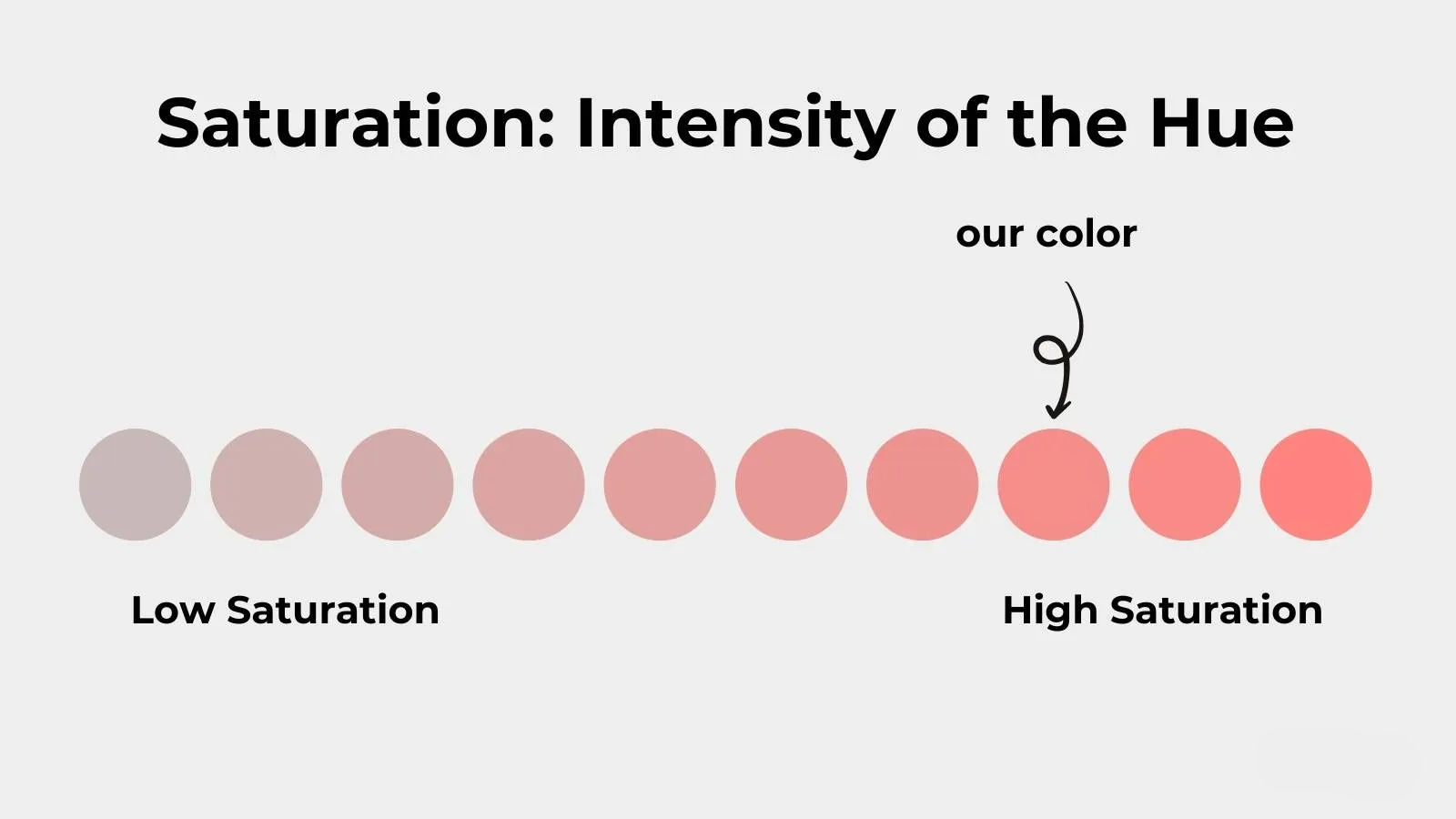
Cosmetic brands tend to tweak saturation based on their intended markets.
A brand that caters to customers looking to create natural looks using makeup would typically focus on low-saturation cosmetics.
Of course, some brands do both. “Daytime” looks offered by many cosmetic brands focus on low-saturation products.
“Evening” or “party” collections tend to have those deeper, more intense color palettes that show up without the need for repeated applications.
Different Types of Color Cosmetics
Hue, luminosity, and saturation aren’t the only factors to consider.
Determining how a product will display on the skin is another important aspect of formulation.
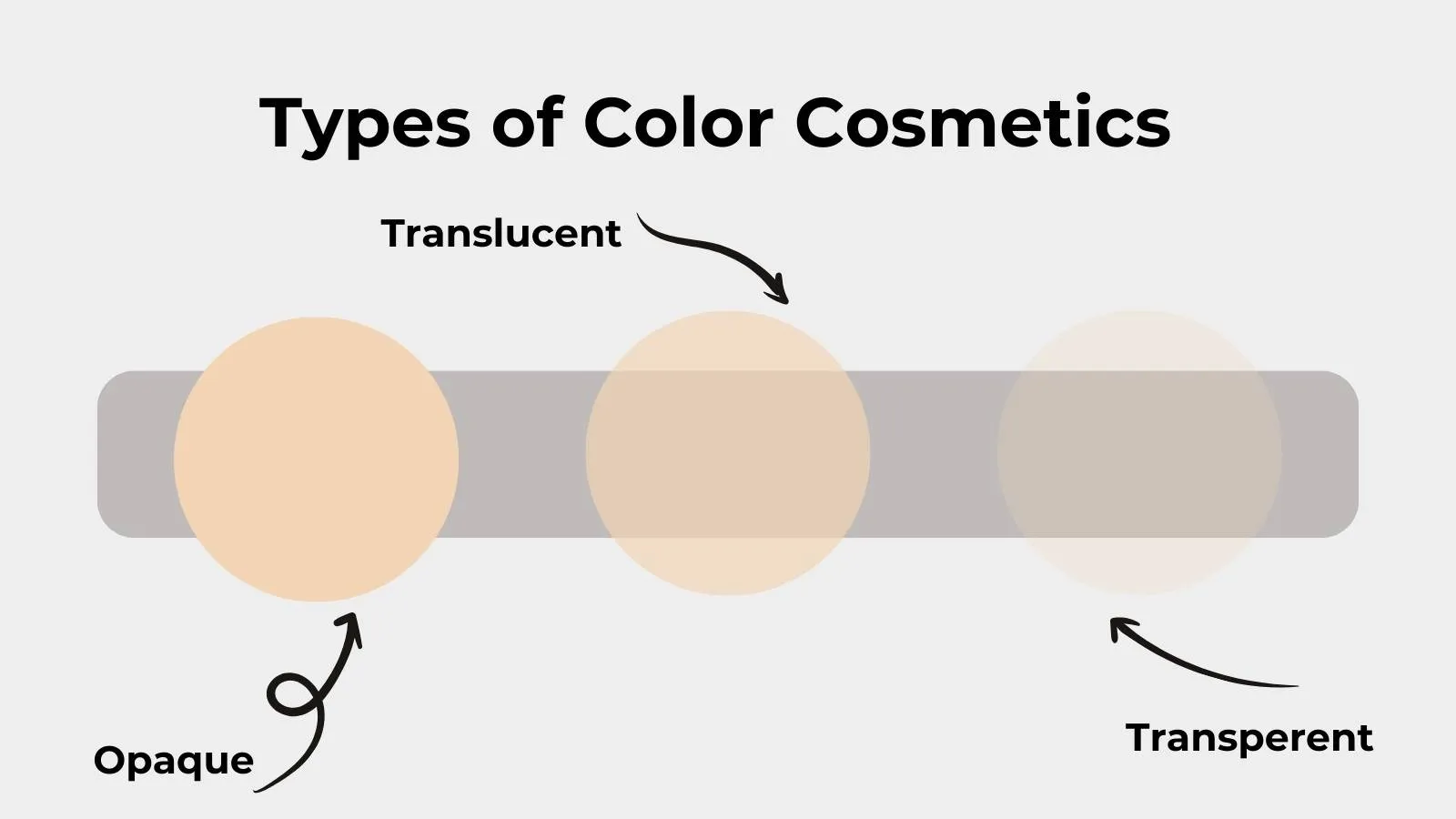
Opaque Color Cosmetics
Opaque colors are solid colors. When a cosmetic product is formulated to be opaque, light cannot travel through it because it isn’t transparent.
Opaque colors are also not translucent. There are many uses for opaque colors in the cosmetics industry.
In many cases, opaque colors are used for “base” products.
Many foundations and primers are opaque. Base-layer eyeshadow colors that are intended to be used with highlighting colors also tend to be opaque.
Translucent Color Cosmetics
Translucent products can be “seen through.” While they don’t “cover up” the skin, they offer brightening and warming effects.
In the realm of color cosmetics, translucent products such as setting powders, highlighters, lip balms, blushes, eyeshadows, BB creams, and tinted moisturizers are particularly popular.
These items are favored for their ability to offer a subtle enhancement, blending seamlessly with the skin to create a natural, understated look that aligns with current beauty trends.
Fully Transparent Cosmetics
Fully transparent cosmetics generally add texture, shine, moisture, or some combination of these benefits.
They can also be used to set or “mattify” cosmetics after application. Think of everything from plumping lip glosses to setting sprays.
Organic vs. Inorganic Pigments in Color Cosmetics
Most cosmetic brands today use a combination of organic and inorganic pigments to add color to their products.

While there is a trend toward natural ingredients in makeup, inorganic colors are often necessary in order to achieve the intensity and staying power needed for makeup to provide the visibility and long-lasting wear time that customers want.
Organic Pigments in Color Cosmetics
Organic pigments are composed of carbon. In general, organic pigments are used when creating earthier hues.
Inorganic Pigments in Color Cosmetics
Inorganic pigments are sourced from natural minerals. They are generally used when creating richer, deeper colors.
3 Tips to Create Your Color Cosmetics Line
Your brand vision is always the guiding light when selecting colors for your cosmetics line.
However, there are some best practices to keep in mind as you cross the finish line in designing your lineup.
1. Ensuring Color Compatibility Across Products
Major cosmetics brands don’t tend to invest in standalone colors.
By focusing on color compatibility across your brand, you can ensure that customers stay within your brand instead of looking elsewhere for matching or complementary colors.
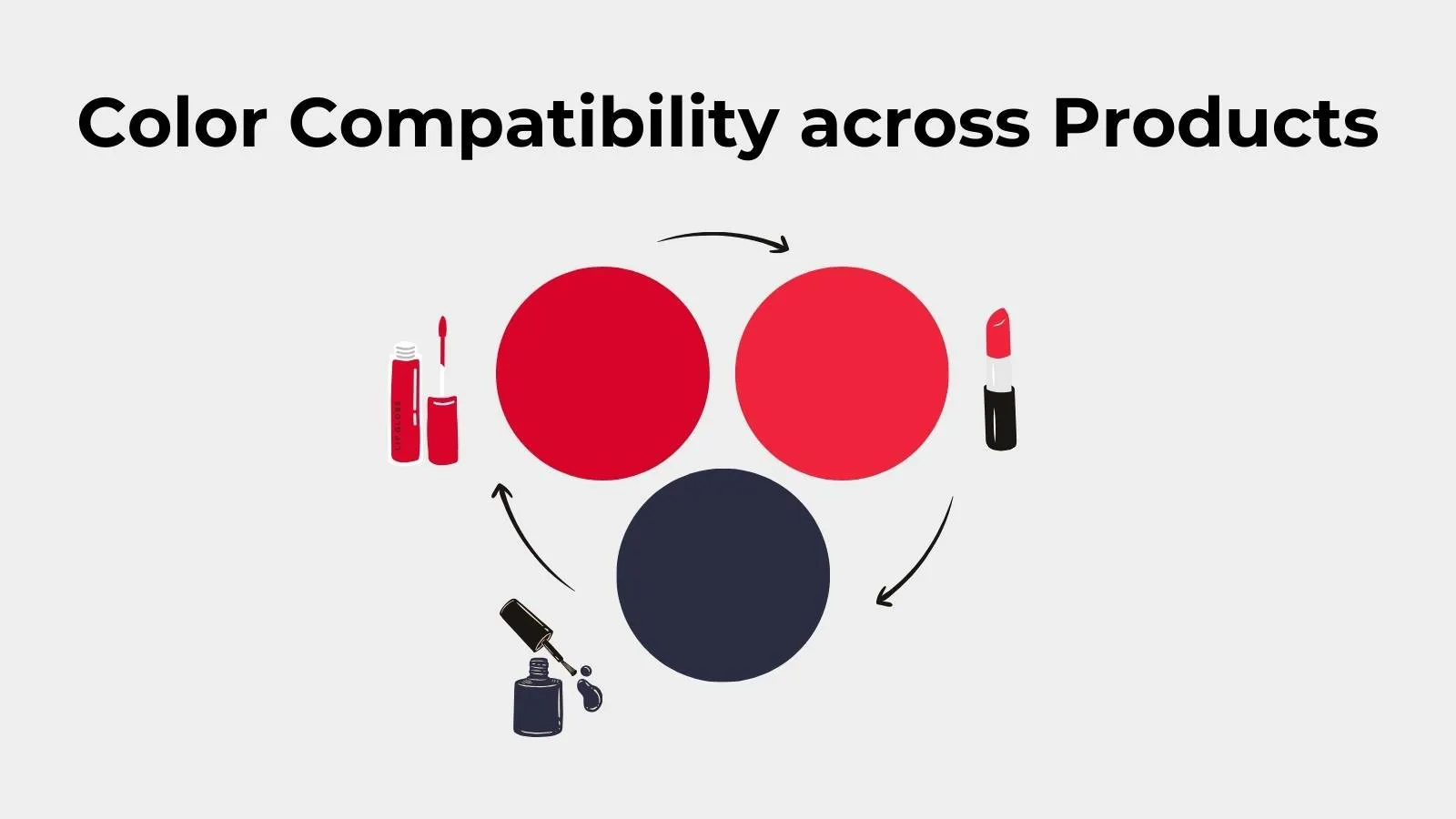
Even just trying to maintain color compatibility within categories is helpful.
With the popularity of lip and eye kits, customers are eager to snatch up “systems” that allow them to put together a perfect look using a small collection of products.
2. Packaging Considerations for Color Visibility
Product packaging and product design is one of the biggest influences on consumer decisions.
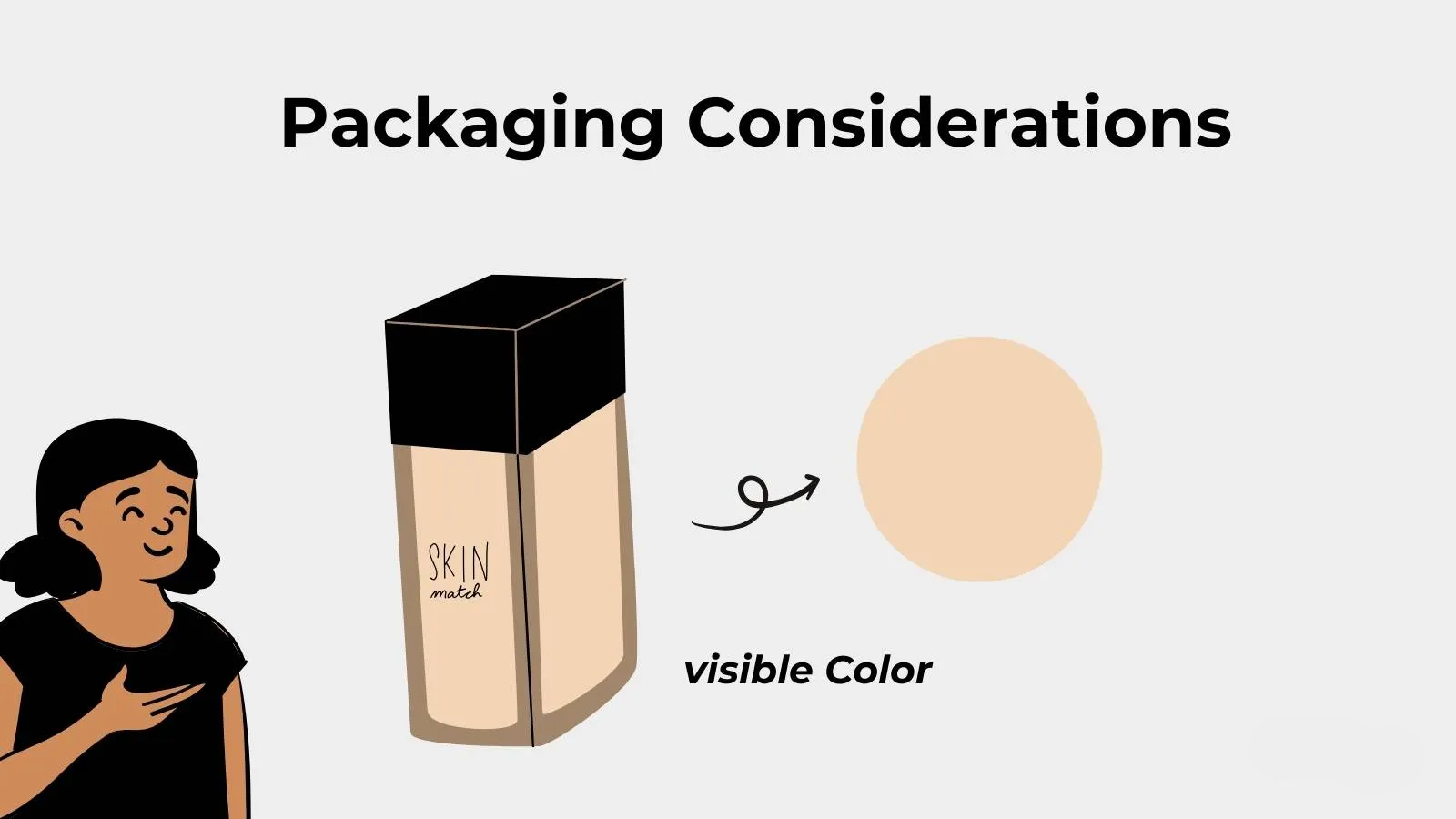
Cosmetics consumers are especially interested in seeing what products look like in real life versus pictures because they are acutely aware of the importance of cosmetic colors!
If you’ll be selling products in retail environments, providing clear packaging actually deters customers from ripping open packaging on the shelves just to get a look.
Consumers also feel like they are getting a look at the quantity when the product’s contents are visible instead of “boxed up.”
Glass and plastic are heavily used in cosmetics packaging because they “reveal” products while ensuring that products remain protected and hygienic.
3. Choose an Existing Color or Create Your Own
Here’s another area where a brand’s vision is the determining factor.
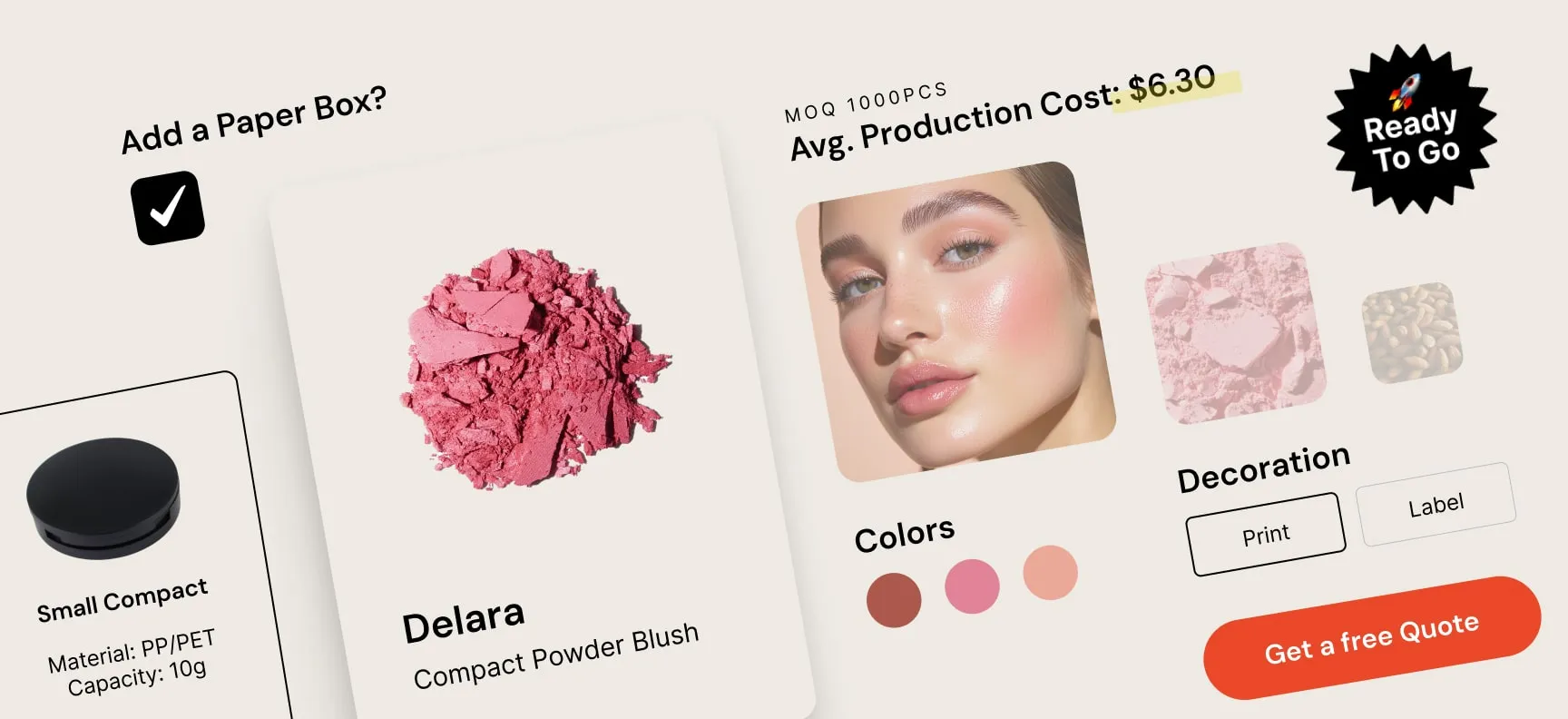
When you bring your product line to life using a private label cosmetics manufacturer, you actually have the option to either put your name on established color formulations or create your own custom colors.

A small fee is usually added to formulation costs if you choose to create your own colors.
However, the process isn’t overly complicated.
Private label cosmetics labs are capable of recreating colors using color matching.
In order to replicate an existing color, they combine pigments, dyes, stabilizers, and other ingredients to achieve the same characteristics.
Minimum Order Quantity for Color Cosmetics
Most important for you might be how to get started.
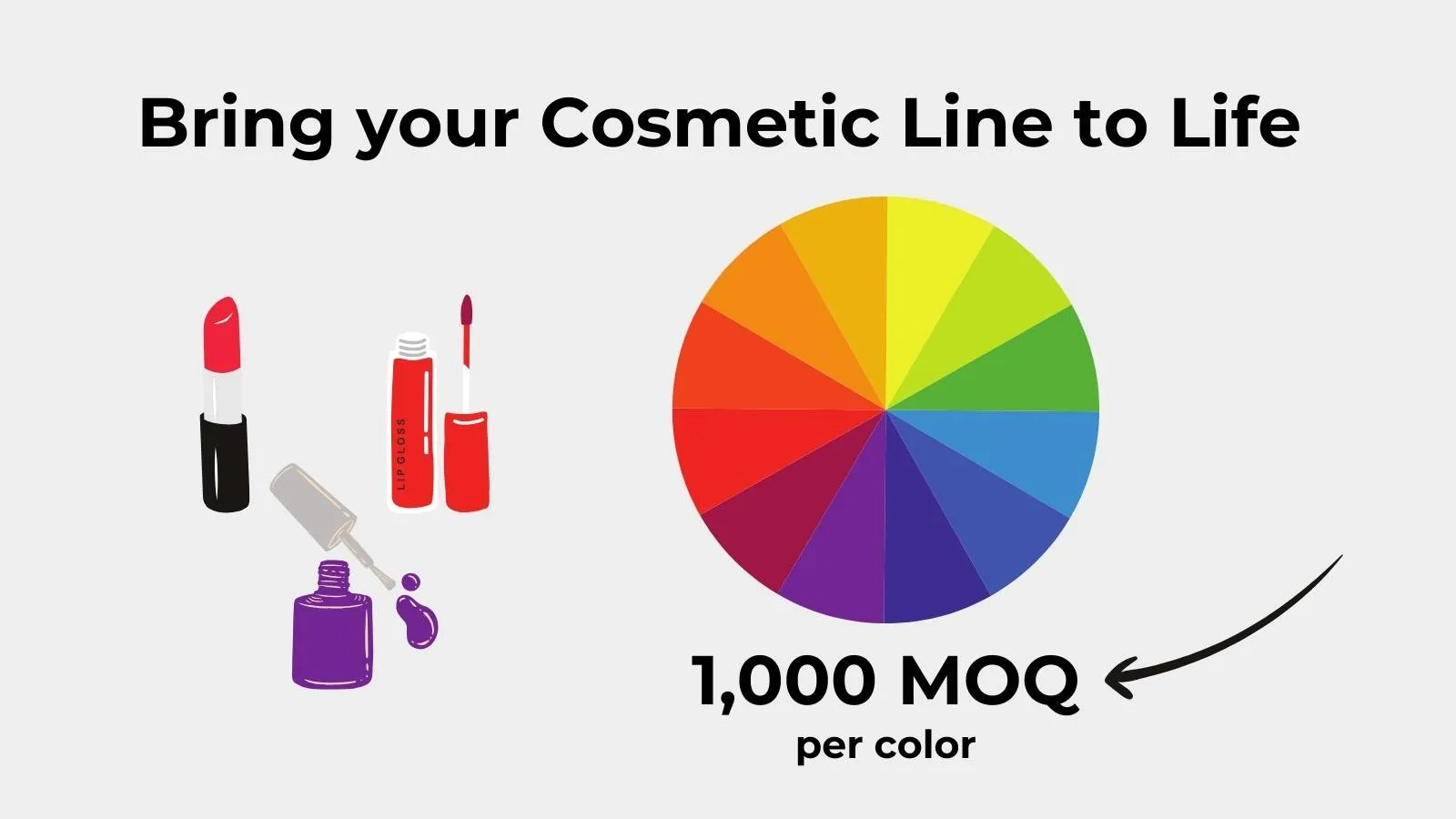
Privare Label Manufacturers: Color Cosmetics MOQ
When you choose to work with a private label cosmetics manufacturer for your color cosmetics line, you never have to feel limited in your color choices.
You’ll have the option to choose from existing best-selling colors or formulate your own signature palettes.
But be aware that the minimum order quantity can increase if you opt for the second option.
White Label Manufacturers: Color Cosmetics MOQ
A white label cosmetics manufacturer usually has much lower minimum purchase quantities. Some manufacturers start at just 50 units.
However, we only recommend this option as a beginner if you want to get a taste of the cosmetics market without any major financial risk.
You can find a detailed overview of the advantages and disadvantages of white label cosmetics here.
More Useful Guides
![White Label Cosmetics Explained: Pros & Cons in 2025 [+Guide]](https://www.spypharma.com/uploads/blog/white-label-cosmetics-explained.jpg)
White Label Cosmetics Explained: Pros & Cons in 2025 [+Guide]
![Top 17 Cosmetic Manufacturers for Beginners in 2025 [+Guide]](https://www.spypharma.com/uploads/blog/top-17-cosmetics-manufacturers-for-beginnerstop-17-cosmetics-manufacturers-for-beginners.jpg)
Top 17 Cosmetic Manufacturers for Beginners in 2025 [+Guide]
Low MOQ Cosmetic Manufacturers: Be Aware of These Dangers

Ultimate Guide for Vegan Private Label Cosmetics in 2024
![Top 9 Luxury Private Label Cosmetics Manufacturers [+Guide]](https://www.spypharma.com/uploads/blog/luxury-private-label-cosmetics-manufacturers.jpg)
Top 9 Luxury Private Label Cosmetics Manufacturers [+Guide]
![Starting a Lip Gloss Business: A Step-by-Step Guide [2025]](https://www.spypharma.com/uploads/blog/starting-a-lip-gloss-business.jpg)