| What you are about to learn | ||
|---|---|---|
| 1 | What Are Barcodes for Cosmetics? | |
| 2 | Types of Barcodes Cosmetic Brands Should Consider | |
| 3 | Do You Need Barcodes to Sell Cosmetics? | |
| 4 | How to Obtain a Barcode for Your Cosmetic Product | |
| 5 | Best Practices for Barcode Placement on Cosmetic Products | |
| 6 | Get Started with Barcodes for Your Cosmetic Brand | |
| 7 | Cosmetic manufacturing has never been easier |
If you’re just starting your cosmetic brand, you might not need barcodes for your cosmetic products right away. When your product line is small, keeping track of stock might seem manageable without them.
However, things change as your business expands. If you plan to grow, sell through retailers, or use third-party warehouses and distributors, barcodes quickly become a must.
They help manage inventory, streamline shipping, and make sure your products are ready for the big retail world. So, while you might not need them on day one, barcodes are crucial if you’re planning for future success.
What Are Barcodes for Cosmetics?
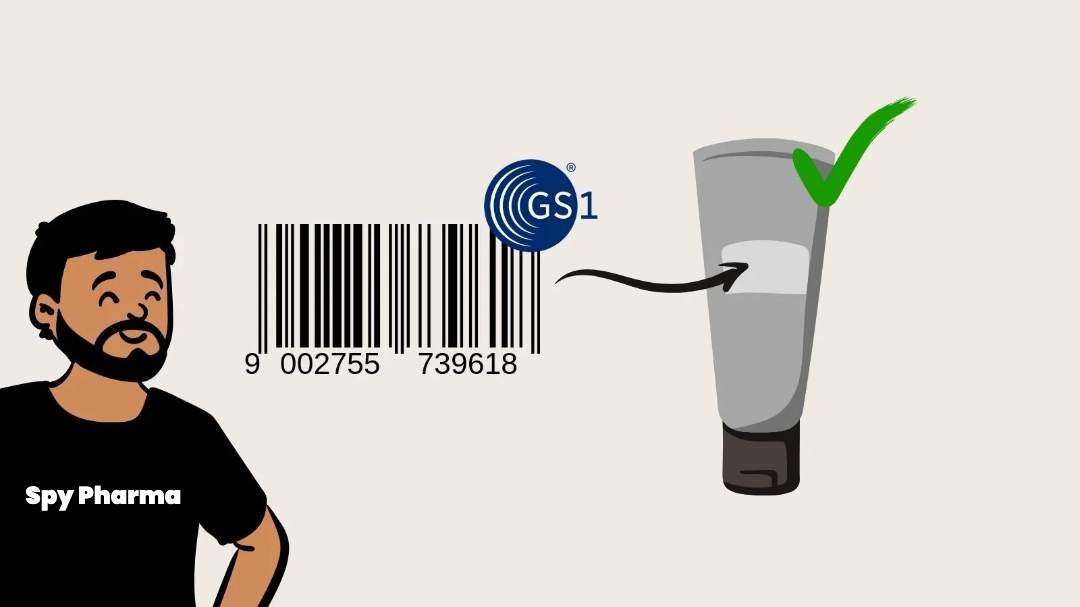
Barcodes are those black-and-white lines with numbers underneath that you see on almost every product. When scanned, they help businesses quickly identify the product and access information like its unique ID, price, and other details.
There’s no difference between barcodes for cosmetic products and any other type of product. The same standard barcodes used across industries, whether it’s for a lipstick, a TV, or even a box of cereal.
The Three Main Parts of a Barcode
- Quiet Zone: This is the blank space before and after the actual barcode lines. It’s crucial because it tells the scanner where the barcode begins and ends. Without this quiet zone, the scanner might not read the barcode correctly.
- Data Characters (or Bars): The black bars and white spaces you see are just a scanner-readable version of the numbers below. Each bar or space corresponds directly to a number or letter.
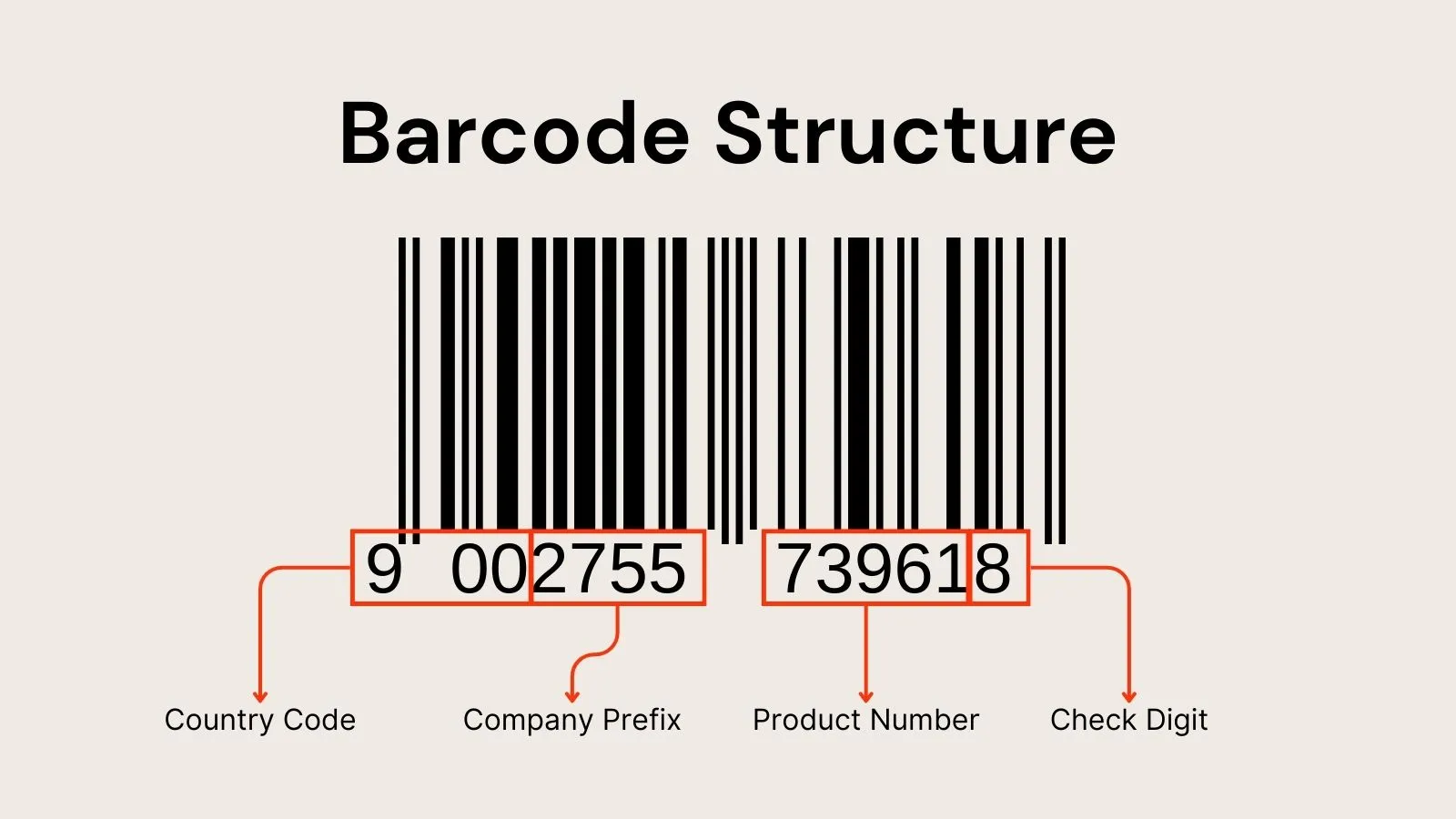
- Number Structure: The numbers below the barcode are not random and can be divided into specific parts:
- Country Code (EAN only): For EAN barcodes, the first 2 or 3 digits represent the country or region where the barcode was registered. Here’s a full list of there country codes. For UPC barcodes, there is no country code (in the next section you’ll learn the difference of EAN and UPC barcodes).
- Company Prefix: The next set of numbers identifies the manufacturer or brand owner. This part of the barcode is unique to your business and allows your products to be tracked back to you.
- Product Code: The next set of numbers is the product identifier. This code is unique to each product you sell, allowing every product variation (like different shades or sizes) to have its own barcode.
- Check Digit: The final number is the check digit, which ensures that the barcode was scanned correctly. It’s a mathematical validation to confirm that the rest of the numbers were read properly.
Types of Barcodes Cosmetic Brands Should Consider
Not all barcodes are the same, and choosing the right one for your cosmetic products depends on where and how you plan to sell them. Whether you’re focusing on online sales or aiming to get your products into retail stores, the type of barcode you use is important.
UPC vs. EAN: Which Barcode Is Right for Your Brand?
There are two main types of barcodes you’ll come across: UPC (Universal Product Code) and EAN (European Article Number).
- UPC (Universal Product Code): This is the most common barcode type used in the United States and Canada. If you plan to sell your cosmetics in physical retail stores like Walmart or Target, you’ll most likely need a UPC barcode. It’s the go-to for most big retailers.
- EAN (European Article Number): This barcode is similar to the UPC but is used more internationally, especially in Europe. If you’re focusing on selling cosmetics online or expanding your reach to global markets, the EAN barcode might be a better fit.
What If You’re Selling Online?
If you’re mainly selling through online platforms like Amazon or your own website, both UPC and EAN barcodes will work. However, make sure to check the specific requirements of each platform. For example, Amazon requires products to have a registered barcode (usually from GS1) to be listed in their catalog.
Do You Need Barcodes to Sell Cosmetics?
Barcodes might not be required for every single cosmetic product, especially when you’re just starting out. But as your business grows and you aim to reach bigger markets, they become pretty essential.
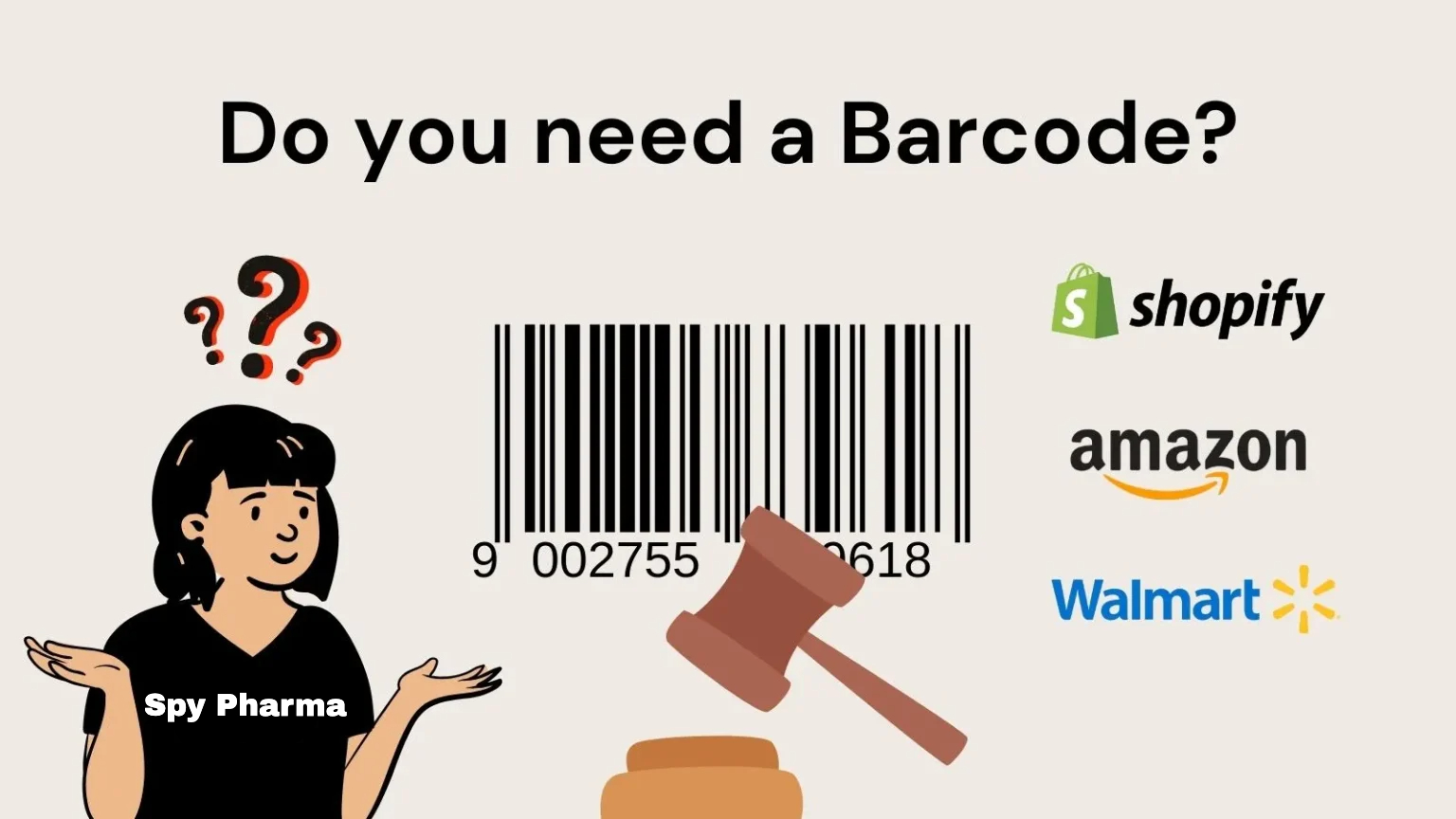
Let’s break down when you do and don’t need barcodes for your products.
When You Don’t Need Barcodes
If you’re a small or even mid-sized business selling cosmetics directly through your own website, at local fairs, or pop-up events, you might not need barcodes right away.
When you’re managing inventory on a small scale, you can often track stock manually or with basic tools, especially if you’re not working with large retailers or third-party warehouses. Even local boutiques or smaller shops may not require barcodes since they might use their own inventory systems.
In these cases, barcodes don’t really add much value.
When You Absolutely Need Barcodes
However, things change when you start aiming for bigger opportunities. If you want to sell on platforms like Amazon, Walmart, or in major retail stores, barcodes are non-negotiable. These companies use barcodes for their entire inventory management and checkout systems.
Without a barcode, your product can’t be scanned, tracked, or even listed on their systems.
You’ll need a barcode if you want to:
- Sell on Amazon, Target, CVS, Walmart, or similar platforms.
- Get your products into large retail chains or even smaller stores that use inventory management systems.
- Work with third-party distributors or logistics companies to manage your stock and shipments.
Why It’s Smart to Get Barcodes Early
Even if you’re a small brand right now, it’s smart to think ahead. Getting barcodes early can make things easier when you’re ready to scale. By setting up your barcode system now, you’re preparing your business for future growth. Plus, if you decide to work with wholesalers or fulfillment centers, having barcodes in place will streamline the process.
So, while you technically don’t need barcodes from day one, getting them early helps set the foundation for bigger opportunities down the line.
How to Obtain a Barcode for Your Cosmetic Product
Getting a barcode for your cosmetic product might seem overwhelming at first, but it’s actually a simple process once you understand the steps.
The most reliable way to obtain barcodes is through GS1, the global organization responsible for managing barcode standards.
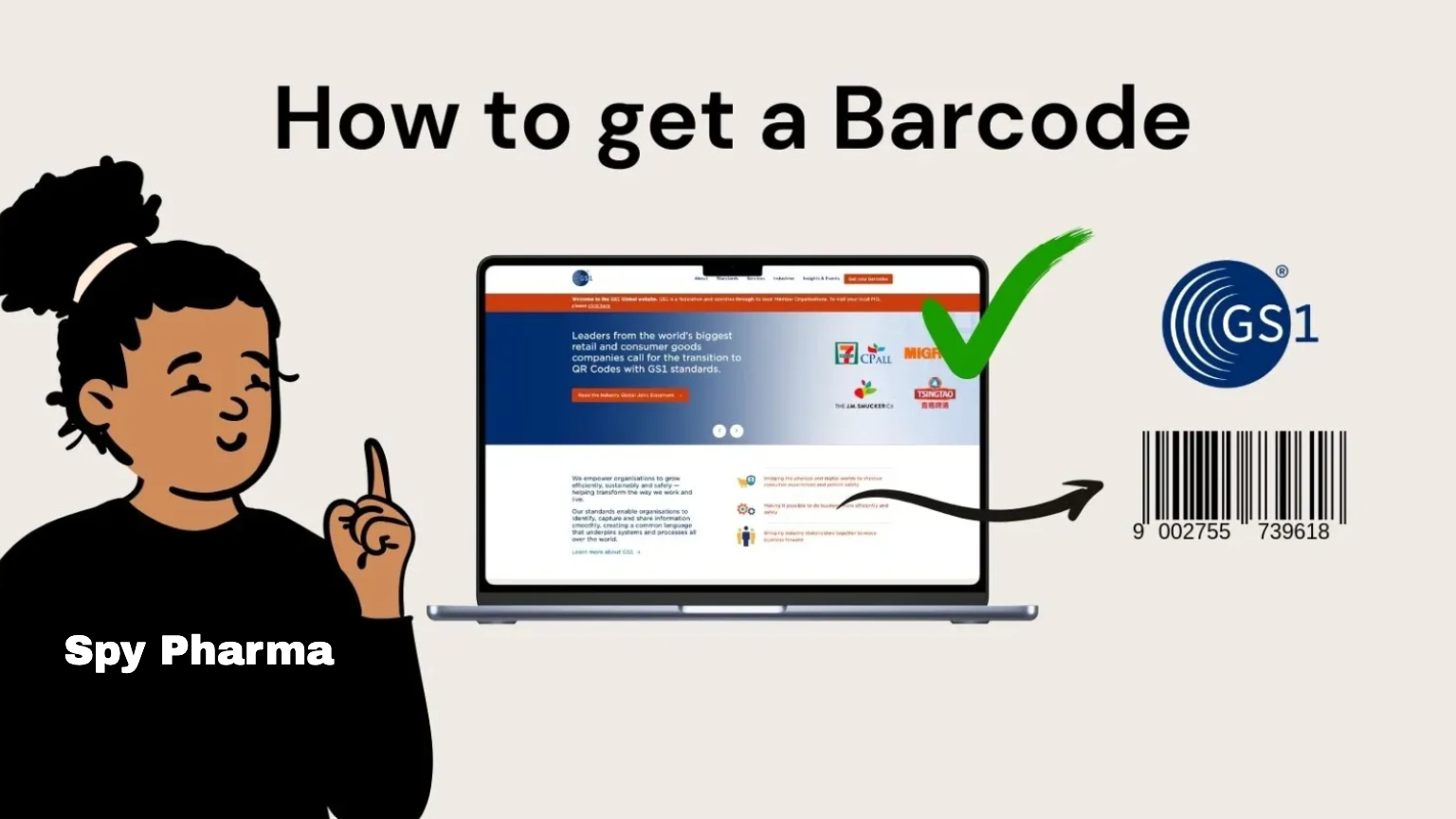
Here’s a step-by-step guide on how to get started.
Step 1: Register with GS1
The first step is to register with GS1, the organization that issues unique barcodes recognized by retailers and platforms worldwide. When you register, you’ll receive a company prefix, which is a unique number assigned to your business. This prefix will be part of every barcode you create, ensuring that all your products are linked to your brand.
- Go to the GS1 website and sign up for a membership.
- Fill out the required information about your business.
- Once registered, you’ll receive your unique company prefix.
Step 2: Assign a Product Identification Number (GTIN)
After getting your company prefix, the next step is to create a Global Trade Item Number (GTIN) for each of your products. A GTIN is the number that identifies each unique product in your lineup. For example, each shade of lipstick or each size of a skincare product will need its own GTIN. This ensures that no two products are confused in inventory systems or at checkout.
Step 3: Choose the Right Barcode Format
Now that you have your GTINs, it’s time to choose the right type of barcode. Most cosmetic brands use either UPC or EAN barcodes, depending on where the product is sold. If you’re selling primarily in the U.S., you’ll likely need a UPC barcode. If you’re planning to sell internationally, an EAN barcode might be a better fit.
- UPC: Commonly used in the U.S. and Canada.
- EAN: Used internationally, especially in Europe.
Step 4: Create Barcode and Add it to Your Design
Once you have your GTINs and have chosen the right barcode format, it’s time to generate the actual barcode image. You can use GS1’s tools or barcode generator software to create the barcode that matches your GTIN. Save it as a Vector file (svg, eps) and add it to your design.
In the next section, you will learn what you should pay attention to when adding it to your design.
Step 5: Test Your Barcode
Before you start production, it’s important to test your barcode to make sure it’s readable, even if you don’t have access to a barcode scanner. One option is to use free barcode scanner apps available on most smartphones.
These apps can help you check if the barcode can be scanned properly. While not as precise as professional scanners, they give you a good sense of whether your barcode will work.
Here are some more things you can do:
- Print out your barcode and check if it’s clear and easy to read.
- Try scanning the barcode in different lighting conditions and from different angles using the app.
Best Practices for Barcode Placement on Cosmetic Products
Once you’ve got your barcode, the next step is making sure it’s placed correctly on your product. A barcode that’s hard to scan or poorly placed can cause delays at checkout or problems with inventory tracking.
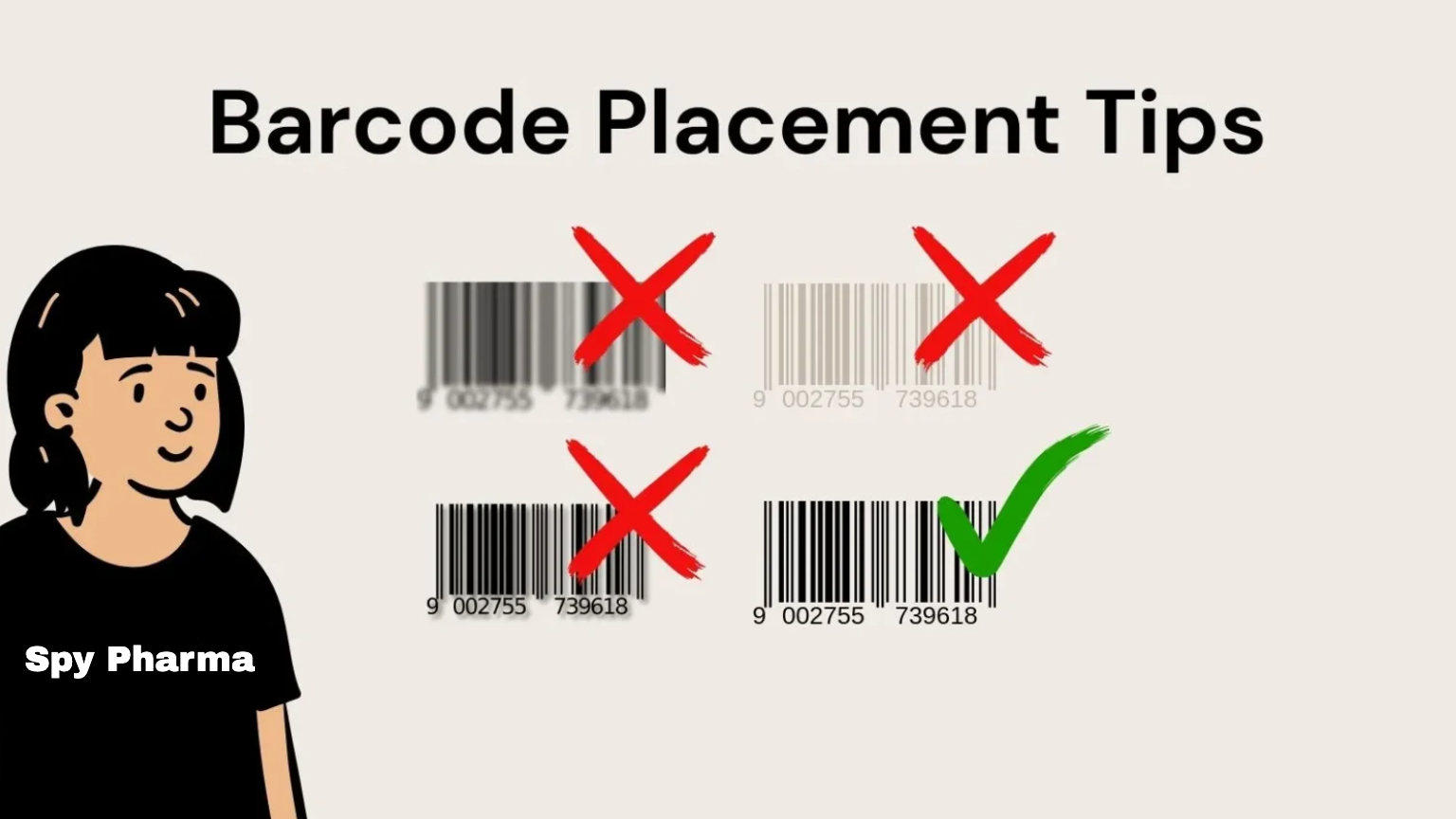
Here’s how to make sure your barcode placement and design are spot on.
Where to Place the Barcode
The placement of your barcode depends on the size and shape of your product. For cosmetics, packaging can vary a lot—small lipsticks, larger skincare bottles, and everything in between. No matter what, your barcode needs to be easy to find and scan.
- Back or Bottom of the Package: For most products, the back or bottom is the best spot for the barcode. This keeps it out of the way of branding and product information, but still easily accessible.
- Avoid the Front: Might be a no-brainer but don’t place the barcode on the front of your packaging where it could distract from your branding or the product’s look.
- Flat Surfaces: Always try to place the barcode on a flat surface. Curved surfaces, like the side of a bottle, can distort the barcode and make it harder to scan.
Barcode Size and Readability
Barcodes need to be the right size to scan properly. If they’re too small, the scanner may not be able to read them. If they’re too large, they can take up too much space on your packaging.
- UPC Standard Size: The standard size for a UPC barcode is about 1.46 inches (37 mm) wide and 1.02 inches (26 mm) tall.
- EAN Standard Size: A EAN barcode is about 1.49 inches (38 mm) wide and 0.98 inches (25 mm) tall.
But you can scale them down for smaller packaging. However, don’t make it too small—most barcode scanners need at least 80% of the standard size to read it properly.
Color Contrast
Lack in contrast is a very common mistake.
Make sure there’s high contrast between the barcode and the background. Black lines on a white or light-colored background work best. Avoid printing barcodes over patterns, bright colors, or reflective materials that can interfere with scanning.
Here’s a free online tool to check the contrast of two colors. Make sure you are in the green area.
Barcodes for Small Cosmetic Items
When it comes to smaller cosmetic products like lipsticks, eyeliners, or sample-sized items, fitting a barcode onto the product can be tricky. These products have limited space, but they still need a barcode to be properly tracked and sold.
The regulatory body GS1 defines the minimum size of an EAN 13 symbol at 80% of its nominal size, what is a minimum width of 25.08 mm for a height of 18.29 mm.
If there’s not enough space on the product itself or you want to avoid placing it there for aesthetic reasons, consider a secondary packaging like a folding box. This usually provides enough space for a barcode and some other information, while it doesn’t look overcrowded.
More Useful Guides
![White Label Cosmetics Explained: Pros & Cons in 2025 [+Guide]](https://www.spypharma.com/uploads/blog/white-label-cosmetics-explained.jpg)
White Label Cosmetics Explained: Pros & Cons in 2025 [+Guide]
![Top 17 Cosmetic Manufacturers for Beginners in 2025 [+Guide]](https://www.spypharma.com/uploads/blog/top-17-cosmetics-manufacturers-for-beginnerstop-17-cosmetics-manufacturers-for-beginners.jpg)
Top 17 Cosmetic Manufacturers for Beginners in 2025 [+Guide]
Low MOQ Cosmetic Manufacturers: Be Aware of These Dangers

Ultimate Guide for Vegan Private Label Cosmetics in 2024
![Top 9 Luxury Private Label Cosmetics Manufacturers [+Guide]](https://www.spypharma.com/uploads/blog/luxury-private-label-cosmetics-manufacturers.jpg)
Top 9 Luxury Private Label Cosmetics Manufacturers [+Guide]
![Starting a Lip Gloss Business: A Step-by-Step Guide [2025]](https://www.spypharma.com/uploads/blog/starting-a-lip-gloss-business.jpg)